
IAMMETER WEM3080 vs Shelly Pro EM-50
A focused comparison for single-phase solar and circuit monitoring with local integration options.
IAMMETER WEM3080
Shelly Pro EM-50
Compare meters, solar inverters, batteries, EV chargers, and monitoring apps with practical data and plain-English advice—before you buy, install, or rewire anything.
These editor-picked pages are the fastest route from "I keep seeing these names" to a real decision about local data, ecosystem fit, installation style, and long-term usefulness.
A focused comparison for single-phase solar and circuit monitoring with local integration options.
A three-way comparison for three-phase monitoring, local data access, and installer-led metering.
A family comparison of IAMMETER Wi-Fi energy meters for single-phase, split-phase, and three-phase monitoring.
Compare Shelly EM vs Shelly EM Gen3 vs Shelly Pro EM-50 side by side before you commit to a monitoring path or product ecosystem.
Compare Shelly 3EM-63T Gen3 vs Shelly Pro 3EM 120A side by side before you commit to a monitoring path or product ecosystem.
A simple comparison between reading an existing smart meter and adding a DIN-rail kWh meter.
Use these when you want the baseline before comparing hardware, platforms, or bill-saving options.
A practical guide to EnergyMeterHub's online tools so you can pick the right calculator or selector for EV charging, batteries, tariffs, solar, and smart meters.
A practical guide to the best smart energy meters for solar homes in 2026, including Home Assistant, import/export tracking, and when IAMMETER or Shelly makes more sense.
Recent work from the guide library, with enough context to help you interpret product specs, data access claims, and solar upgrade trade-offs.

A practical Australian guide to choosing between ducted and split-system air conditioning using room use, zoning, duct losses, seasonal efficiency, installation design, tariffs and real energy monitoring.
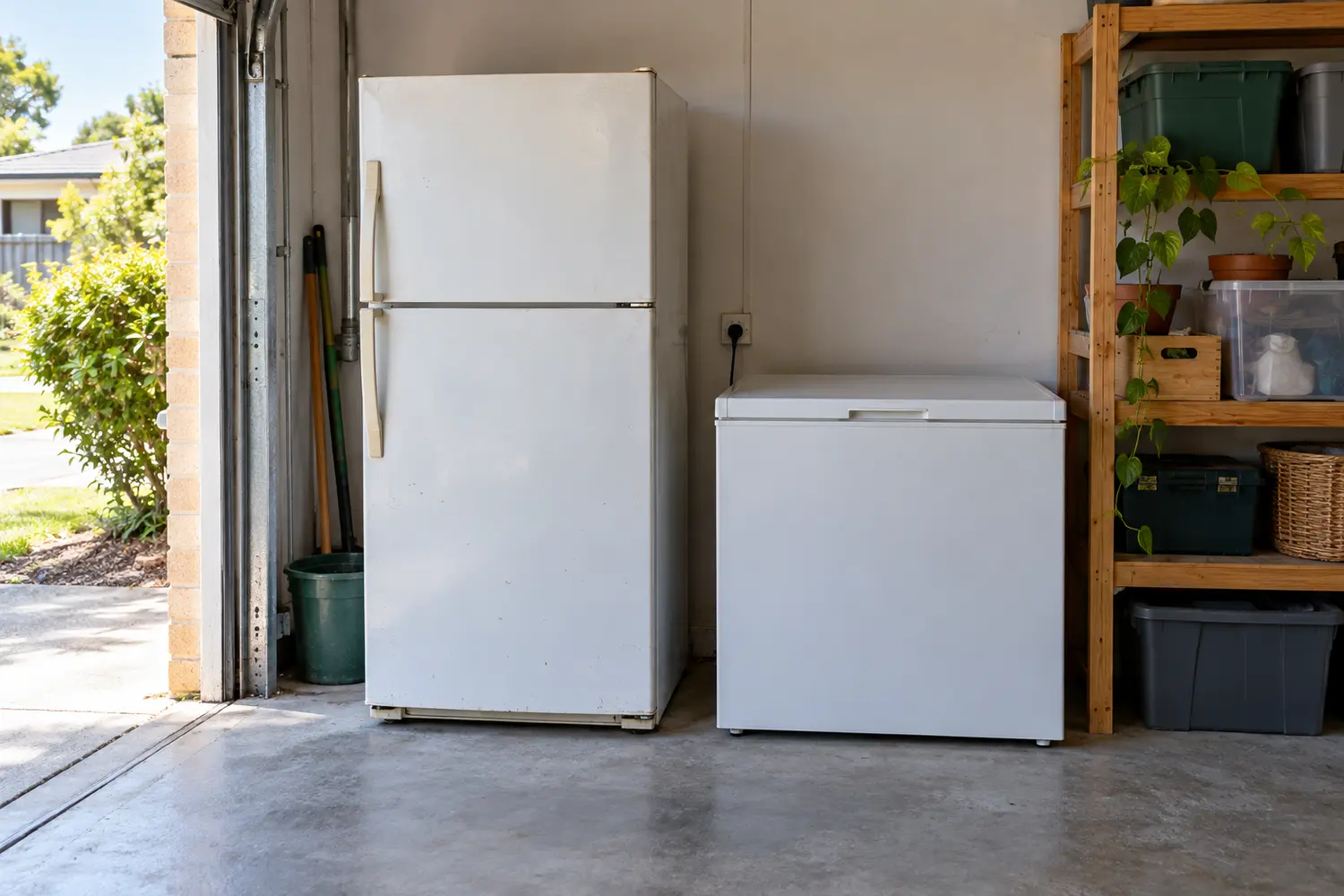
A practical Australian guide to comparing a second fridge, garage fridge and chest freezer using annual kWh, real measurements, storage needs, ambient conditions, maintenance and total ownership cost.

A practical Australian guide to deciding whether to switch electricity plans using annual usage, smart-meter intervals, tariff structure, solar exports, controlled loads, fees and a 20-minute comparison workflow.
Use the wider guide library when you need more context than a product page can give you: decision trade-offs, setup fit, and where the marketing story breaks down once you look at everyday usage.

A practical Australian guide to lowering summer electricity costs through shading, ventilation, fans, efficient air-conditioner settings, room zoning, load scheduling and smart-meter verification.

A practical guide to checking whether an EV charger, air conditioner and electric oven can run together, with capacity checks, load-management options, worked examples and post-install monitoring steps.
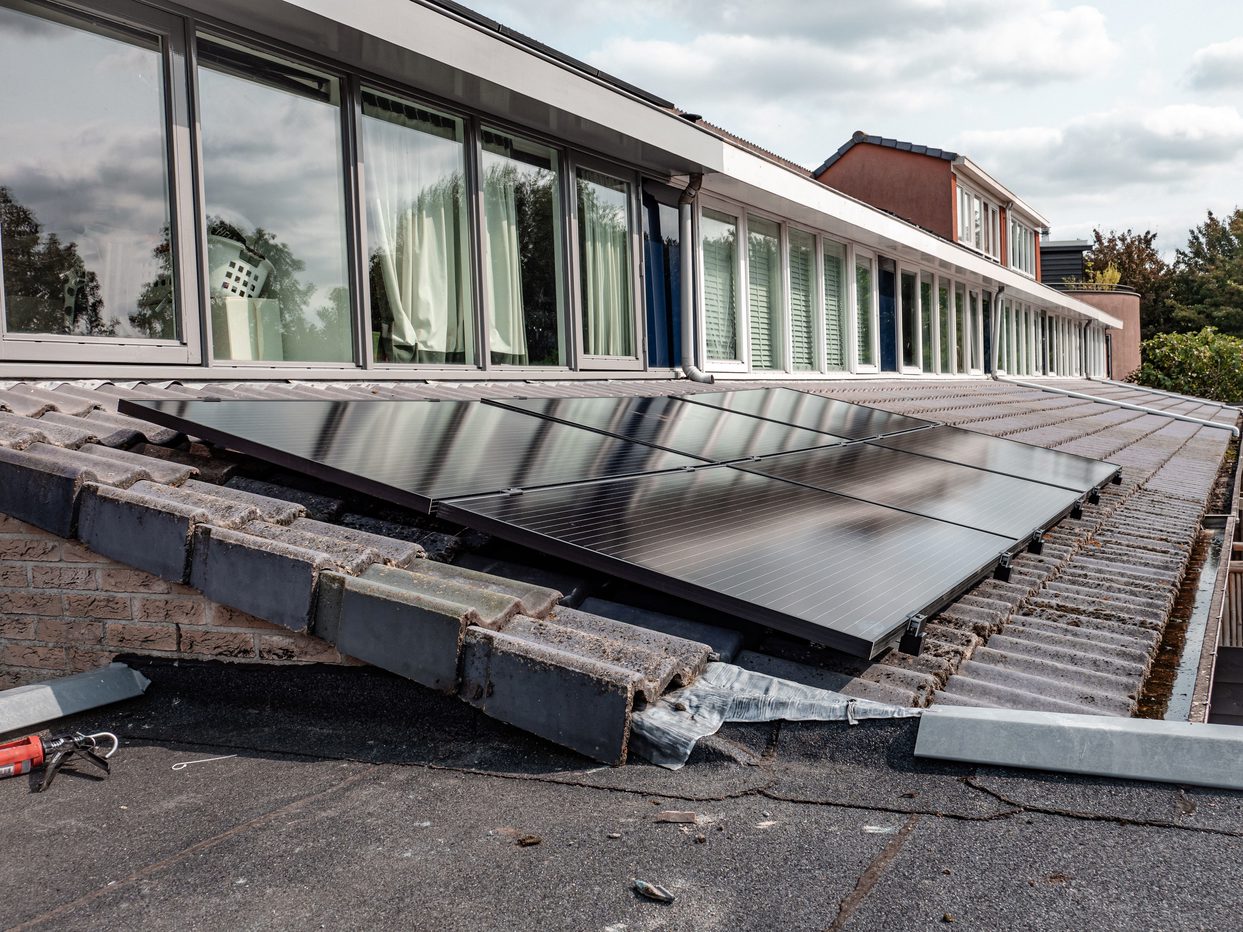
A measurement-first guide to deciding whether solar, a home battery, a heat pump or better insulation should be your next upgrade, with practical sequencing, scoring and quote checks.
The tools section is where broad questions become something you can act on: a narrower shortlist, a clearer compatibility check, or a better sense of what category to compare next.
These calculators answer the high-frequency homeowner questions first. Use the guided tools below when the harder part is choosing hardware or compatibility.
Check whether your current cheap-rate or solar charging window is already enough before paying for more charger power.
Turn evening usage and backup goals into a practical starting battery size band before comparing brands.
Rank the best first use for surplus daytime solar instead of assuming every exported kWh should go to a battery.
Work out whether flat rate or time-of-use is more likely to match the way your home actually imports electricity.
Shortlist the kind of meter that fits your home, solar plans, and appetite for local data.
Work out whether you need a basic charger, solar-aware charging, or more serious load balancing.
Check whether a device and platform look like a sensible fit before you buy into an ecosystem.
Choose between vendor apps, local gateways, and broader monitoring platforms without needing protocol expertise first.
Device pages stay focused on buying and ownership reality: what data the product exposes, whether it plays well with Home Assistant or local monitoring, and whether the setup effort matches the value.
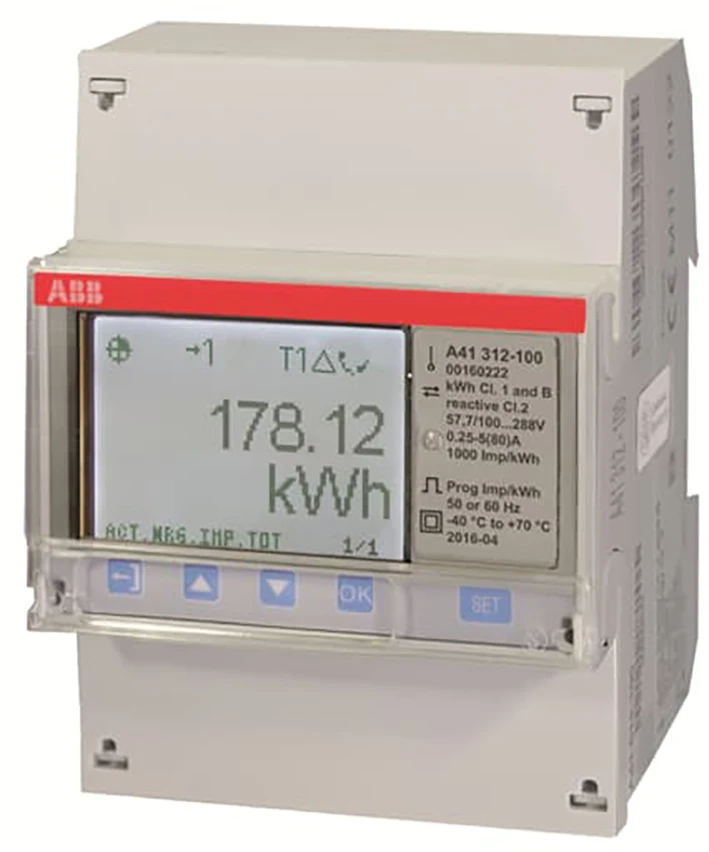
Single-phase 80 A direct-connected DIN-rail energy meter with MID Class B accuracy, import/export registers, multi-tariff support, and local RS-485 Modbus RTU.
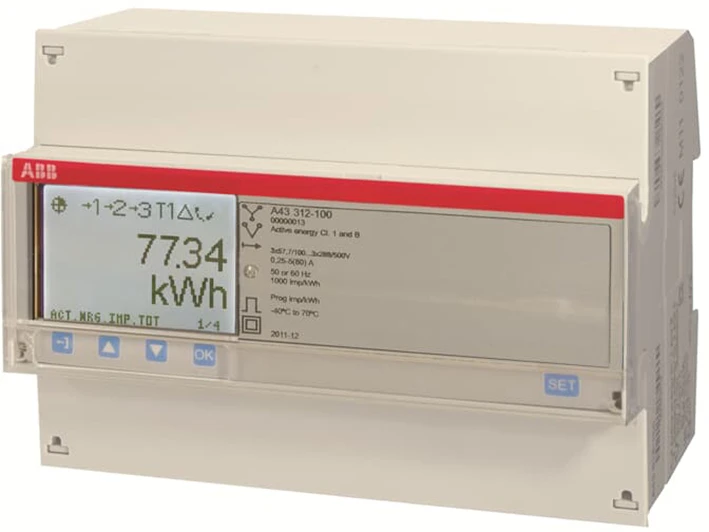
A professional three-phase DIN-rail meter for direct circuits up to 80 A, combining MID Class B metering, separate import/export registers, multi-tariff support, and local Modbus access for commercial, industrial, solar, and sub-metering projects.
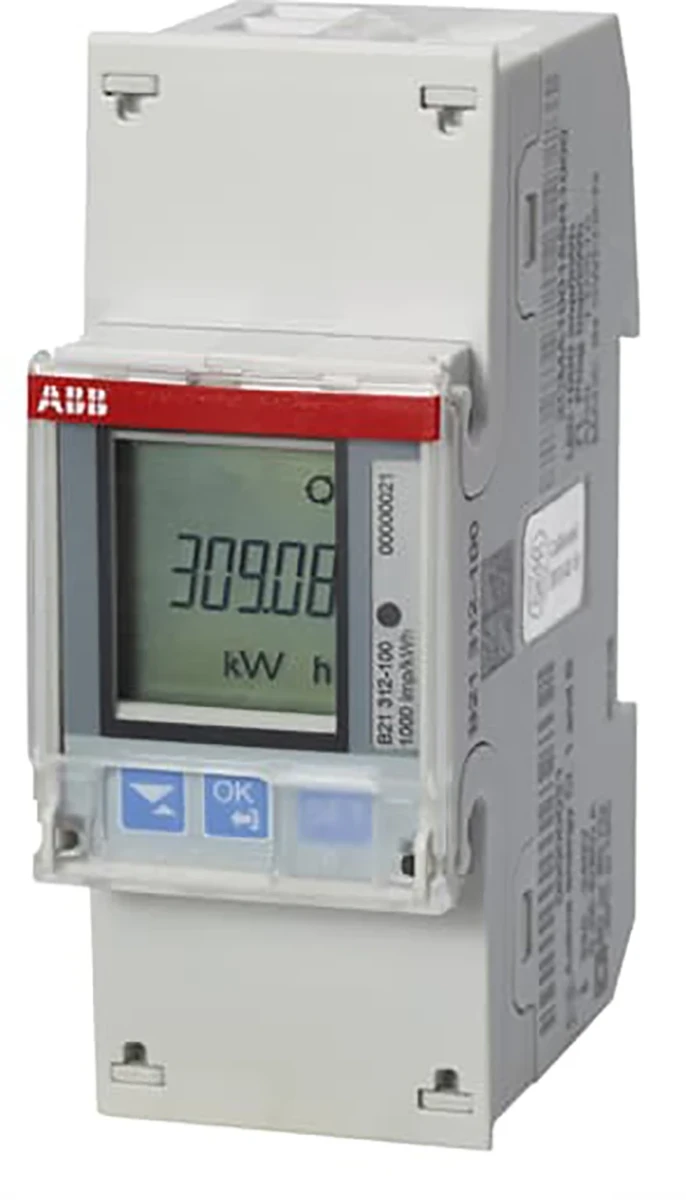
A MID-approved single-phase DIN-rail energy meter for direct circuits up to 65 A, with local RS-485 Modbus RTU, active/reactive energy data, and separate import/export registers.
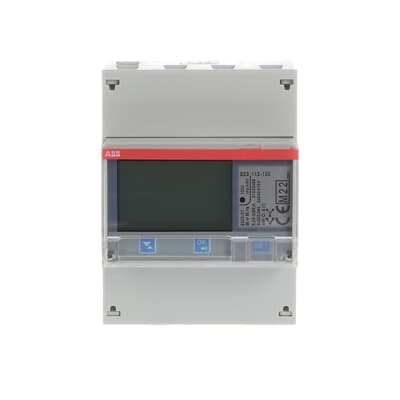
A narrow three-phase DIN-rail meter for electrician-led solar, sub-metering, and panel-monitoring jobs where Modbus RTU integration and trusted electrical hardware matter more than app-first homeowner UX.
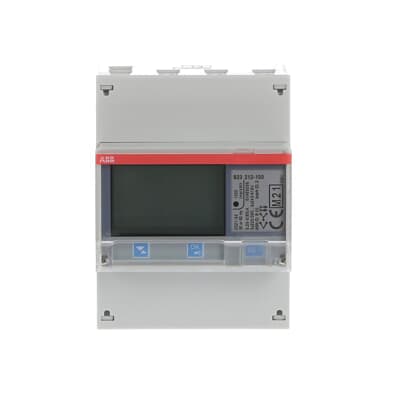
Three-phase 65 A direct-connected DIN-rail meter with MID Class B accuracy, import/export registers, and local RS-485 Modbus for solar, sub-metering, and energy-management projects.
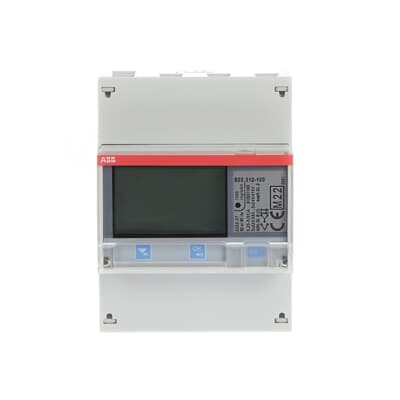
Three-phase 65 A direct-connected DIN-rail energy meter with MID Class B metering, import/export registers, multi-tariff support, and local RS-485 Modbus RTU for residential and commercial sub-metering.
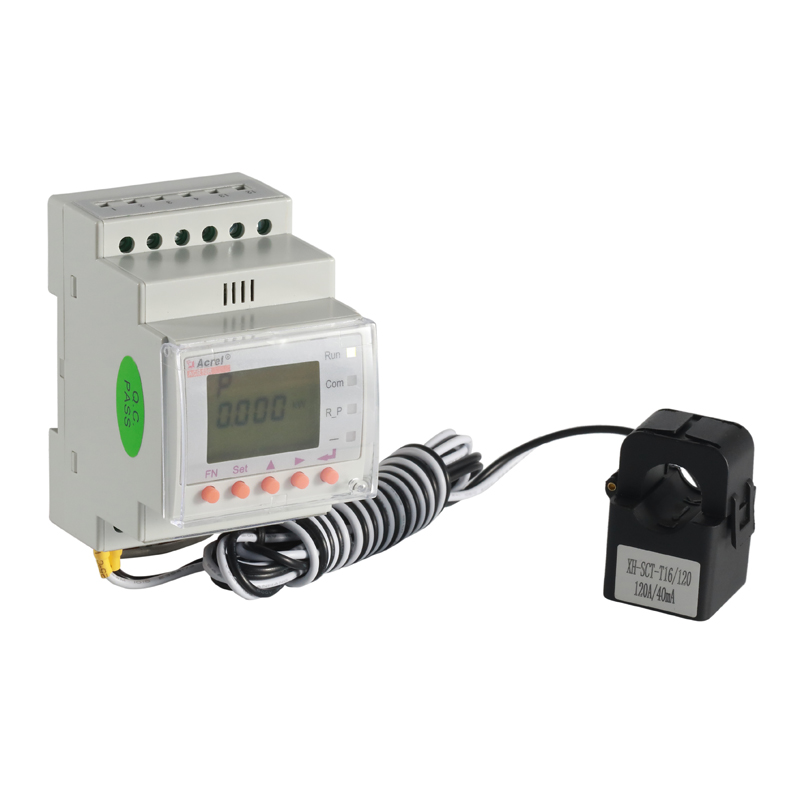
A single-phase DIN-rail multifunction energy meter with an external split-core CT, built for PV inverter metering, anti-reflux monitoring, and local RS485 Modbus data.
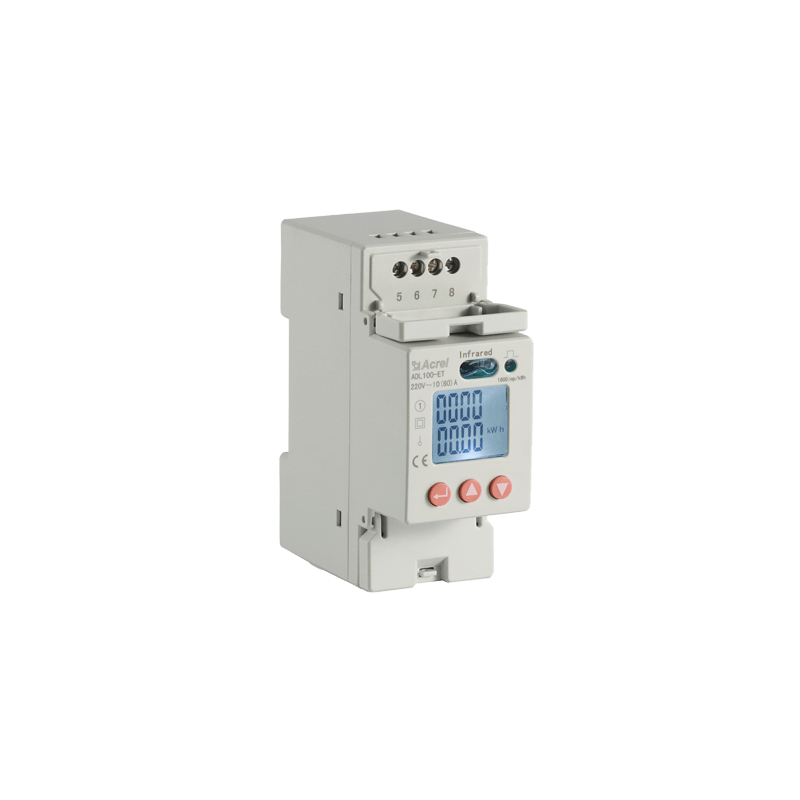
A compact single-phase DIN-rail energy meter for low-voltage circuits that need direct 60 A metering, local display, pulse output, and optional RS485 Modbus data.
From vendor cloud apps to Home Assistant and self-hosted tools, these pages help you judge whether the software side of the setup will stay useful once the novelty wears off.
A local-first home energy platform for combining grid, solar, battery, and device data in one dashboard and one automation system.
Cloud-based solar monitoring and comparison service for uploading inverter, meter, and battery data, tracking 5-minute performance, and benchmarking against similar systems.
Open-source energy monitoring web app for logging, visualising, and exporting meter, solar, heat-pump, and environmental data.
Self-hostable dashboard and time-series database stack for households that want custom charts, alerts, and long-term energy history.
Managed cloud energy monitoring software for IAMMETER smart meters, with real-time dashboards, solar self-consumption tracking, tariff-based billing, alerts, and multi-site analysis.
Self-hosted IAMMETER-Docker energy monitoring software for Raspberry Pi and private servers, with a local dashboard, REST API, meter upload endpoint, and optional cloud forwarding.
Brand pages are a faster way to judge product range, software direction, and whether a manufacturer fits the wider roadmap you have in mind for solar, battery, EV, or home automation.
Our own projects stay focused on practical energy data: readable dashboards, portable integrations, and hardware or firmware that avoids unnecessary lock-in.
ESP32-C3 edge bridge with browser setup, real-time local monitoring, SoftAP recovery, and IAMMETER-compatible upload for supported LAN energy meters.
Self-hosted energy gateway with live browser dashboard, secure login, normalized meter payloads, and IAMMETER-compatible forwarding for selected LAN devices.
Local protocol simulator for IAMMETER, Shelly, and Fronius test flows, with a compact browser console and deterministic runtime data for gateway and dashboard validation.