The solar inverter that feels best to own is usually not the one with the flashiest spec sheet. It is the one that stays understandable, predictable, and flexible after the installer has left.
That is what "easy to live with" really means in practice. A good residential inverter should make daily monitoring simple, faults easy to interpret, expansion paths realistic, and support less painful when something goes wrong. If the household later adds a battery, better metering, an EV charger, or a different monitoring layer, the inverter should not suddenly become the part of the system that makes everything awkward.
This is also why this topic is different from a generic brand ranking. The question here is not which inverter looks strongest in a brochure. The question is which ownership details still matter six months, two years, and one upgrade later.
The short version
A solar inverter is usually easier to live with when it gives you:
- an app that shows the right information without hunting through menus
- clear fault visibility instead of vague alerts
- stable monitoring and a sensible support path
- realistic options for backup power, batteries, and later expansion
- useful data access beyond one locked screen
- installation behavior that does not create avoidable noise, heat, or service frustration
A solar inverter is usually harder to live with when:
- the app is the only thing holding the experience together
- the system looks polished when healthy but becomes opaque when anything is wrong
- battery or backup promises depend on extra hardware nobody explained clearly
- future monitoring, metering, or integration paths are much narrower than you expected
- your installer does not really know the product family well
Quick checklist
| What to check | Why it matters after installation | What good usually looks like |
|---|---|---|
| Monitoring app | This is what most homeowners interact with every week | Clear production, imports, exports, battery status, and system health in one place |
| Fault visibility | Problems feel very different when alerts are specific | Meaningful alarms, remote diagnostics, and fewer mystery failures |
| Data path | Your monitoring needs often grow over time | App plus sensible export, local, or third-party options where relevant |
| Backup behavior | Marketing often sounds simpler than reality | Clear explanation of what works during an outage and what extra hardware is needed |
| Upgrade path | Batteries, smart loads, or EV charging may come later | Product family supports believable next steps without a messy redesign |
| Installer familiarity | Good commissioning prevents long-term annoyance | Installer understands the model family, monitoring setup, and meter configuration well |
| Physical behavior | Noise, heat, and placement affect real-world ownership | Sensible cooling design, suitable mounting location, and fewer day-to-day surprises |
1. The app should answer normal questions quickly
For most homes, the inverter app becomes the face of the whole system.
If the app makes it easy to check production, household usage context, imports, exports, battery behavior, and health status, the system feels understandable. If it makes those basics hard to find, the inverter can feel worse than its electrical performance suggests.
Enphase puts this front and center in its homeowner app by highlighting system health, panel-level production, grid imports and exports, and appliance management inside one app experience. Sungrow similarly positions iSolarCloud as an app-and-web monitoring layer for residential systems, while its residential hybrid pages emphasize live monitoring and real-time data visibility. Those are good signals because day-to-day ownership is usually a monitoring experience before it is a hardware experience.
What matters most is not whether the screenshots look modern. It is whether the app helps a normal homeowner answer questions like:
- Is the system producing normally today?
- Am I importing more than I expected?
- Is the battery charging and discharging the way I thought it would?
- Did the inverter stop for a real reason or only because of normal grid conditions?
If the app answers those quickly, the inverter feels much easier to own.
2. Good fault visibility saves a lot of frustration
A system can look excellent in marketing and still be annoying to own if every issue turns into guesswork.
The better ownership experience usually comes from a combination of:
- clearer alarm messages
- remote diagnostics or installer-side visibility
- easier commissioning logs and monitoring history
- support workflows that do not force the homeowner to start from zero each time
This is one reason installer tooling matters too. Enphase's installer tools focus on activation, grid profile selection, meter configuration, and remote fleet visibility. That does not only help installers. It helps homeowners indirectly because better commissioning and better diagnostics usually mean fewer long support loops later.
In practice, a homeowner rarely cares whether a monitoring portal is technically impressive. They care whether a problem becomes understandable quickly.
3. The easiest inverter to live with often has a wider data path
Many homes start with a simple goal and become more demanding later.
At first, the household may only want solar production. Later, it may want:
- clearer import and export tracking
- better whole-home visibility
- battery behavior inside a broader dashboard
- EV charging context
- local or third-party monitoring
That is where data path starts to matter.
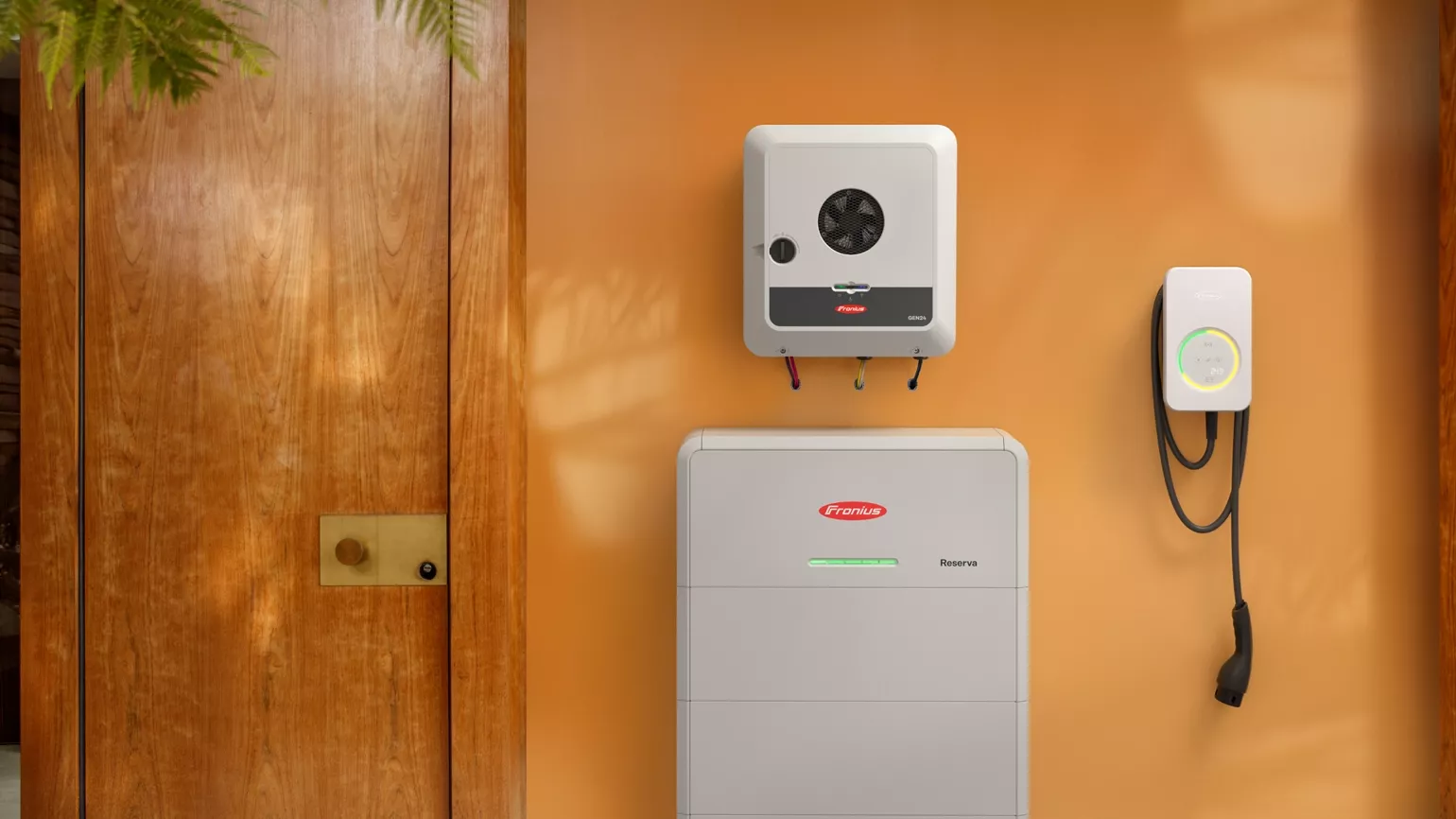
Fronius explicitly highlights open interfaces and later software-based upgrade paths in the GEN24 family. GoodWe's DNS G3 materials emphasize multiple communication protocols including Modbus RTU and SunSpec, along with load monitoring support. These details matter because they reduce the chance that the inverter becomes a visibility dead end once the household wants more than one app screen.
This does not mean every homeowner needs local dashboards or protocol-level integrations. It means that wider data options usually make an inverter easier to live with once the system grows beyond its original scope.
Readers who are already seeing that gap may also want What an Open Energy Meter Lets You Do That a Closed App Usually Does Not and How to Add Consumption Monitoring to a Solar Home That Only Has Inverter Data.
4. Backup and battery promises should be explained in plain language
A lot of inverter frustration starts when the post-install reality does not match the pre-sale story.
Backup power is a common example. Some products support a basic backup output. Some support fuller home backup only with a compatible battery and additional switching hardware. Some can be upgraded later. Some cannot do what homeowners assume they can do.
Fronius is unusually explicit about this on its GEN24 pages, separating PV Point basic backup from fuller household backup behavior and explaining that some functions depend on battery connection and extra hardware. Sungrow also presents its residential hybrid line around backup transition, self-consumption, and built-in EMS, but that still needs to be checked at the exact model-and-system level.
That kind of clarity matters because an inverter is easier to live with when its upgrade story is believable, not when it sounds flexible only during the quote stage.
If hybrid capability is the main question, How to Decide Whether a Hybrid Inverter Is Worth the Extra Complexity is the more direct read.
5. Thermal design, noise, and placement affect ownership more than people expect
Homeowners do not spend much time thinking about inverter cooling until the unit is on the wall near a living space, a hallway, or a quiet garage.
Some inverter families emphasize active cooling for component protection and longer service life. Others emphasize fanless or low-noise operation. GoodWe describes the DNS G3 as fanless and quiet, while Fronius highlights active cooling as part of long service life. Neither approach is automatically best in every home. The real question is whether the installed location, the cooling behavior, and the service access make sense together.
An inverter becomes easier to live with when:
- it is mounted in a sensible location
- expected sound behavior has been explained honestly
- airflow and service access were not treated as afterthoughts
- the design fits the climate and placement conditions of the property
This is not the most glamorous buying question, but it is one of the more practical ones.
6. Installer familiarity often matters more than another feature checkbox
A slightly less ambitious inverter that your installer knows well can be easier to live with than a more feature-rich one that is unfamiliar to the team commissioning it.
That is because a lot of long-term annoyance actually comes from:
- poor meter mapping
- weak commissioning detail
- bad app onboarding
- unclear battery expectations
- support gaps between the installer, inverter brand, and homeowner
The easiest ownership experience usually comes from the combination of a decent product family and a confident installer who sets it up properly the first time.
That is also why a shortlist article such as Best Solar Inverters for Home Use in 2026 should not be treated as the final decision by itself. Brand reputation matters, but local installer competence often matters just as much.
7. Simplicity is sometimes the most livable choice
Not every home needs the most expandable inverter path.
If the household mainly wants reliable solar generation, straightforward app checks, and no near-term plan for a battery, backup, or advanced monitoring, the easiest inverter to live with may simply be the one that does fewer things well instead of more things awkwardly.
The mistake is assuming that more flexibility always improves ownership. Sometimes it does. Sometimes it only adds a more complicated support path.
Questions worth asking before you buy
Ask these before signing off on the inverter choice:
- What will I actually look at every week: the inverter app, a whole-home dashboard, or both?
- If there is a fault, who sees the useful diagnostic information first?
- What exactly works during an outage, and what extra hardware is required?
- If I add a battery, better metering, or EV charging later, what changes and what stays?
- Is this product family easy for my installer to commission and support?
- Where will the inverter be mounted, and what will it sound like in that location?
Those questions usually tell you more about real ownership than another efficiency decimal place.
Bottom line
A solar inverter is easier to live with after installation when it stays clear under normal use, understandable during faults, and flexible when the rest of the home changes.
That usually comes down to better app clarity, better support visibility, a more believable upgrade path, and an installer who understands the exact product family well. Fancy features help only when they are matched by a system design the homeowner can actually live with.
If your next question is less about brands and more about monitoring direction, the Solar Monitoring Planner is a useful next step.
Related reading
- Best Solar Inverters for Home Use in 2026
- How to Decide Whether a Hybrid Inverter Is Worth the Extra Complexity
- What an Open Energy Meter Lets You Do That a Closed App Usually Does Not
- How to Add Consumption Monitoring to a Solar Home That Only Has Inverter Data