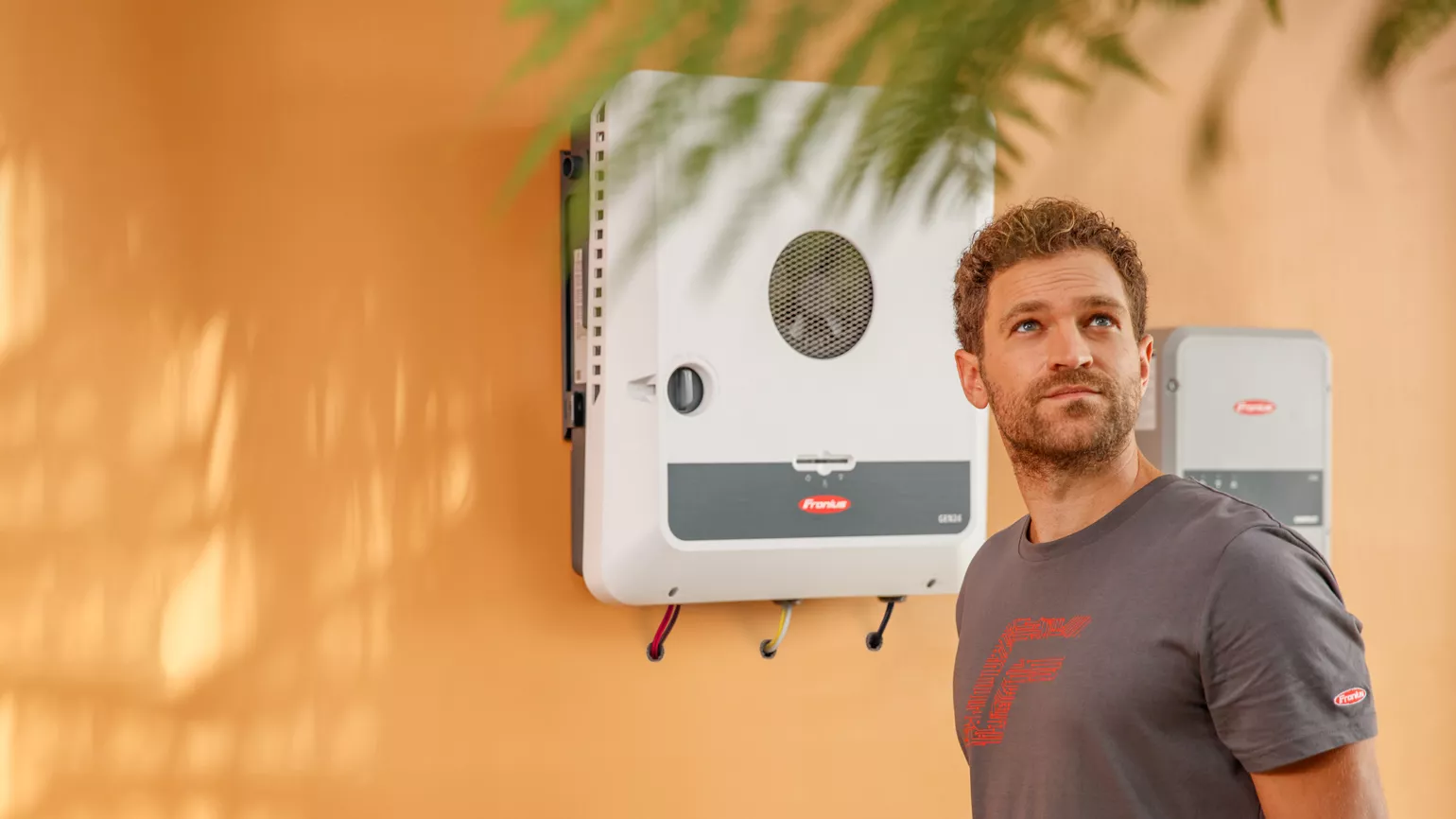
Best Solar Inverters for Home Use in 2026
A solar inverter is one of those products you only notice when something goes wrong. That is why choosing one is about more than efficiency figures on a spec sheet. For most homeowners, the important questions are simpler:
- Is the app easy to live with?
- Does the installer know the brand well?
- Will it work nicely with batteries later?
- Can I still get useful data without being locked into one ecosystem?
This guide compares home-focused inverter brands from that real-world angle.
Quick picks
| Inverter brand | Best for | Why it stands out | Watch out for |
|---|---|---|---|
| GoodWe | Balanced value for many homes | Strong residential focus, battery-ready options, familiar installer ecosystem | Features vary a lot between product lines |
| Sungrow | Straightforward everyday ownership | Solid app experience, broad availability, good value | Some advanced local integrations depend on model and installer setup |
| Fronius | Buyers who care about long-term reputation and data access | Strong brand trust, widely respected by installers | Often priced above value-oriented rivals |
| Enphase | Roofs that suit microinverters and buyers who want a polished ecosystem | Strong monitoring experience and flexible panel-level design | Usually a bigger budget commitment |
| SAJ | Budget-conscious households looking at newer hybrid-friendly options | Competitive pricing and growing residential focus | Installer familiarity may vary more by region |
What matters most in a home inverter
1. App quality and monitoring
Most homeowners interact with the inverter through the app, not the hardware itself. A good app should make it easy to check:
- today's generation,
- household consumption,
- battery charge and discharge,
- import and export,
- and whether the system needs attention.
If the app is clumsy or too cloud-dependent, the inverter can feel worse than its paper specs suggest.
2. Installer familiarity
A slightly less glamorous inverter that your installer knows very well can be a better purchase than a more advanced model that nobody local wants to commission or support.
Ask directly:
- Which brands do you install most often?
- Which ones generate the fewest support calls?
- Which models work best with the battery options you recommend?
3. Battery path
Even if you are not buying a battery now, many homeowners want the option later. A good home inverter should not paint you into a corner. The best choices make future storage expansion feel realistic rather than awkward.
4. Data access
Some homes only need the vendor app. Others want Home Assistant, tariff automations, or whole-home energy dashboards. If you think you may care about that later, choose a brand and model family with better local or third-party integration options.
Brand-by-brand view
GoodWe
GoodWe is easy to recommend because it sits in the middle of the market in a good way. It usually offers a practical mix of price, residential installer support, and battery readiness.
Best for: homeowners who want a sensible, mainstream choice without paying top-tier pricing.
Why it works:
- strong residential focus,
- familiar to many installers,
- broad model range,
- reasonable path into batteries and monitoring.
Sungrow
Sungrow is often a good "just works" option for households that want a dependable inverter with a decent app and good mainstream availability.
Best for: homeowners who want a proven brand and a relatively low-friction ownership experience.
Why it works:
- competitive value,
- good installer familiarity in many markets,
- clear fit for everyday residential systems.
Fronius
Fronius remains attractive for buyers who care about brand reputation, serviceability, and better long-term data confidence. It is often a more deliberate purchase rather than the cheapest one.
Best for: homeowners happy to pay more for trust, data quality, and a strong installer reputation.
Why it works:
- strong reputation,
- respected by many professionals,
- often preferred by buyers who want a more premium feel.
Enphase
Enphase is different because the conversation is often about the ecosystem, not just the inverter. If your roof layout suits microinverters or you want panel-level visibility, it can be a compelling route.
Best for: roofs with shading or design complexity, and buyers who want a polished integrated platform.
Why it works:
- panel-level monitoring,
- mature ecosystem,
- strong ownership experience for the right type of installation.
SAJ
SAJ is usually more attractive on value than on brand recognition. That can still make it the right choice if you have a trusted installer and the feature set lines up with your battery or tariff plans.
Best for: cost-aware households comparing hybrid-ready systems.
Why it works:
- competitive pricing,
- growing residential lineup,
- can make sense when bundled into a good installer proposal.
How to choose between them
Use this shortlist logic:
- Choose GoodWe if you want the safest value-for-money recommendation.
- Choose Sungrow if you want a mainstream inverter with a straightforward ownership experience.
- Choose Fronius if you care more about long-term confidence than lowest cost.
- Choose Enphase if microinverters or panel-level monitoring are the main reason you are shopping.
- Choose SAJ if the installer package is strong and budget matters.
Bottom line
The best solar inverter is not always the one with the most impressive brochure. It is the one your installer can commission properly, your household can understand easily, and your future battery or monitoring plans can still live with.
For most homes in 2026, GoodWe and Sungrow are strong mainstream starting points, while Fronius and Enphase make more sense for buyers willing to pay for a more deliberate ecosystem choice.