Home Assistant for Home Energy Monitoring
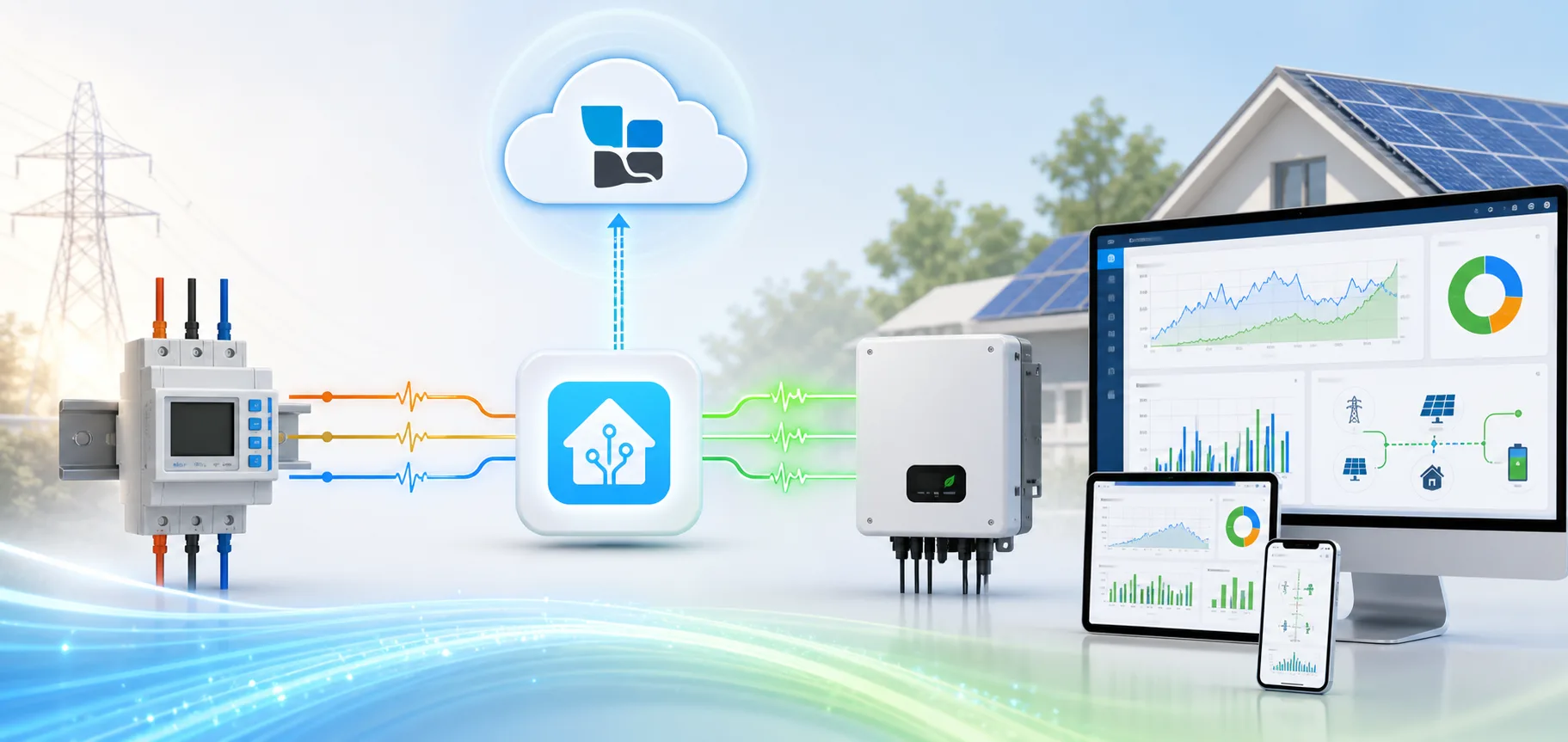
Home Assistant is one of the best platforms for households that want to see energy data from several brands in one place. Instead of living inside separate inverter, battery, EV charger, and smart plug apps, you can bring the important numbers together in a single dashboard.
Why homeowners choose it
The main appeal is simple:
- one dashboard for household energy,
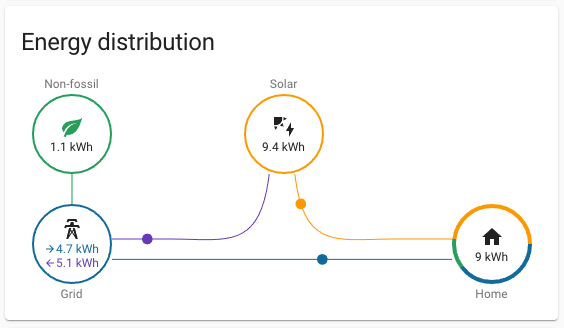
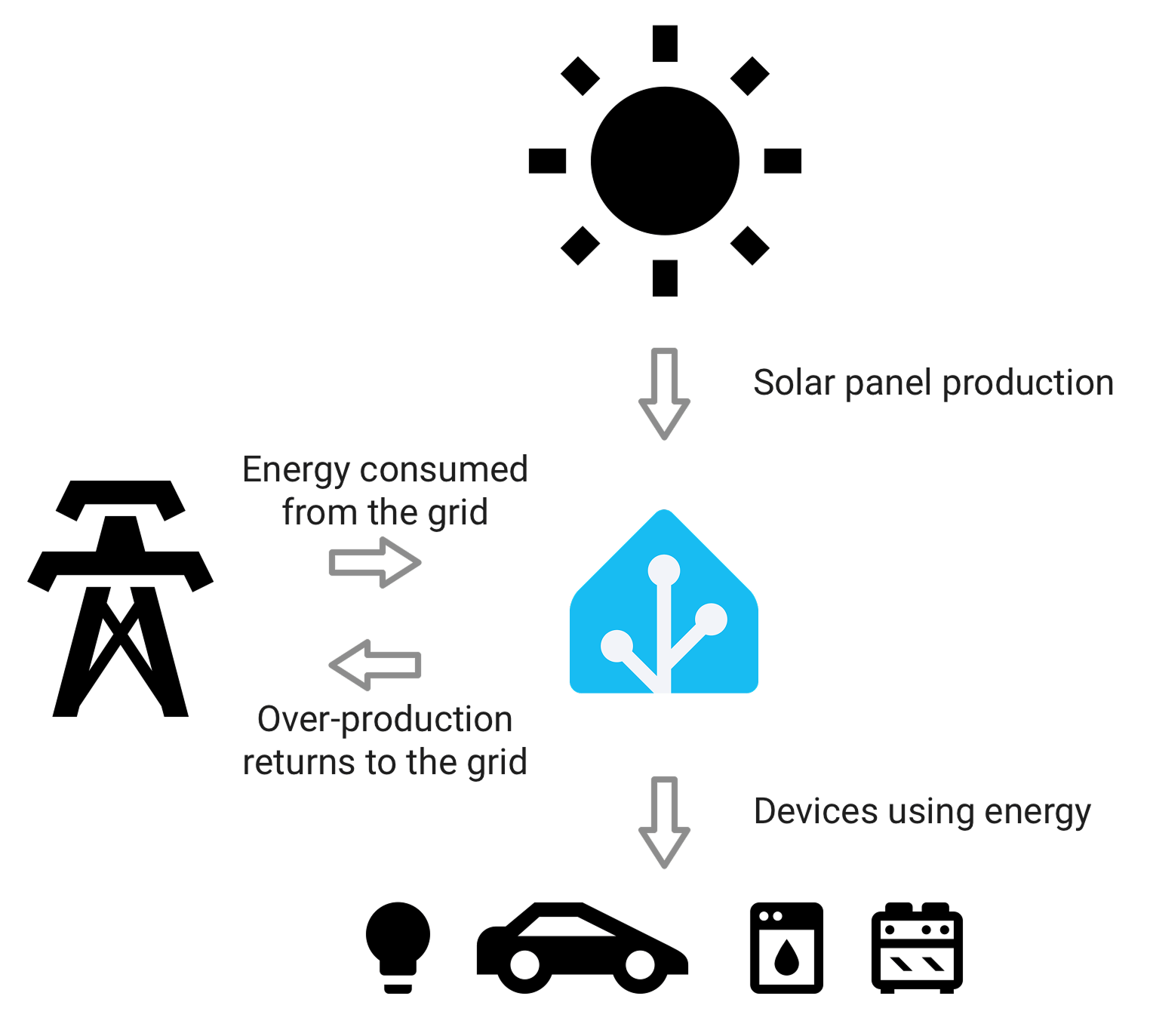
- one place for solar, battery, and grid flows,
- and one automation layer for tariffs, peak usage, or solar surplus.
For the right household, it turns scattered device data into something you can actually act on.
What it does well
Home Assistant works especially well when you want to:
- compare import, export, solar generation, and battery activity,
- combine multiple hardware brands in one system,
- build automations around cheap-rate charging or surplus solar,
- and keep more of your monitoring local.
Best fit
Home Assistant is a strong match if you:
- already use smart home products,
- want more than the vendor's default app,
- or expect your energy setup to grow over time.
It is less compelling if you only want a quick mobile app and have no interest in maintaining another platform.
What you need before starting
The platform is only as useful as the data you feed into it. The best experience usually comes from:
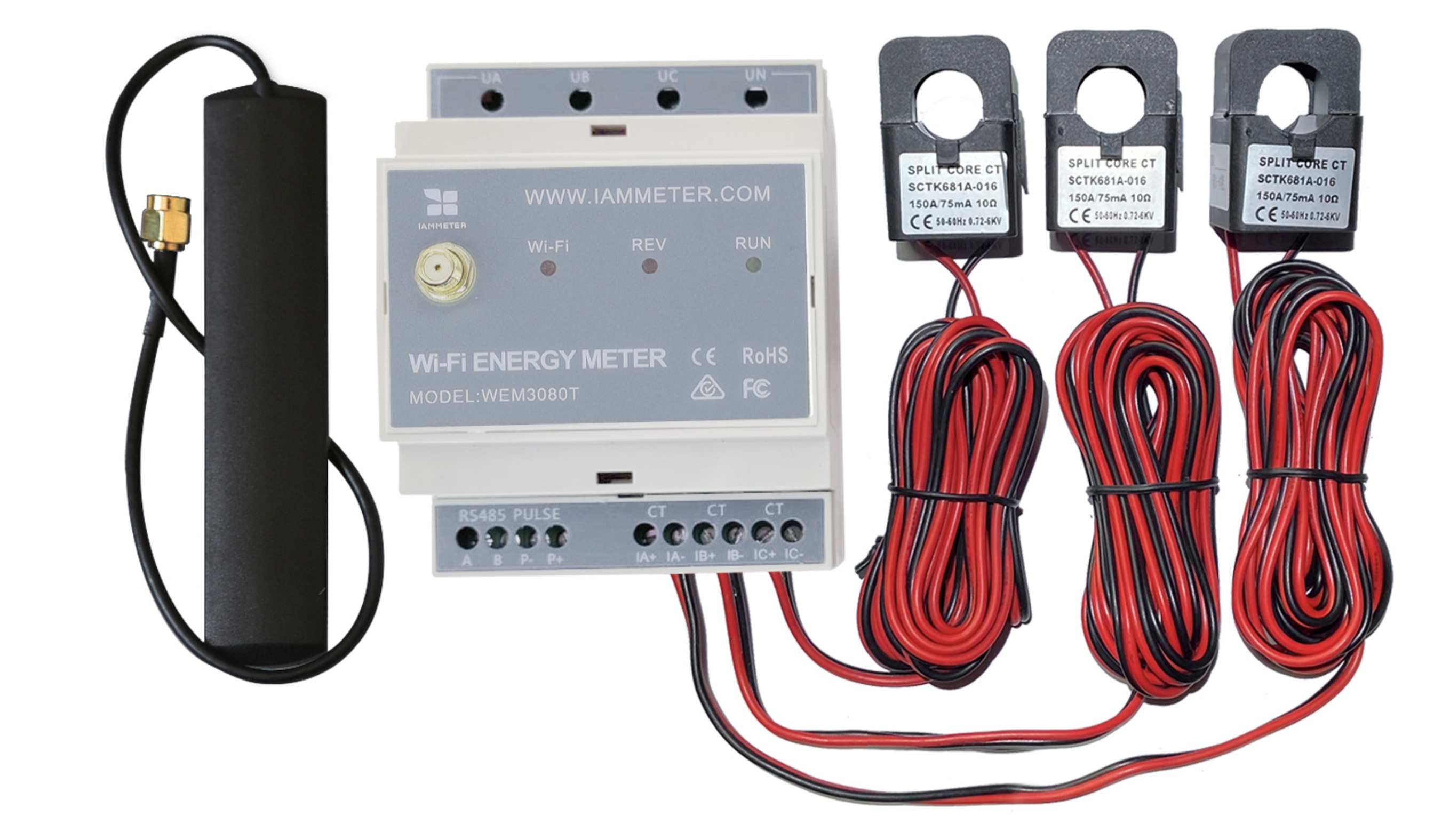
- a meter or inverter with clean local data,
- sensible sensor naming and units,
- and a willingness to verify that totals match reality before building a big dashboard.
Things to keep in mind
Home Assistant can be powerful, but it is not magic. It still needs the right sensors, a bit of setup discipline, and occasional maintenance. If your household wants a zero-effort solution, a vendor app may still be the better primary tool.
Our take
For homeowners who care about visibility, flexibility, and local control, Home Assistant is one of the best energy-monitoring platforms available. It is most rewarding when you want to combine several systems, not just watch one device in isolation.