Which Smart Energy Meter Works Best with Home Assistant? 5 Popular Options Compared
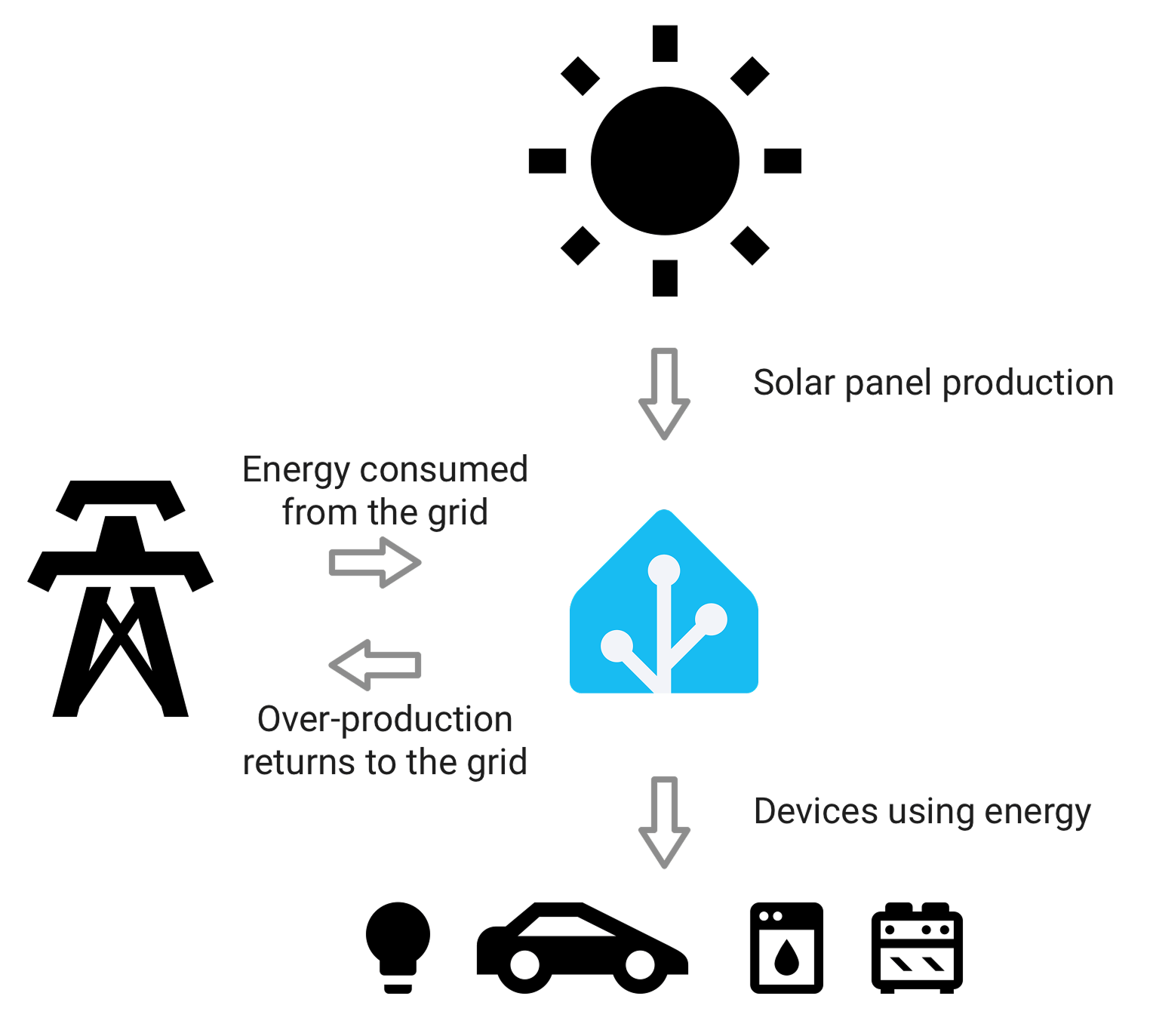
Home Assistant users often ask the same question in slightly different ways: which energy meter is easiest to set up, which one gives the cleanest local data, and which option still makes sense if you add solar, batteries, or automations later?
The answer depends less on raw specs and more on how you want to use Home Assistant in real life. Some households want a fast, native-feeling setup. Others are happy with a more installer-led Modbus path if it gives better compatibility with a solar inverter.
The five options most homeowners compare
| Meter | Best for | Main advantage | Main drawback |
|---|---|---|---|
| Shelly Pro 3EM | Whole-home monitoring with strong local control | Excellent fit for Home Assistant power users | Better for households comfortable with smart home setup |
| Shelly EM | Simpler retrofit monitoring | Easy way to add Home Assistant energy data without a full panel rebuild | Better for smaller or single-phase setups |
| IAMMETER WEM3080 / WEM3080T | Solar homes that want app access plus Home Assistant later | Good balance of homeowner usability and open integration | More niche ecosystem than Shelly |
| Emporia Vue | Buyers starting from a consumer-friendly app-first product | Easy to understand for mainstream households | Long-term local-control flexibility is more limited |
| Eastron SDM630 | Installer-led or Modbus-based systems | Reliable, well-known Modbus option | Less beginner-friendly for DIY Home Assistant users |
What matters most in Home Assistant
When people say a meter "works with Home Assistant," that can mean very different things. The important checks are:
- how hard it is to get stable sensors into Home Assistant,
- whether data stays available locally,
- how well the meter handles import, export, and solar flows,
- and whether you can still use the hardware if your setup changes later.
Best for most Home Assistant users: Shelly Pro 3EM
Shelly Pro 3EM is one of the easier recommendations because it combines a homeowner-friendly smart-home ecosystem with strong long-term flexibility. It suits people who want more than just a dashboard and may eventually add automations, alerts, or tariff logic.
Why it stands out:
- strong local-first mindset,
- mature Home Assistant support,
- good fit for whole-home monitoring,
- easy to grow into more advanced usage.
Best simple retrofit option: Shelly EM
Shelly EM is easier to recommend when the job is smaller. It works well if you want Home Assistant to track a main feed, a large appliance, or a simpler single-phase setup without jumping into heavier three-phase hardware.
Why it stands out:
- approachable entry point,
- friendly for Home Assistant beginners,
- useful for load monitoring and basic energy dashboards.
Best for solar households that still want flexibility: IAMMETER WEM3080 / WEM3080T
IAMMETER is worth considering because it does not force an all-or-nothing choice. Many households start with the vendor tools, then connect Home Assistant later once they want more dashboards or automations.
Why it stands out:
- good solar import/export focus,
- practical balance between cloud convenience and local options,
- strong fit for homeowners who are not fully "Home Assistant first" on day one.
Best for mainstream app-first buyers: Emporia Vue
Emporia often attracts buyers who want a consumer-looking experience first and a Home Assistant path second. That can be perfectly reasonable, especially if your household values quick setup and a familiar app.
Why it stands out:
- easier to understand for less technical households,
- strong starting point for people moving up from smart plugs and simple monitors.
Where it is weaker: local-control flexibility is not the main selling point.
Best for installer-led Modbus systems: Eastron SDM630
Eastron SDM630 is not the easiest option for beginners, but it makes sense in the right home. If the rest of your system is already built around Modbus, or your installer is wiring everything into a gateway or inverter, it can be a more sensible choice than chasing a Wi-Fi-first product.
Why it stands out:
- proven Modbus path,
- comfortable fit for structured panel installations,
- good for households already leaning toward gateways and inverter integrations.
Which one should you choose?
A few simple rules help narrow it down:
- Shelly Pro 3EM is usually the easiest place to start if Home Assistant is central to your monitoring setup.
- Shelly EM makes more sense when you want a simpler retrofit or a smaller single-phase job.
- IAMMETER is worth a closer look if solar import and export matter and you want room to grow into Home Assistant over time.
- Emporia Vue is easier to understand for households that prefer a consumer-style app experience first.
- Eastron SDM630 becomes more attractive when the installer is already building around Modbus.
Bottom line
There is no single "best" Home Assistant energy meter for every household. The better question is which compromise fits your home: local control, easier retrofit, stronger solar visibility, or installer-led reliability.
In many homes, Shelly will feel like the lowest-friction Home Assistant choice. In others, especially solar households that want a gentler path from vendor tools into Home Assistant, IAMMETER can make more sense. The right answer depends less on brand loyalty and more on how you plan to live with the system after installation.