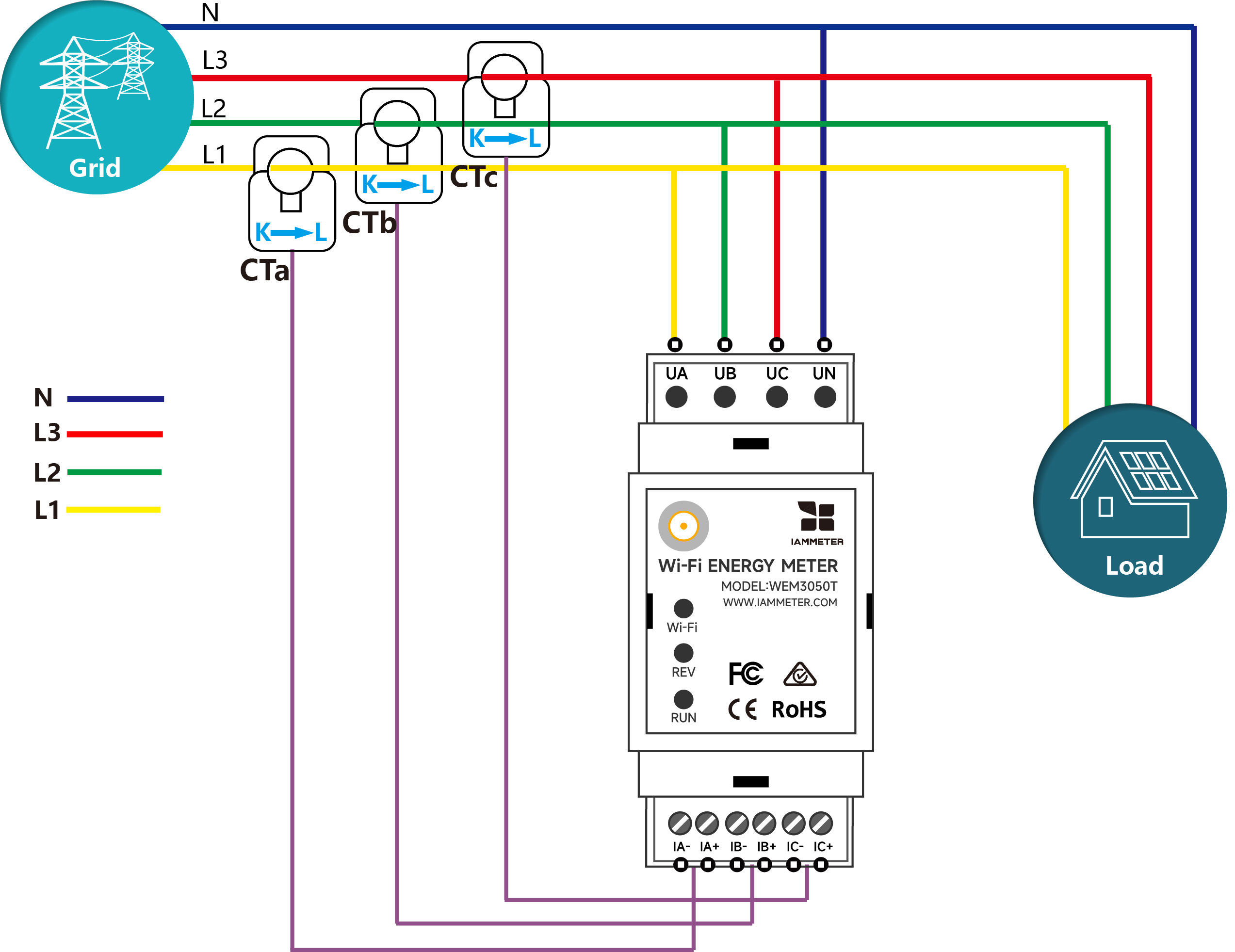
Demand tariffs can look confusing because they add a second kind of electricity cost on top of the normal usage rate. Instead of charging you only for how many kilowatt-hours you use, they can also charge you for how high your demand spikes during a defined window.
For homeowners with solar, a battery, or an EV, that changes the question from how much electricity do I use? to when do I create my highest peaks, and can I control them?
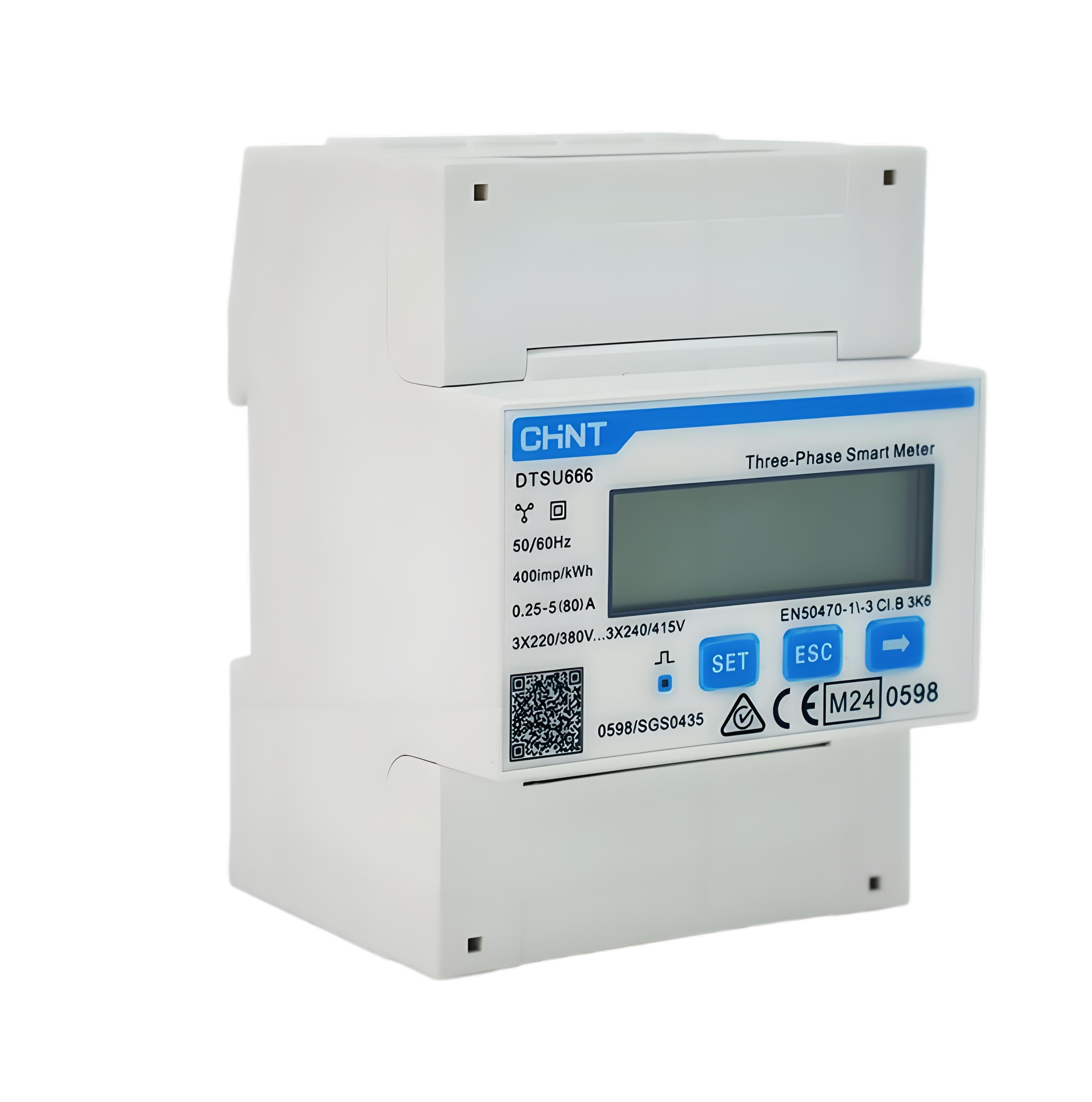
A demand tariff is really a peak-management problem. If you cannot clearly see imports, exports, and household load at the same time, it is much harder to judge whether the tariff will help or hurt.
The short answer
Demand tariffs usually make the most sense when your home can reliably avoid sharp peaks during the demand window.
| Home setup | Demand tariff fit | Why |
|---|---|---|
| Solar only, no battery, limited load shifting | Often weak | Solar cuts total imports, but evening peaks can still be high |
| Solar plus battery with peak control | Sometimes strong | Battery can blunt short spikes if it is available at the right time |
| Solar plus EV with uncontrolled charging | Often poor | EV charging can create the exact spike the tariff punishes |
| Solar plus battery plus scheduled EV charging | Potentially good | This is the kind of home that can actually manage peaks deliberately |
They are often a poor fit when:
- evening imports are still heavy
- the EV often charges in the wrong window
- the battery is too small or not configured to limit peaks
- solar production does not line up with the tariff's demand period
They can become more workable when:
- a battery can discharge during the demand window
- the biggest loads are scheduled outside that window
- EV charging is moved away from the peak period
- the tariff also offers lower usage rates that genuinely offset the risk
What a demand tariff actually is
A normal flat-rate plan mainly cares about total electricity used. A time-of-use plan cares about when energy is used. A demand tariff adds another layer: it also cares about the highest level of demand your home reaches during a nominated period.
In practice, that means one short burst of high usage can matter more than many smaller loads spread across the day.
The details vary by market, but the key questions are usually:
- What time window counts toward demand?
- Is demand measured over 15, 30, or 60 minutes?
- Is the charge based on the single highest interval, or something broader?
- Does exported solar reduce the demand figure, or only imported power?
These details matter because two tariffs can both be called "demand tariffs" while behaving very differently in the real world.
If you need the simpler tariff baseline first, read Best Tariff for Solar Homes in Australia (2026): Time-of-Use vs Flat Rate.
Why solar does not automatically solve demand charges
Many homeowners assume solar should make a demand tariff easy to live with. Sometimes it helps, but not always.
The problem is simple: household peaks often happen when solar is weaker or gone entirely.
Common peak-causing situations include:
- cooking, hot water, and air conditioning all running around dinner time
- EV charging starting at the same time as other big evening loads
- winter heating loads arriving after solar production fades
- cloudy days when the home still behaves like a high-load household
That is why solar homes can still get hit hard by a demand tariff. Solar lowers total imports, but it does not automatically flatten your highest demand spikes.
If you want a broader framework first, these related guides help:
- How to Read Smart Meter Interval Data Before You Buy Solar or a Battery in Australia (2026)
- Can a Smart Meter Actually Lower Your Bill in 2026? What It Can and Cannot Do
- How to Use Excess Solar at Home in 2026: EV Charging, Hot Water, Battery, or Pool Pump?
When a demand tariff can work for a solar home
A demand tariff can be workable when the home is not just low-usage, but peak-aware.
That usually means one or more of these are true:
- the home's largest loads can be moved outside the demand window
- daytime solar regularly covers the loads that would otherwise create short spikes
- the battery is large enough, and configured correctly, to cap peaks
- EV charging is controlled rather than left to happen whenever the car plugs in
The key difference is this: a solar home with low total imports is not the same thing as a solar home with low peak imports. Demand tariffs care about the second one.
How a battery changes the answer
A battery can improve demand-tariff fit because it can cover short bursts of household demand during the expensive demand window.
That does not mean every battery makes a demand tariff a good idea.
A battery helps most when:
- it is actually available during the demand period
- it has enough usable capacity left at the right time of day
- it can discharge quickly enough to blunt the spike
- the tariff reward is meaningful enough to justify managing the system that way
A battery helps less when:
- the battery is already empty by the time the demand window starts
- the home's spikes are larger than the battery or inverter can cover
- the battery is being reserved for blackout backup rather than tariff response
- the household creates repeated large peaks the system cannot smooth
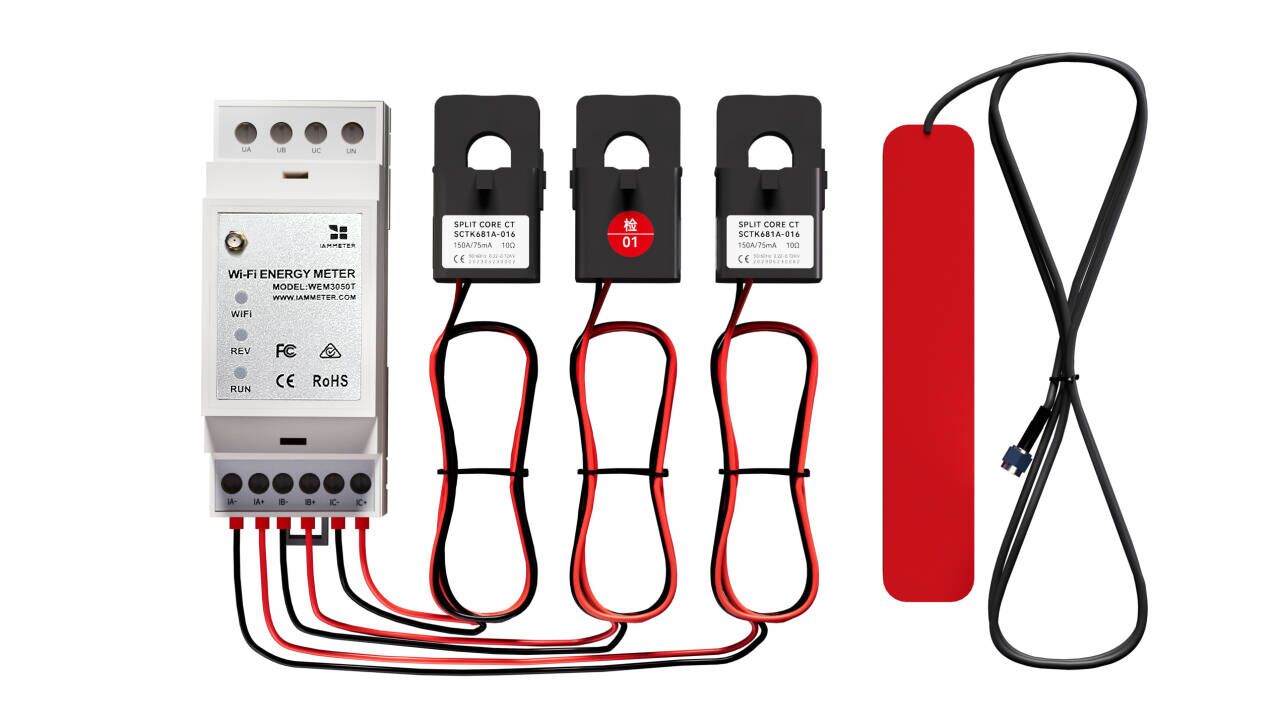
The useful question is not just whether a battery exists. It is whether your monitoring can show when the battery is actually reducing import peaks and when it is not.
If battery economics are part of the decision, these pages are the next logical reads:
- What Size Home Battery Do I Need in Australia? A Practical 2026 Guide
- Will a Home Battery Save You Money With Solar?
- Best Home Batteries for Solar Homes in Australia (2026): 3 Batteries Worth Shortlisting
- Home Battery Backup During a Blackout: What Actually Works in 2026
How EV charging can make or break the tariff
EV charging is often the biggest wildcard.
If the car charges in the demand window, a demand tariff can become much harder to justify. One charging session can create exactly the kind of short, high-power spike the tariff punishes.
If EV charging is moved out of that window, the same home can look much more manageable.
That is why demand tariffs and EV charging should be treated as one combined decision.
Ask yourself:
- Does the car usually arrive home during the demand period?
- Is charging scheduled, or does it start immediately when plugged in?
- Can the charger or vehicle reliably avoid the demand window?
- Is the home also running cooking, heating, hot water, or cooling at the same time?
Related EV reads:
- Charge Your EV With Solar or Off-Peak in Australia? What Actually Saves More in 2026
- Best EV Charging Schedule for Solar and Off-Peak in 2026: 3 Home Setups That Actually Work
- Is a 7 kW EV Charger Enough for Home Use in 2026?
- Best EV Chargers for Solar Homes in 2026: 3 Smart Chargers Worth Shortlisting
Common misunderstandings about demand tariffs
1. "I have solar, so a demand tariff should be fine"
Not necessarily. Solar helps when the tariff window overlaps strong generation and when the home's biggest spikes happen then. If your worst peaks are later, solar may not protect you enough.
2. "A battery automatically fixes the problem"
Only if it is available, large enough, and configured to reduce those peaks. A battery can improve the fit, but it does not erase a badly matched tariff by itself.
3. "The usage rate is lower, so I must save money"
A lower energy rate can be attractive, but demand charges can wipe that out if the home regularly creates sharp peaks.
4. "Demand tariff means I just need to use less electricity"
Often the real challenge is not total usage. It is peak concentration. A home can use less overall and still perform badly if its loads bunch up in the wrong time window.
Four homeowner scenarios
1. Solar home, no battery, no EV
Demand tariff may work if daytime solar covers most large loads and evening demand stays controlled. It becomes riskier when cooking, cooling, and hot water all pile into the peak window.
2. Solar home with battery
Potentially stronger fit, but only if the battery is configured to reduce grid peaks in the demand period rather than being reserved for other priorities.
3. Solar + EV, no battery
Often the hardest case if the car charges at the wrong time. EV charging can create a large new demand spike unless the charging window is tightly controlled.
4. Solar + battery + EV
Can be the best-managed case, but it also depends on coordination. A battery and EV do not help automatically. The setup has to actually flatten demand, not just add more moving parts.
What to check before switching
Before switching to a demand tariff, ask these questions:
- What exact time window counts toward the demand charge?
- Is demand measured over 15, 30, or 60 minutes?
- Is the demand charge based on the single highest interval?
- Can exported solar reduce that measured demand?
- Can my battery cap demand during that window?
- Can my EV charger reliably stay out of the demand window?
- Are the lower usage rates enough to offset the added demand risk?
- What happens in winter, cloudy periods, or high-air-conditioning weeks?
- How easy is it to switch away later if the plan performs badly?
A practical decision rule
A demand tariff is more likely to suit your home when:
- you can identify the big loads clearly
- you can move them or buffer them
- your battery and EV setup are actually controllable
- your peaks are not concentrated in the tariff's demand window
It is less likely to suit your home when:
- your biggest loads stack up in one short evening window
- the EV often charges during that period
- the battery is too small or not managed around demand
- the tariff looks cheaper only because of the usage rate, not because the home is genuinely peak-flexible
If you want to sanity-check your own setup before trusting a retailer pitch, the most relevant tool is Tariff Fit Checker.
Bottom line
Demand tariffs are not automatically bad for solar, battery, or EV homes. But they are also not a free win just because the home has solar panels or a battery.
The real question is whether your home can control peaks, not just reduce total kWh.
If you are not sure, start by checking interval data, EV timing, and battery behavior before you change tariff structure. In most homes, that gives a clearer answer than comparing retailer marketing copy alone.
If this article describes your situation, the next useful reads are usually:
- Best Tariff for Solar Homes in Australia (2026): Time-of-Use vs Flat Rate
- How to Read Smart Meter Interval Data Before You Buy Solar or a Battery in Australia (2026)
- Charge Your EV With Solar or Off-Peak in Australia? What Actually Saves More in 2026
- Solar Diverter vs Battery vs EV Charger in 2026: What Should Get Your Excess Solar First?