If your solar system is regularly exporting power in the middle of the day, the right first purchase is usually not “the most advanced technology”. It is the hardware that can absorb your excess solar most often, with the least wasted spend.
For many homes, the real order is simpler than it sounds:
- start with a solar diverter if you already have a suitable electric hot-water load and no EV that can reliably charge in daytime
- start with an EV charger if the car is often home during solar hours and EV charging is your biggest flexible load
- start with a battery when your real problem is evening imports, export limits, or backup goals rather than just midday surplus
That means this is not really a technology comparison. It is a load-matching decision.
| If your home looks like this | Best first move | Why it usually wins |
|---|---|---|
| No EV, electric hot-water tank, regular daytime exports | Solar diverter | Usually the cheapest way to turn excess solar into something useful every day |
| EV often parked at home from late morning to afternoon | EV charger | EV charging can absorb far more solar energy than a hot-water diverter |
| Big evening imports, export limits, or backup priority | Battery | Moves solar into the evening and can solve a different class of problem entirely |
| Mixed household with no clear daytime load and limited budget | Wait and measure first | Buying the wrong hardware first is worse than exporting for a while |
If you want the broader non-hardware ranking as well, including pool pumps and hot-water timing, read How to Use Excess Solar at Home in 2026.
What each option is actually good at
The easiest mistake here is to treat all three upgrades as if they solve the same problem.
They do not.
A solar diverter
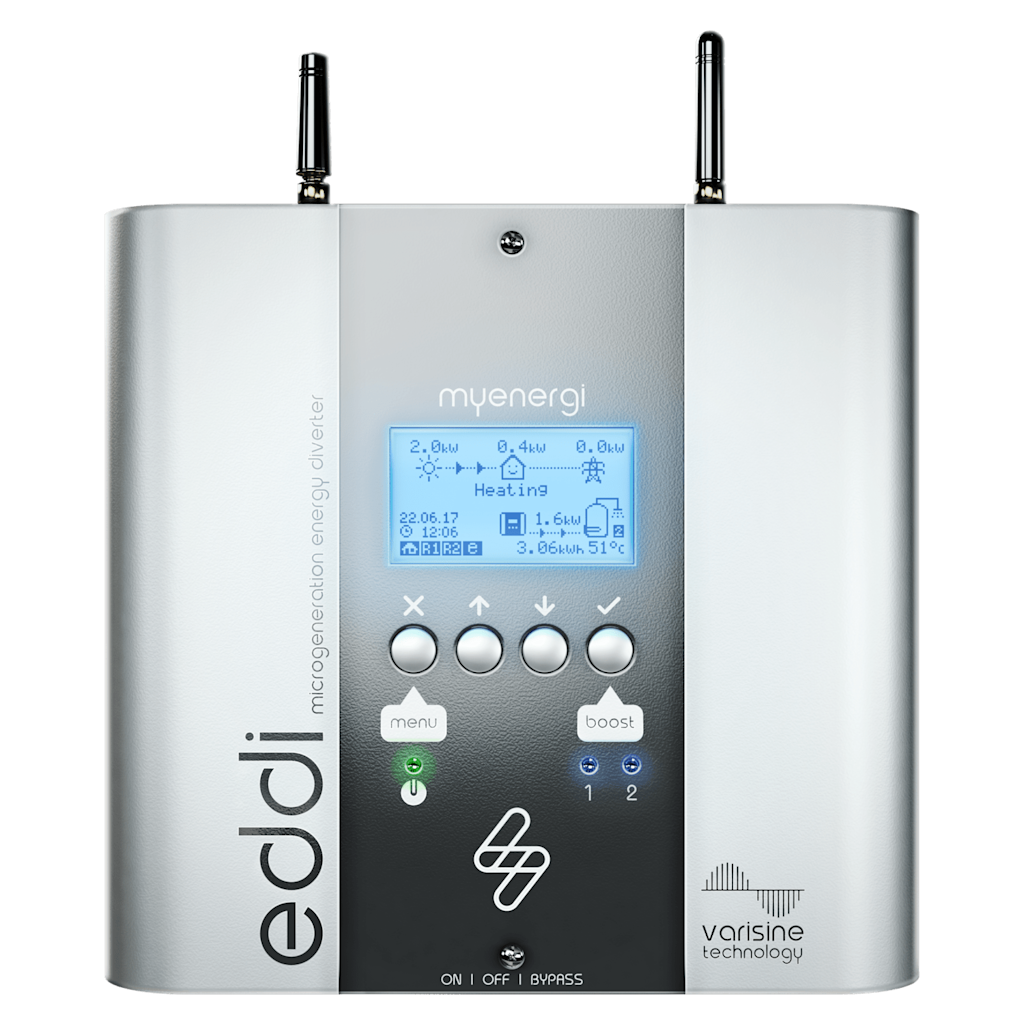
A solar diverter is strongest when you already have a suitable resistive load, usually hot water. myenergi describes its eddi diverter as a way to maximise consumption of solar PV or wind generation by taking excess generation that would otherwise go back to the grid and using it to power heating systems or heat water.
That is why a diverter can be such a strong first upgrade in the right home. It is simple, focused, and often cheaper than a battery. But it is also narrow: if your household does not have the right hot-water or heating load, it is not a magic solar sponge.
A battery
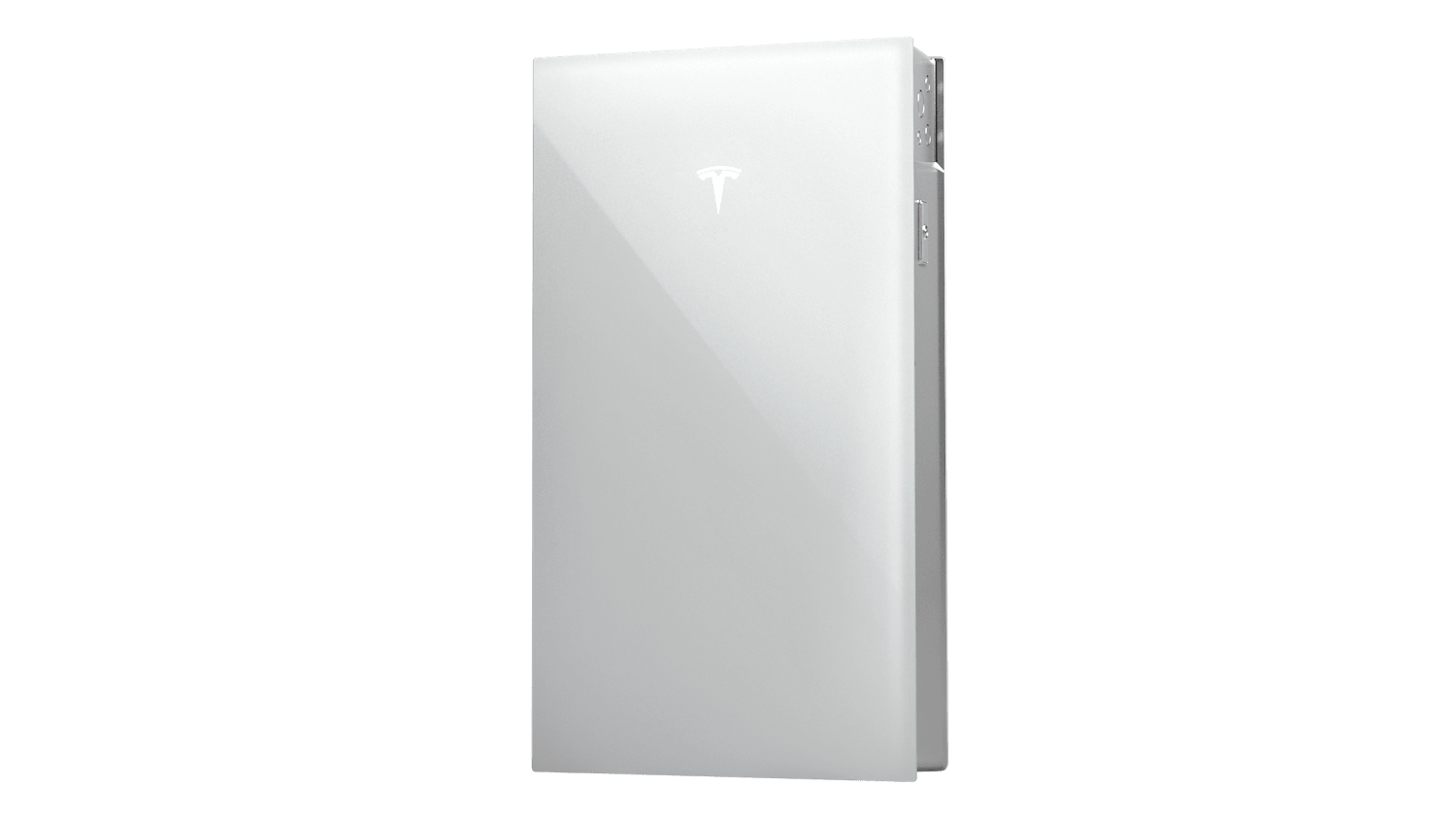
A battery is a broader but more expensive tool. The Australian Government's Solar Consumer Guide explains batteries as a way to store excess solar electricity for later use, which can reduce how much electricity you need to buy from the grid. That is a very different job from a diverter. A battery is not just soaking up midday surplus. It is moving energy into the evening and, in some systems, also supporting backup.
That is why a battery should usually be treated as an evening-import and resilience decision first, and only second as a “what do I do with extra solar?” decision.
An EV charger
An EV charger becomes the best first move when the car is the biggest flexible load in the house and it is actually present during solar hours. The U.S. Alternative Fuels Data Center notes that most EV charging is done at home. In practical terms, that means home charging behavior matters more than brochure features.
If the car can reliably sit at home through the solar window, an EV charger can absorb much more energy than a hot-water diverter. If the car is rarely there until evening, the same charger may still be useful, but it stops being the best “use excess solar first” upgrade.

The cheapest first win is often a diverter, but only in the right house
A diverter is easy to undersell because it is less glamorous than a battery and less visible than an EV charger. But if your house already has:
- a standard electric storage hot-water system
- regular midday exports
- no EV that can use that solar instead
then a diverter often deserves to be first in line.
Why? Because it solves a narrow problem with less hardware and less capital. You are not trying to build evening energy storage. You are just trying to stop midday solar from leaving the house for low value.
Where it disappoints:
- gas hot water or incompatible heating loads
- homes where exported solar is not the real pain point
- homes where the EV is already a larger and more valuable flexible load
- buyers who actually want backup, bill-shifting, or tariff optimisation
An EV charger should go first when the car is your biggest flexible load
If you have an EV and the car can often charge in daytime, the charger usually jumps ahead of the diverter.
That is because the EV can usually take far more energy than hot water over a normal week. It also gives you more flexibility. You can combine:
- solar-first charging on home days
- off-peak charging on low-solar or high-mileage days
- split schedules for mixed routines
This is why the correct comparison is not “charger vs battery” in the abstract. It is “do I have a daily daytime EV charging opportunity that is large enough to beat the simpler hot-water option and postpone battery spend?”
If your answer is yes, an EV charger often belongs ahead of a battery.
If you are still deciding how that charging routine should work, go next to Best EV Charging Schedule for Solar and Off-Peak in 2026 and Charge Your EV With Solar or Off-Peak? What Actually Saves More.
A battery should go first only when your real problem is bigger than midday surplus
A battery is the strongest option here, but it is also the easiest one to buy too early.
If your real household problem is one of these, then the battery can justify going first:
- large evening imports after solar production ends
- export limits or curtailment that make daytime excess harder to use
- strong time-of-use tariff arbitrage
- backup expectations during outages
- no hot-water or EV opportunity big enough to soak up the solar in a cheaper way
That is why a battery is usually not the default first answer for every solar home. It is the first answer when the household is trying to solve evening cost, backup, or export-constraint problems, not just “I have some solar left over at noon”.
If that sounds more like your situation, the better next pages are:
- Solar Export Limits in Australia (2026): When a Home Battery Starts Making More Sense
- What Size Home Battery Do I Need in Australia?
- Home Battery Backup During a Blackout: What Actually Works in 2026
Four common homes and what should usually come first
1. Solar home, electric hot water, no EV
Start with the diverter.
This is the cleanest diverter case. You already have a compatible daytime sink, and it does not require the capital leap of a battery.
2. Solar home, one EV home during work-from-home days
Start with the EV charger.
The charger gives you a bigger flexible load and a better path to both solar and off-peak optimisation.
3. Solar home, no daytime EV parking, high evening imports
Start with the battery only if the economics or backup goal are clear.
If the budget is tight and the evening problem is moderate, it may still be worth fixing load timing first before buying storage.
4. Solar home, export-limited, mixed loads, unclear pattern
Do not buy any of the three first. Measure first.
Read your interval data, look at your midday exports and evening imports, and work out which load is actually available. In many homes, the wrong first purchase happens because nobody checked what the car, hot water, and evening demand were really doing over a normal week.
For that step, use How to Read Smart Meter Interval Data Before You Buy Solar or a Battery.
What usually changes the order
The order can flip quickly when one of these is true:
- your EV is rarely home in the day
- your hot-water system is not a good diverter candidate
- your export tariff is low and your evening imports are high
- you care about outage backup, not just bill savings
- your network export limit is tight enough that curtailment is becoming real
In other words, the best first move is rarely permanent. It is just the best move for the loads and tariff conditions you have now.
A practical buying order for most homes
If you want a rule of thumb instead of another abstract comparison, use this:
- Check whether you have a reliable daytime sink already:
- hot water
- EV charging
- If hot water is the only clear sink, price the diverter first.
- If the EV is a real daytime load, price the charger first.
- If neither daytime option solves the real bill problem, move to battery sizing and tariff analysis.
- Only spend on a battery first when your household problem is clearly evening imports, export limits, or backup.
That order is not glamorous, but it usually avoids the most expensive mistake: buying storage before you know whether a cheaper flexible-load option could do most of the job.