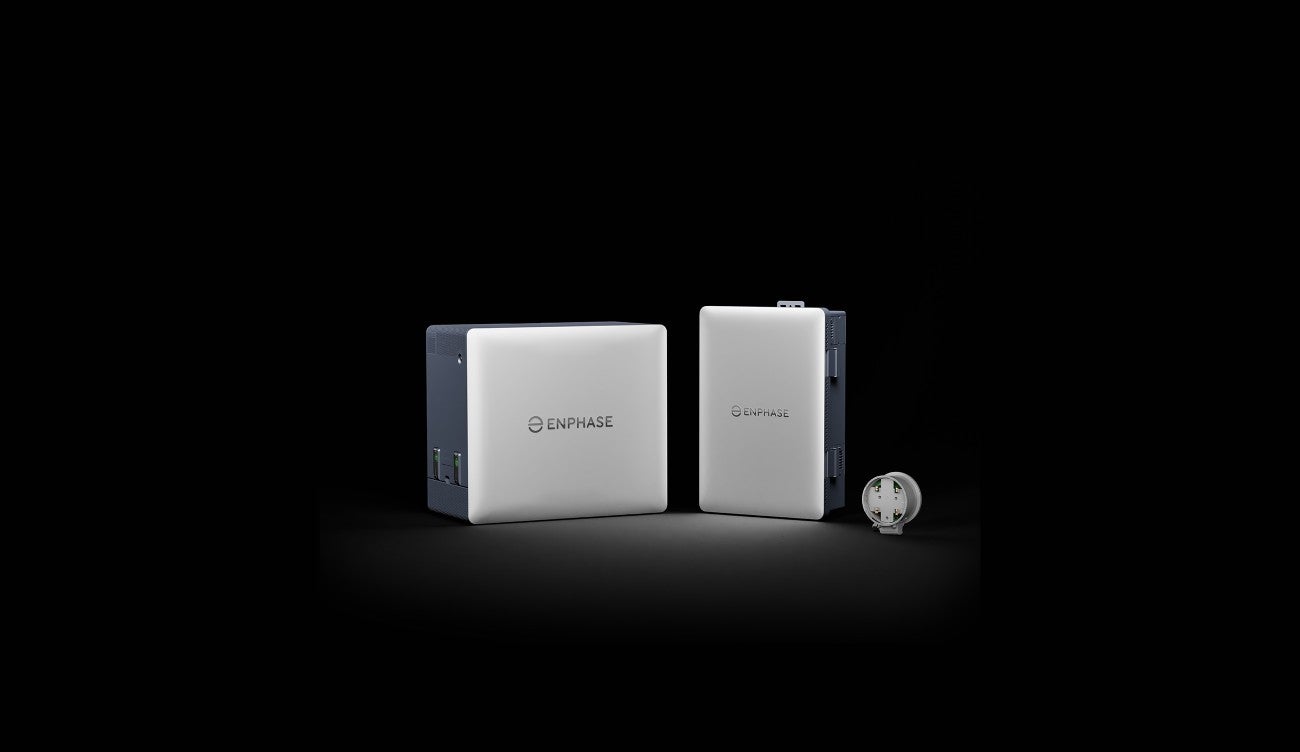
If you want the short answer first, here it is: a home battery can keep part of your house running during a blackout, but not every battery system can back up every load, and not for as long as many buyers assume. The real answer depends on backup hardware, output power, usable stored energy, which circuits are backed up, and whether your solar system can keep charging the battery while the grid is down.
That is why “Does this battery do backup?” is the wrong buying question. The better question is: what exactly stays on, for how long, and under what limits when the grid fails?
What a blackout-ready battery system actually needs
| Requirement | What it really means | Why buyers get this wrong |
|---|---|---|
| Backup hardware | The system needs the right controller, gateway, or transfer setup so it can isolate your house from the grid safely | A battery alone does not automatically create an islanded backup system |
| Enough output power | The inverter side must support the loads you want to run at the same time | Buyers often look only at kWh and ignore kW |
| Enough usable energy | Stored energy determines runtime once the grid is gone | “Whole-home backup” does not mean “whole-home backup for long” |
| A backed-up load plan | Some homes back up everything, others only critical circuits | Many households do not decide this before asking for quotes |
| Solar recharge support | Some systems can keep using PV off-grid, others cannot do it in the way buyers expect | People assume solar will always refill the battery during an outage |
| Load discipline | Large loads can empty or overload a backup system quickly | A battery works better when the home is managed like a backup system, not like a normal grid-connected house |
This is the main filter for the whole page: a battery backup system is not just a battery. It is a battery plus switching, control logic, output limits, and a load strategy.
Whole-home backup is different from partial-home backup
The first decision is not brand. It is backup scope.
FranklinWH’s support documentation is unusually clear here. It supports both whole-home backup and partial-home backup, and it shows them as two different system designs rather than one marketing promise.
Whole-home backup
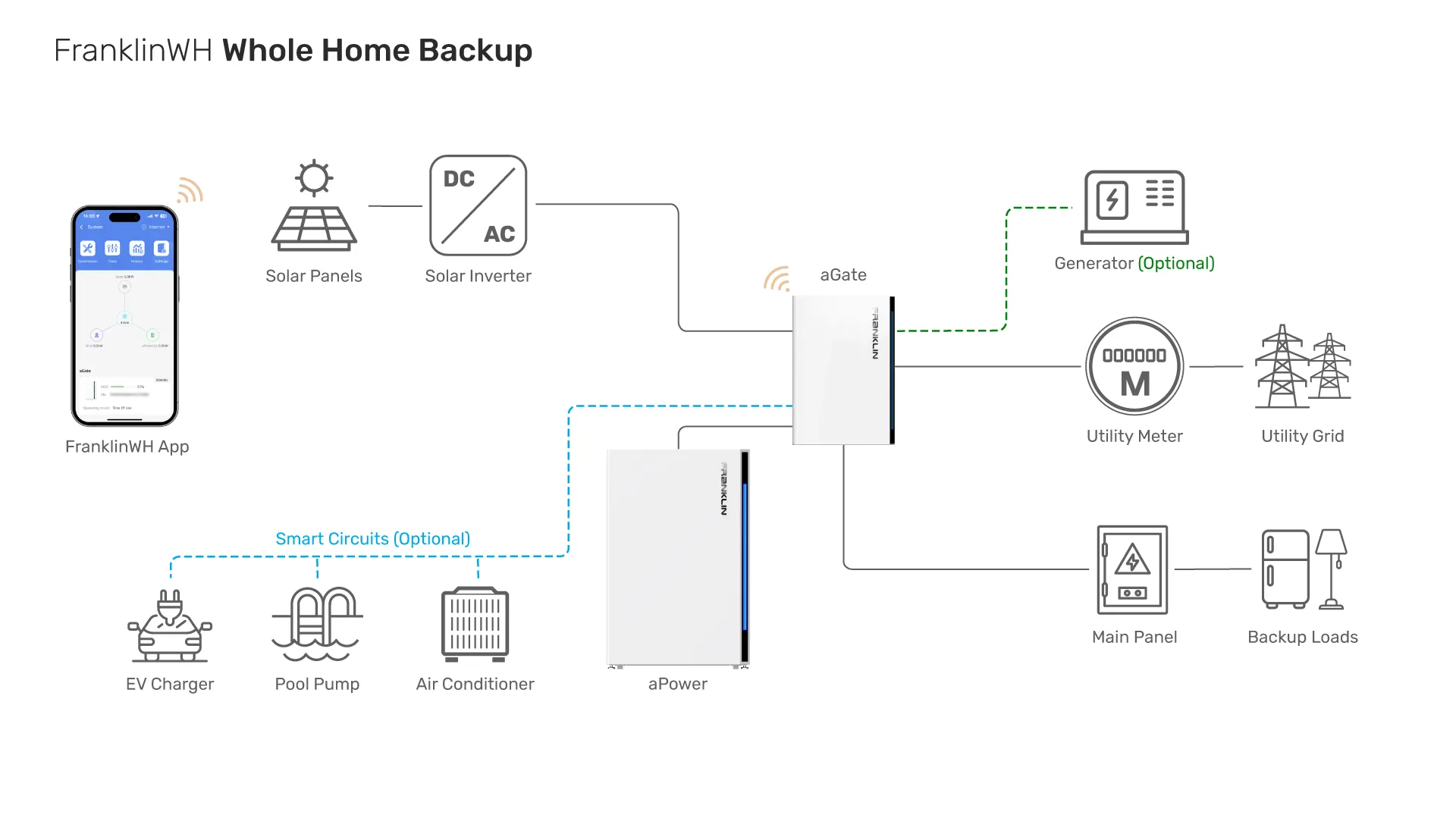
Whole-home backup is the version buyers usually imagine. In plain language, it means the backup system is designed to support the home through the main or backup panel, not just a tiny emergency subpanel.
What it does not mean:
- every large load can run at once
- runtime will be long just because the whole house is connected
- EV charging, electric resistance heat, pool equipment, ovens, and air conditioning are all harmless during an outage
Whole-home backup is mostly a wiring and system-architecture decision first, then a power and runtime decision second.
Partial-home backup
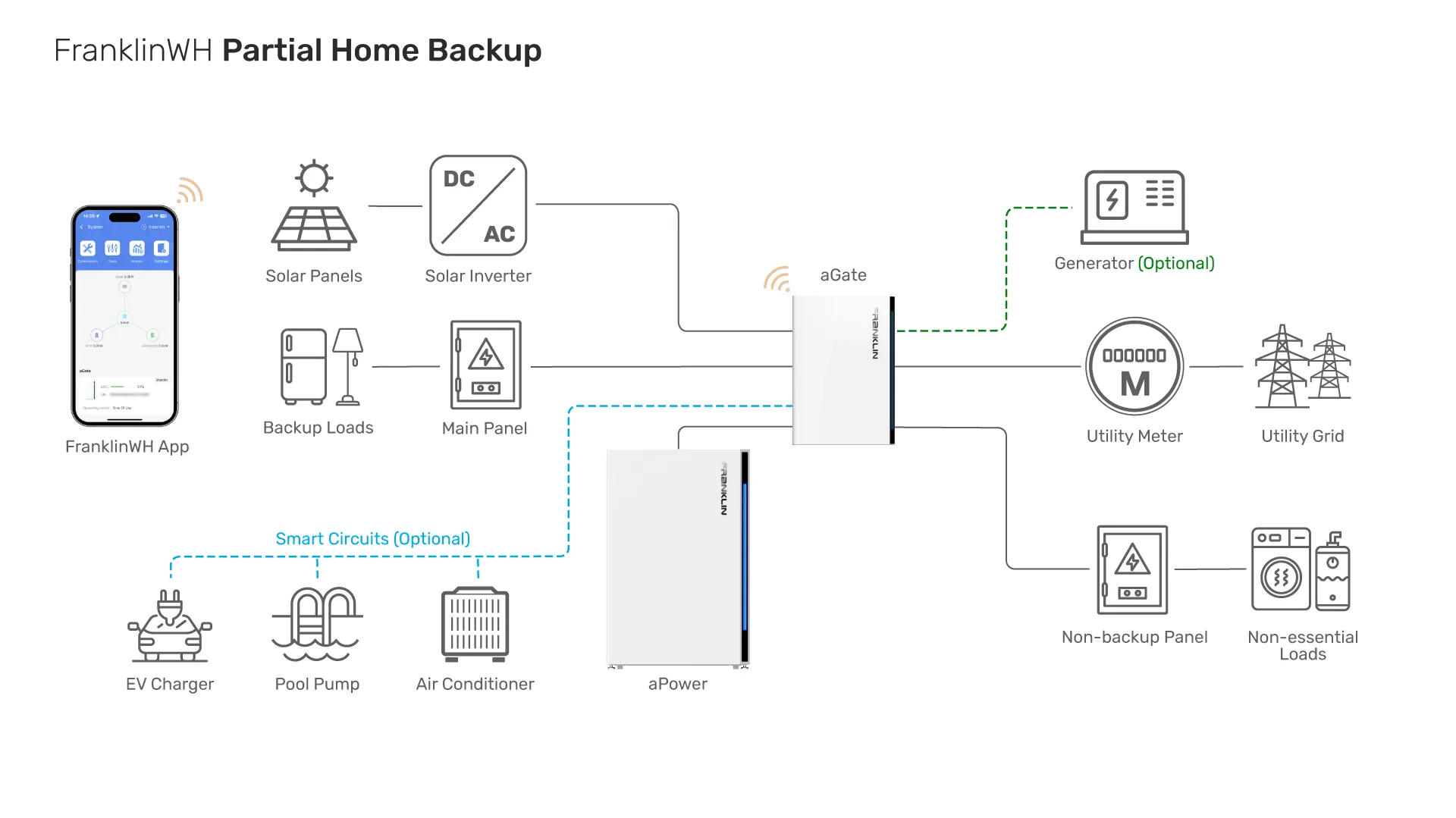
Partial-home backup is often the more honest and more cost-effective answer.
This is the version where you back up the circuits that matter most during an outage, such as:
- lights
- refrigerator
- router
- a few outlets
- garage door
- selected kitchen loads
FranklinWH explicitly describes this as backing up the critical loads you choose, while non-essential loads stay off when the grid fails. For many households, this is the smarter first target because it protects comfort and food safety without pretending the battery should run the house exactly as normal.
Output power matters as much as stored energy
This is the part many buyers miss.
Battery capacity in kWh tells you how much energy is stored. Output power in kW tells you how much the system can deliver at once. For blackout backup, both matter.
An official example from Enphase makes this clear. The IQ Battery 5P is listed with:
- 5.0 kWh usable energy
- 3.84 kW continuous power
- 7.68 kW peak power for 3 seconds
- backup capability when installed with IQ System Controller 3 or 3G
Those numbers matter because a battery can have enough stored energy to last overnight for light loads, but still struggle if too many heavy loads start together.
sonnen makes the same point from the other direction. In its outage guidance, it says the inverter inside the battery has a limited size, and if household loads exceed that capability, the system can disable the microgrid briefly and retry before eventually shutting off if the overload continues.
That is why backup design is not just about “How many kWh do I buy?” It is also about:
- what starts at the same time
- which loads have high surge demand
- whether air conditioning, pumps, or resistance heating are included
- whether your installer has actually sized the backed-up panel correctly
A battery can run out much faster than people expect
Backup marketing usually makes buyers think in days. Real systems make you think in load profile.
Use this only as an illustrative example:
| Usable battery energy | Average backup load | Rough runtime before losses and reserve settings |
|---|---|---|
| 10 kWh | 500 W | about 20 hours |
| 10 kWh | 1 kW | about 10 hours |
| 10 kWh | 2 kW | about 5 hours |
That is why the same battery can feel excellent in one home and disappointing in another.
A refrigerator, lights, router, and a few plugs can be manageable. Add a big electric water heater, central cooling, or several cooking loads, and the picture changes fast.
FranklinWH says a single aPower battery can start most standard appliances and even many larger loads, but it also recommends multiple batteries for prolonged backup. That is the right framing. Starting a load and sustaining a house through a long outage are not the same job.
Solar can recharge the battery during an outage, but only in the right setup
This is the second big misunderstanding.
Many buyers assume: “If I have solar and a battery, I will just recharge during the blackout.”
Sometimes that is true. Sometimes it is only partly true.
sonnen’s outage guide gives one of the clearest explanations:
- if PV is available, it can power home loads and charge the battery
- if the battery reaches a high state of charge while PV is still producing, the system can curtail PV by adjusting frequency
- if the battery runs out and no PV is available, it will enter standby and try to wake later to see whether PV can recharge it
That is useful because it shows the real rule: solar recharge during an outage is a controlled microgrid function, not a generic promise attached to every solar-plus-battery quote.
The practical takeaway is simple:
- ask whether your system supports off-grid solar recharge
- ask how it behaves when the battery is near full
- ask what happens if the battery reaches minimum state of charge overnight
- ask whether the backup logic is automatic or needs manual mode changes before a storm
Three realistic blackout-backup setups
Setup 1: Critical-load backup only
Best fit:
- homeowners who mainly want lights, refrigeration, internet, and a few sockets
- buyers who care about outage resilience more than “whole-home” marketing language
- homes where central AC or large resistance loads are not realistic battery loads
This is often the cleanest first answer.
Setup 2: Whole-home backup with managed loads
Best fit:
- homes that want a more seamless outage experience
- buyers willing to size the system around both power and runtime
- households that understand some discretionary loads may still need manual control
This is stronger than critical-load backup, but it still works best when the house is managed carefully during an outage.
Setup 3: Backup plus solar recharge strategy
Best fit:
- outage-prone locations
- homes with daytime solar production that can support off-grid recharge
- buyers who understand that midday load shifting can protect nighttime runtime
This is where the battery starts acting more like an outage-management system than a simple stored-energy box.
If that is your path, read How to Use Excess Solar at Home in 2026: EV Charging, Hot Water, Battery, or Pool Pump? and How to Read Smart Meter Interval Data Before You Buy Solar or a Battery in Australia (2026).
What catches buyers out most often
- They buy for capacity and ignore output power.
- They hear “whole-home backup” and assume “whole-home normal lifestyle.”
- They assume solar will always recharge the battery cleanly during an outage.
- They do not decide which loads matter most before getting quotes.
- They forget that EV charging, electric water heating, large ovens, and central cooling are some of the fastest ways to empty backup energy.
- They never ask what happens when the battery reaches minimum charge overnight.
This is why blackout-backup buying is closer to system design than to normal appliance shopping.
What to ask before you accept a quote
- Which loads will actually be backed up when the grid fails?
- Is this a whole-home backup design or a partial-home backup design?
- What is the continuous output power, not just the battery capacity?
- Can the solar system continue charging the battery during an outage?
- What happens if the battery empties overnight?
- Is there a storm or emergency mode that changes reserve behavior before bad weather?
- Which large loads should stay off during backup operation?
If you are still comparing battery size and product fit, the next useful reads are What Size Home Battery Do I Need in Australia? A Practical 2026 Guide, Best Home Batteries for Solar Homes in Australia (2026): 3 Batteries Worth Shortlisting, and Tesla Powerwall 3 vs BYD Battery-Box vs SAJ B2 HV in Australia (2026): Which Battery Fits Your Home Best?.
Bottom line
A home battery can absolutely improve blackout resilience, but only the right system design gives useful backup in the real world.
The best way to think about it is:
- partial backup is often the most practical answer
- whole-home backup is a design choice, not a guarantee of unlimited runtime
- solar recharge during outage is possible in some systems, but it needs the right control architecture
- output power and load selection matter just as much as stored energy
If a quote cannot tell you exactly what stays on, for how long, and what the system does when the battery gets low, it is not a serious backup quote yet.
Sources
- Enphase: IQ Battery 5P
- FranklinWH: How FranklinWH System Works
- sonnen: How sonnen helps you weather power outages