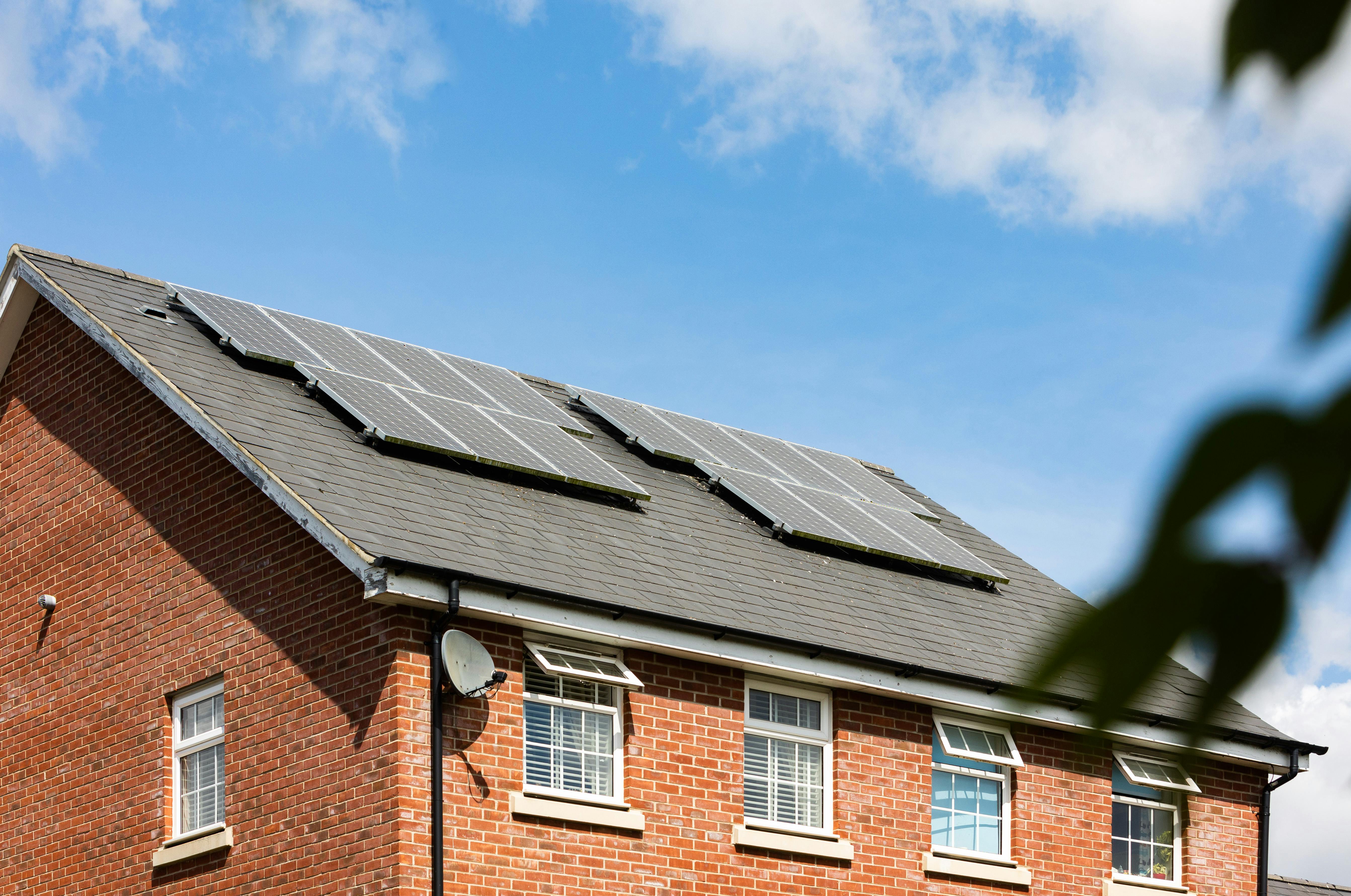
If you want the short answer first, use this rule: the best use of excess solar is usually the load you already own and can reliably move into solar hours. For many homes that means electric hot water first. For EV households, it can mean daytime EV charging first. A pool pump is worth shifting if you already have a pool. A battery usually makes more sense only after you have checked whether those simpler daytime loads can already absorb most of the surplus.
The framework here is broader than one country. Tariffs, export rules, and incentives change by market, but the order of operations usually does not: use more solar directly first, then decide whether storage is still worth paying for.
That is why the real question is not “battery or no battery?” The better question is: what is the cheapest, cleanest, lowest-friction way to stop exporting low-value solar and buying back expensive electricity later?
The order that usually makes the most financial sense
For most solar homes, the order looks like this:
- Shift the flexible loads you already have into solar hours.
- Use a programmable hot water system if you have one, especially a heat pump or electric-boosted solar hot water system.
- Charge an EV in daytime if the car is actually home while the solar system is exporting.
- Set a pool pump to run during the day if your home has a pool.
- Add a battery only if a meaningful midday surplus still remains or if backup and tariff timing add extra value.
That order is not universal, but it is a much better starting point than “buy a battery first.”
The numbers that actually matter
| Option | Useful data point | Why it matters in the real decision |
|---|---|---|
| Electric hot water | Water heating is usually 15% to 30% of household energy use in Australia | A large existing load that many homes can shift without adding a battery |
| Heat pump hot water | Heat pumps use about 30% of the electricity of a conventional electric hot water system | Better chance of staying inside daytime solar output instead of dragging in extra grid power |
| EV charging | Around 80% of reported EV charging in Australia happens at home | A home EV can become your biggest flexible load if it is parked there in solar hours |
| Dedicated EV charger | Typical home chargers are 7 to 22 kW and can add about 30 to 80 km of range per hour | An EV can absorb a lot of excess solar, but only if the car and charger are available at the right time |
| Pool pump | In homes with a pool, the pump can account for up to 18% of household energy use | A timer change can be useful if the pool exists already, but it is not a reason to buy a new device |
| Battery | Typical household battery capacity is 4 to 14 kWh and lithium-ion storage loses about 10% through charge/discharge | Batteries solve a real problem, but they cost more and waste a little energy compared with direct daytime self-use |
The table above is why the best answer changes from house to house. Hot water, EV charging, and pool pumps are all ways of turning solar electricity into useful work before paying for storage.
Start with the loads you already own
The Australian Government’s solar guidance is blunt on this point: the best way to save money is to use more of the electricity generated by your solar system and less from the grid. It specifically recommends running appliances during the day and even calls out pool pumps, electric vehicles, and electric hot water as daytime candidates.
That matters because direct self-use usually beats export. The Western Australian Government makes the same point in plainer economic language: shifting daytime use means you avoid the cost of importing electricity later, which saves more money than a buyback credit usually provides.
So before adding new hardware, start here:
- run timers on the loads you already have
- check what your inverter or meter says about midday export
- see whether those loads can soak up the surplus first
If you cannot see import, export, and self-use clearly enough, read How to Read Smart Meter Interval Data Before You Buy Solar or a Battery in Australia (2026) and Best Smart Energy Meters for Solar Homes in 2026: 5 Practical Picks.
Hot water often wins earlier than people expect
Hot water is not the flashiest answer, but it is often the most practical first move.

There are 3 reasons:
- It is already a big load. Government guidance says water heating is usually the second-largest segment of household energy use, around 15% to 30%.
- It behaves like cheap thermal storage. You are not storing electricity as electricity. You are storing it as hot water you were going to need anyway.
- Many systems are programmable. The smart homes guidance says hot water systems can be programmed to heat when rooftop solar is generating, when heat pump efficiency is best, or when electricity prices are lowest.
This is why hot water can beat a battery as a first step. The upfront change is often smaller, the logic is simpler, and the value comes from a load you already have.
The catch is important: if you are on a controlled load tariff, or if the hot water system is a large resistive unit that can easily draw more than your solar output, the answer can change. That is why tariff fit still matters. If that is your next question, read Best Tariff for Solar Homes in Australia (2026): Time-of-Use vs Flat Rate.
EV charging is the biggest sink, but only if the car is there
EV charging is the most obvious “soak up solar” answer, and for the right household it is absolutely the best one.
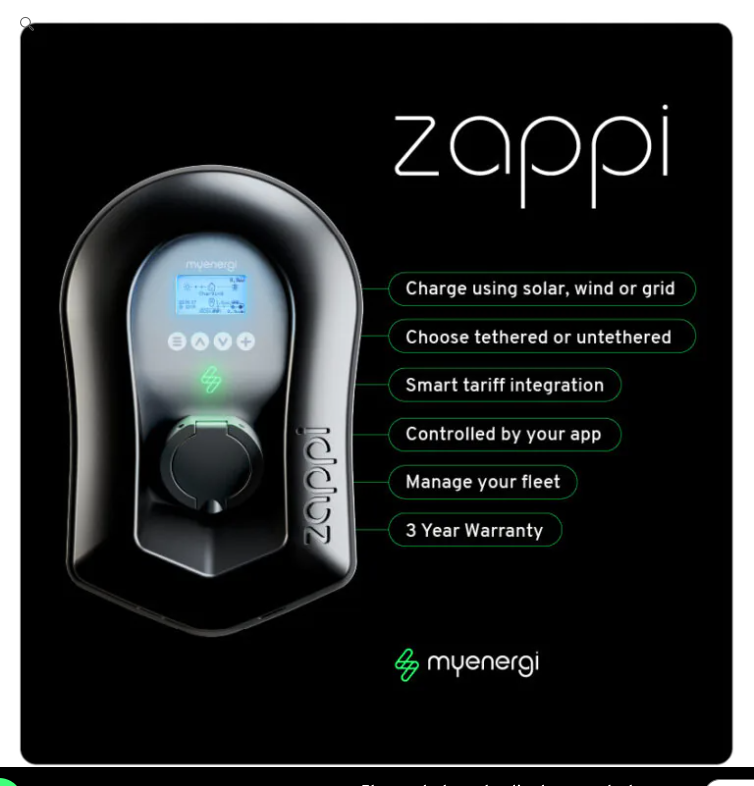
The government EV guidance says:
- about 80% of reported EV charging in Australia happens at home
- the average Australian drives about 33 km a day
- dedicated home chargers are usually 7 to 22 kW
- those chargers can add roughly 30 to 80 km of range per hour
That is why EV charging can beat every other option in raw absorption. An EV can swallow a lot more midday solar than a pool pump or a hot water cycle.
But EV charging only wins if the car is actually home while the system is exporting. If the EV is gone all day and charges overnight, then the best next move might still be hot water first, a better tariff, or eventually a battery.
If your household is already comparing EV timing choices, read Charge Your EV With Solar or Off-Peak in Australia? What Actually Saves More in 2026 and Best EV Chargers for Solar Homes in 2026: 3 Smart Chargers Worth Shortlisting.
Pool pumps are niche, but real
Pool pumps get ignored because they are not universal. But if your house has a pool, they are real enough to matter.
Government solar guidance specifically says to set the pool pump timer to run during the day. Western Australia’s energy guidance also points to timers on pool pumps as a way to shift load into the solar-rich middle of the day. YourHome adds a useful reminder: in homes with a pool, the pump can account for up to 18% of household energy use.
This means:
- if you already have a pool, a timer change can be a useful solar move
- if you do not have a pool, this is not a reason to create a new daytime load
- if the pool pump is older and inefficient, its daytime timing matters, but efficiency still matters too
Pool pumps are not the first answer for most homes. They are a strong answer only for the subset of homes that already own them.
Battery comes later than the marketing suggests
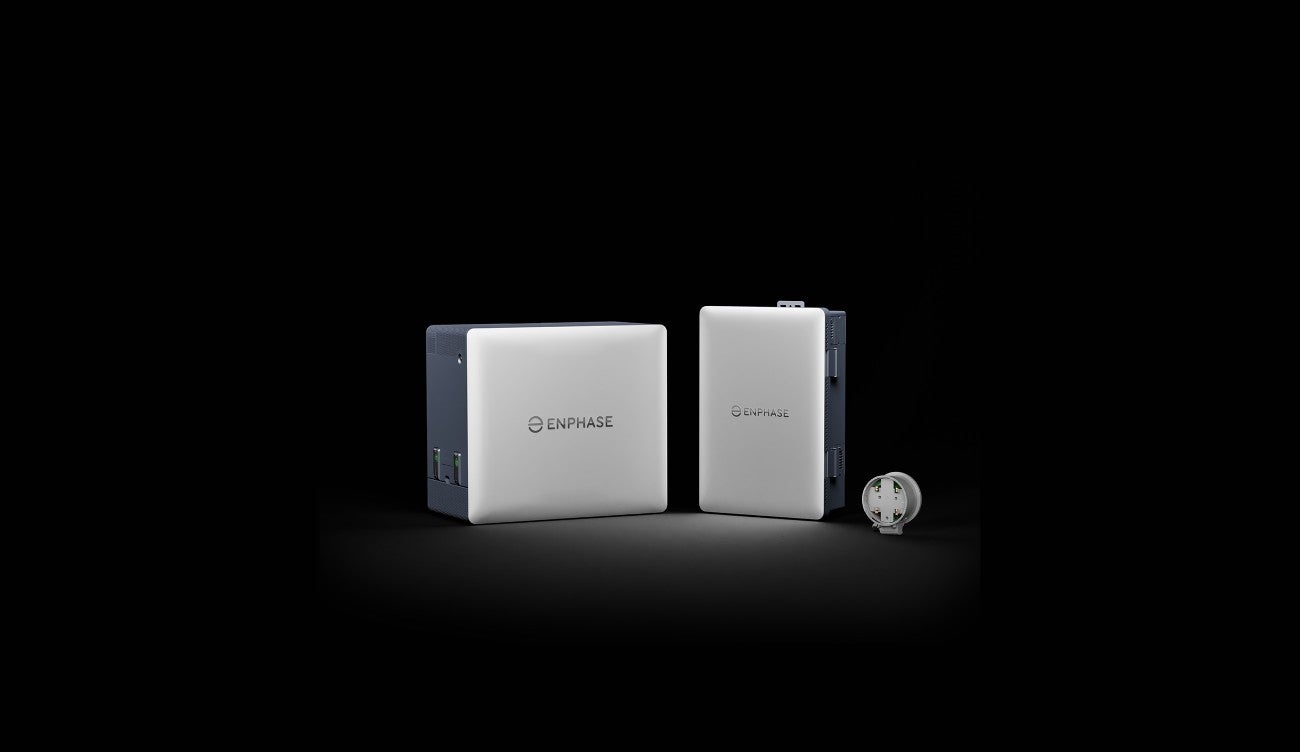
Batteries do solve a real problem. The government batteries guide says a battery stores excess solar for later use, can reduce curtailment, and can reduce the need to buy electricity from the retailer. Under the national program, battery support is still being designed to maintain around a 30% discount across a range of system sizes.
But the same official guidance also says two things homeowners tend to skip over:
- a battery is only useful if you actually have excess electricity to store
- the savings may not be enough to pay for the battery within its warrantied lifetime
That is the part marketing material often hides. A battery is not the best use of excess solar if:
- the midday surplus is small
- the house could already move hot water or EV charging into solar hours
- export is modest but not painful
- the real problem is still tariff choice or weak monitoring
It becomes more compelling when:
- export limits are active
- the household still has a big recurring midday surplus after timed loads
- evening imports are strong and repeatable
- backup value matters as well as bill savings
If that is your situation, the best next reads are Solar Export Limits in Australia (2026): When a Home Battery Starts Making More Sense, What Size Home Battery Do I Need in Australia? A Practical 2026 Guide, and Best Home Batteries for Solar Homes in Australia (2026): 3 Batteries Worth Shortlisting.
A simple 5 kWh midday-surplus example
Use this only as an illustrative example, not as a live tariff quote.
Assume a household has 5 kWh of excess solar in the middle of the day. Also assume:
- importing electricity later would cost about 30 c/kWh
- exporting that solar would earn about 8 c/kWh
That means each kWh you self-use instead of exporting is roughly worth the gap between those two numbers: about 22 c/kWh in this example.
Here is why the order matters:
| Option | What happens to the 5 kWh | What the value depends on |
|---|---|---|
| EV charging | Solar goes straight into kilometres you were going to buy later from the grid | The car must be home during solar hours |
| Hot water | Solar becomes stored heat you were going to pay for anyway | The system must be programmable and not drag too much extra grid import |
| Pool pump | Solar offsets a load that would otherwise run later or on grid power | Only useful if the home already has a pool |
| Battery | Solar is stored for later, but some energy is lost in the charge/discharge cycle | You need repeat surplus, repeat evening demand, and enough bill value to justify the capital cost |
This is the core logic of the page. Direct daytime self-use usually beats stored later-use until the remaining surplus is large enough and regular enough to justify storage.
When the order changes
The default order is useful, but not universal.
Start with EV first if:
- the EV is often parked at home in solar hours
- the household drives enough for daytime charging to matter
- you already have, or are willing to install, a smart charger or scheduling workflow
Start with hot water first if:
- you have no EV at home in the day
- the hot water system is programmable
- the home has significant water-heating demand
- you want a lower-cost first move before thinking about a battery
Start with battery first only if:
- a meaningful surplus still remains after the timed loads
- export value is weak or export limits are painful
- evening imports are large and consistent
- you also care about backup, tariff arbitrage, or VPP participation
Let the pool pump move up the list if:
- your home already has a pool
- the pump schedule is flexible
- the daytime solar window is long enough for the circulation requirement
The practical checklist before you spend money
- Check whether your monitoring already shows midday export clearly enough.
- Check which daytime loads already exist before you price new hardware.
- Check whether your hot water system is programmable and what tariff it currently sits on.
- Check whether the EV is physically home when the excess solar exists.
- Check whether the pool pump can simply be retimed before you buy anything else.
- Check whether a battery quote still makes sense after the timed daytime loads have been modelled properly.
Bottom line
For most homes, the best use of excess solar is not “buy the battery first.” It is to move the flexible daytime loads you already have into solar hours, then see what surplus is left.
That usually means:
- hot water first for many non-EV homes
- EV charging first for homes where the car is around in daytime
- pool pump timing as a useful niche move for pool households
- battery later when the remaining surplus and evening imports are both large enough to justify it
That order is better for bills, better for readability, and better for decision quality than treating every excess-solar question as a battery question.
Sources
- Australian Government: Get the most from your solar system
- Australian Government: How to charge your electric vehicle
- Australian Government: Smart homes
- Australian Government: Batteries
- Department of Climate Change, Energy, the Environment and Water: Cheaper Home Batteries Program
- Australian Government: Hot water systems
- YourHome: Appliances and technology
- Government of Western Australia: Information for consumers - emergency solar management