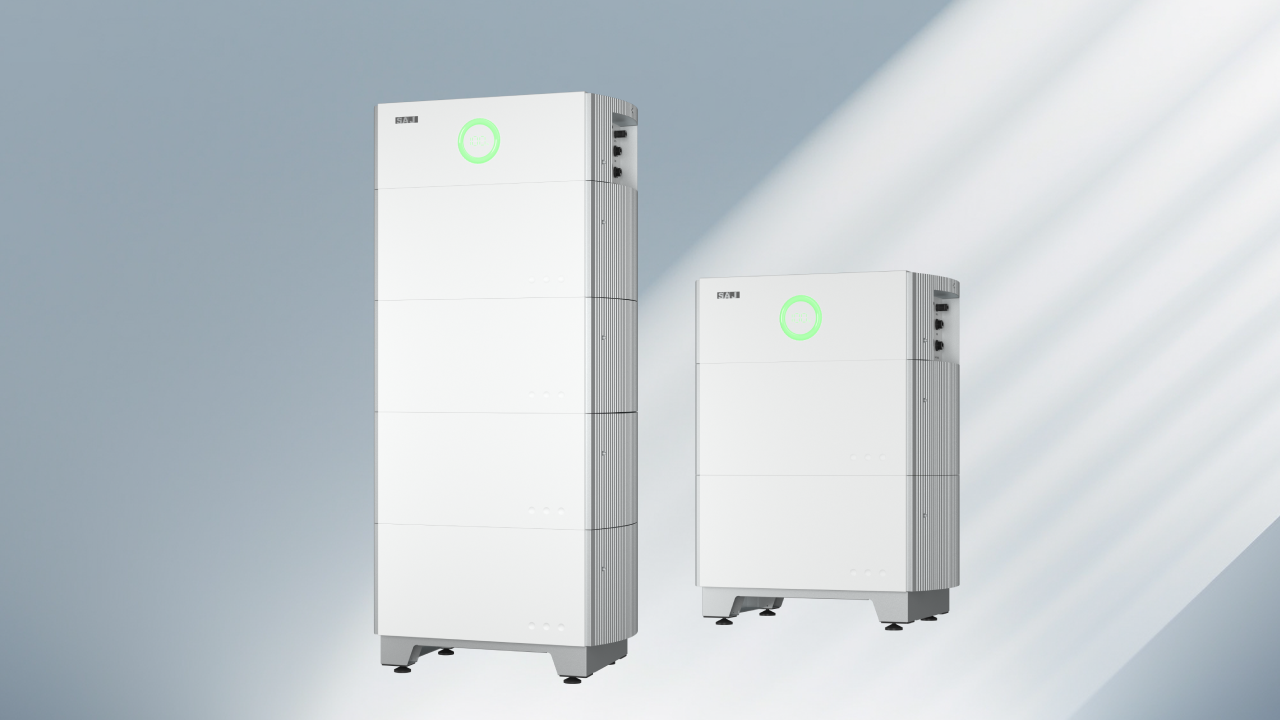
A home battery starts making more sense when your solar system regularly has more electricity than you can use, more than you can export, and the cheapest next step is no longer simple daytime load shifting.
That is the short answer.
An export limit does not automatically mean you should buy a battery tomorrow. But it does change the economics. Once excess solar is being curtailed instead of earning even a modest feed-in credit, the value of storing that energy at home becomes easier to justify, especially if your evening imports are still expensive.
If you want the fast version:
| If your home looks like this | Battery starts to make more sense? | Why |
|---|---|---|
| Export limit is low, daytime exports are often clipped, evening imports are still high | Often yes | Stored solar can offset electricity you would otherwise buy later |
| Export limit is low, but you can still shift hot water, EV charging, or pool loads into the day | Not always yet | Self-consumption may rise enough without storage |
| Small solar system with little excess generation | Usually no | There may not be enough surplus to store in the first place |
| Feed-in tariff is weak and you are on a time-of-use plan with expensive evening power | Often yes | Battery value rises when self-use beats export by a wide margin |
| You mainly want backup power, not bill savings | Maybe, but this is a different decision | Backup value and savings value are not the same thing |
Jump to your case
- What an export limit actually means
- When a battery starts to make financial sense
- When a battery is still not the best first move
- Three real-world household examples
- Before you buy a battery, check these 6 things
What an export limit actually means
The Australian Government explains the issue plainly.
When your rooftop solar system is generating more electricity than your home is using, the excess is usually exported to the grid. But if your system has an export limit agreed with the network, anything above that limit is curtailed. In other words, it is wasted, and you do not get paid for it.
That changes the normal solar logic.
In a simple solar-only home, surplus generation usually has three possible outcomes:
- you use it yourself,
- you export it for a feed-in credit,
- or, if export is capped, some of it gets curtailed.
The reason export limits matter is that self-consumption is usually worth more than export. The Australian Government says this clearly as well: feed-in tariffs are typically a lot lower than the rates you pay to buy electricity from the grid. That means each kilowatt-hour you use yourself is usually worth more than each kilowatt-hour you send out.
So once exports are being capped, the question changes from:
“Can I sell my excess solar?”
to:
“Can I use this excess solar better at home?”
Why export limits make batteries more attractive
The battery case gets stronger for a simple reason: it creates a fourth path for excess solar.
Without a battery, solar above your export limit is just curtailed.
With a battery, some of that energy can be stored and used later.
The Australian Government says a battery can:
- store energy generated by your solar system for later use,
- reduce electricity bills,
- reduce curtailment if you have an export limit,
- increase solar self-consumption,
- and increase self-sufficiency.
That is the practical value proposition. A battery is not only about backup power or fancy energy independence language. In export-limited homes, it can convert solar that would have been wasted into electricity you use after sunset.
The same government guidance also makes an important limitation clear: a battery is only useful if you actually have excess electricity to store. If the solar system is small or your daytime usage already absorbs most of the generation, storage may not be the right next buy.
When a battery starts to make financial sense
A battery starts looking more rational when several of these conditions are true at the same time:
1. You are regularly hitting the export limit
If the system only clips occasionally, the lost value may be too small to justify storage. But if the home is repeatedly producing more than it can use and more than it can export, the wasted energy starts to become a real financial problem.
2. Evening imports are still expensive
This is the big one. If your household still buys a meaningful amount of electricity after sunset, stored daytime solar can replace that imported power later.
The value gets stronger if:
- grid import rates are high,
- your evening load is consistent,
- or your tariff makes peak-period electricity noticeably expensive.
This is where yesterday's tariff article connects directly:
3. Your feed-in tariff is weak
If exported solar only earns a small credit, there is less reason to treat export as the best use of your surplus generation. Once that low-value export is also limited, the case for storing excess solar becomes stronger again.
4. You have already done the cheap self-consumption moves
This matters more than people think.
If the home has not yet tried:
- running appliances during solar hours,
- shifting hot water,
- timing a pool pump,
- or charging an EV in the day,
then the first dollars may still be better spent on timers, scheduling, or monitoring rather than storage.
The Australian Government specifically recommends using electric appliances when the solar system is generating electricity and notes that EV charging, pool pumps, heating, cooling, and some hot water loads can often be moved into daylight hours.
5. You have enough excess generation to keep a battery busy
A battery does not create extra solar. It only stores what is already there.
So the better question is not “Would a battery be useful?” It is:
“Do we have enough repeatable surplus generation, after daytime household use, to charge it often enough?”
If the answer is no, the battery may still help with backup, but it is harder to justify on bill savings alone.
When a battery is still not the best first move
Export limits make batteries more attractive, but not every export-limited home should start there.
Sometimes the better first move is one of these:
Shift more load into the day
For many homes, the cheapest way to improve self-consumption is still behavioral or low-cost automation:
- hot water timers,
- EV charging during solar hours,
- pool pump scheduling,
- dishwasher, laundry, and dryer timing,
- pre-cooling or pre-heating during daylight hours.
If these changes can absorb most of your clipped solar, the battery decision can wait.
Improve visibility first
Many homeowners assume they have a severe export-limit problem, but do not actually know:
- how often clipping is happening,
- how much energy is being curtailed,
- how much power is still being bought in the evening,
- or whether daytime loads could absorb more solar first.
That is a monitoring problem before it is a battery problem.
These pages are the right next read if you are still blind on that part:
- Solar Monitoring System Australia: What Homeowners Should Buy in 2026
- Best Smart Energy Meters for Home Solar in 2026
Your solar system may be too small
The Australian Government explicitly notes that a battery does not make sense for a small rooftop solar system if there is not enough excess electricity to store.
This is an easy mistake to make. People sometimes see “export limit” and assume it automatically means “lost value everywhere.” In reality, a small system may only hit the limit briefly, and not often enough to justify a battery on savings alone.
Three real-world household examples
| Household | Better first step | Why |
|---|---|---|
| Case A: 6.6 kW solar, no battery, export cap, family mostly out by day, high evening imports | Battery starts to make sense | There is clipped daytime solar and expensive evening demand to offset |
| Case B: 6.6 kW solar, export cap, EV parked at home most days, electric hot water can be timed | Try daytime load shifting first | Daytime EV charging and hot water may absorb surplus more cheaply than storage |
| Case C: Small solar system, low daytime surplus, no consistent clipping | Battery usually not first | There may not be enough excess solar to justify storage for savings |
These examples are exactly why “Do I have an export limit?” is the wrong question on its own.
The better question is:
“What would my excess solar otherwise do, and what is the cheapest way to use it better?”
Batteries are not only about self-consumption
There are a few extra reasons a battery can look better in export-limited homes.
The Australian Government says batteries can also:
- reduce peak demand,
- take advantage of time-of-use tariffs,
- participate in a virtual power plant,
- and provide backup power if configured to do so.
Those benefits should be treated separately.
If you buy a battery mostly because:
- you want blackout backup,
- you want future VPP income,
- or you want tariff arbitrage on time-of-use pricing,
then the battery decision is no longer only about export limits. Export limits may strengthen the case, but they are not the whole story.
Before you buy a battery, check these 6 things
If you are export-limited and thinking about storage, check these before spending money:
How often clipping really happens
Not just whether the installer mentioned an export cap, but how often real solar is being curtailed.How much evening grid import you still have
A battery saves the most when it can replace electricity you would otherwise buy later.Whether your feed-in tariff is low enough that self-use clearly wins
This is often true, but you still want to see the numbers on your own plan.Whether you can absorb surplus solar with cheaper changes first
EV scheduling, hot water timing, appliance timers, and better monitoring can move the answer.Whether your solar system is actually large enough
If there is not enough surplus energy to store, battery payback gets much weaker.Whether you want backup or just bill savings
These are different buying decisions and should not be blended together.
If you are comparing the broader storage economics, this is still the most relevant follow-up:
Bottom line
Solar export limits do not automatically mean a battery is worth buying. They do mean the battery case gets stronger once excess solar is being curtailed instead of earning even a low-value export credit.
For most homes, a battery starts to make more sense when:
- surplus solar is regularly clipped,
- evening imports are still meaningful,
- feed-in value is weak,
- and the easy self-consumption gains have already been used.
If those conditions are not in place, timers, EV charging, hot water control, or better monitoring may still be the better first move.
The best question is not “Do I have an export limit?” It is:
“What is the cheapest way to stop my excess solar from becoming wasted value?”
Sources
- Australian Government, How solar pays for itself and batteries reduce bills
- Australian Government, Batteries
- Australian Government, Get the most from your solar system
- Australian Government, Electricity pricing plans and tariffs
- Clean Energy Council, Rooftop solar and storage report - July to December 2025