Will a Home Battery Save You Money With Solar?
A home battery sounds like an easy upgrade: store your extra solar during the day, use it at night, lower your bills, and keep the lights on during outages. Sometimes that is exactly how it works. Sometimes it is not.
Whether a battery saves money depends less on the battery itself and more on the rules around your electricity bill. The households that benefit most usually have one or more of these conditions:
- high evening electricity prices,
- weak compensation for exported solar,
- frequent outages,
- or a strong local incentive that lowers the upfront cost.
If none of those apply, a battery may still be attractive for resilience, but the financial case can be much weaker.
What a battery actually changes
Without a battery, most homes with solar do a simple trade:
- solar power produced during the day is used in the house first,
- any extra power is exported to the grid,
- and the home buys electricity back later when solar production falls.
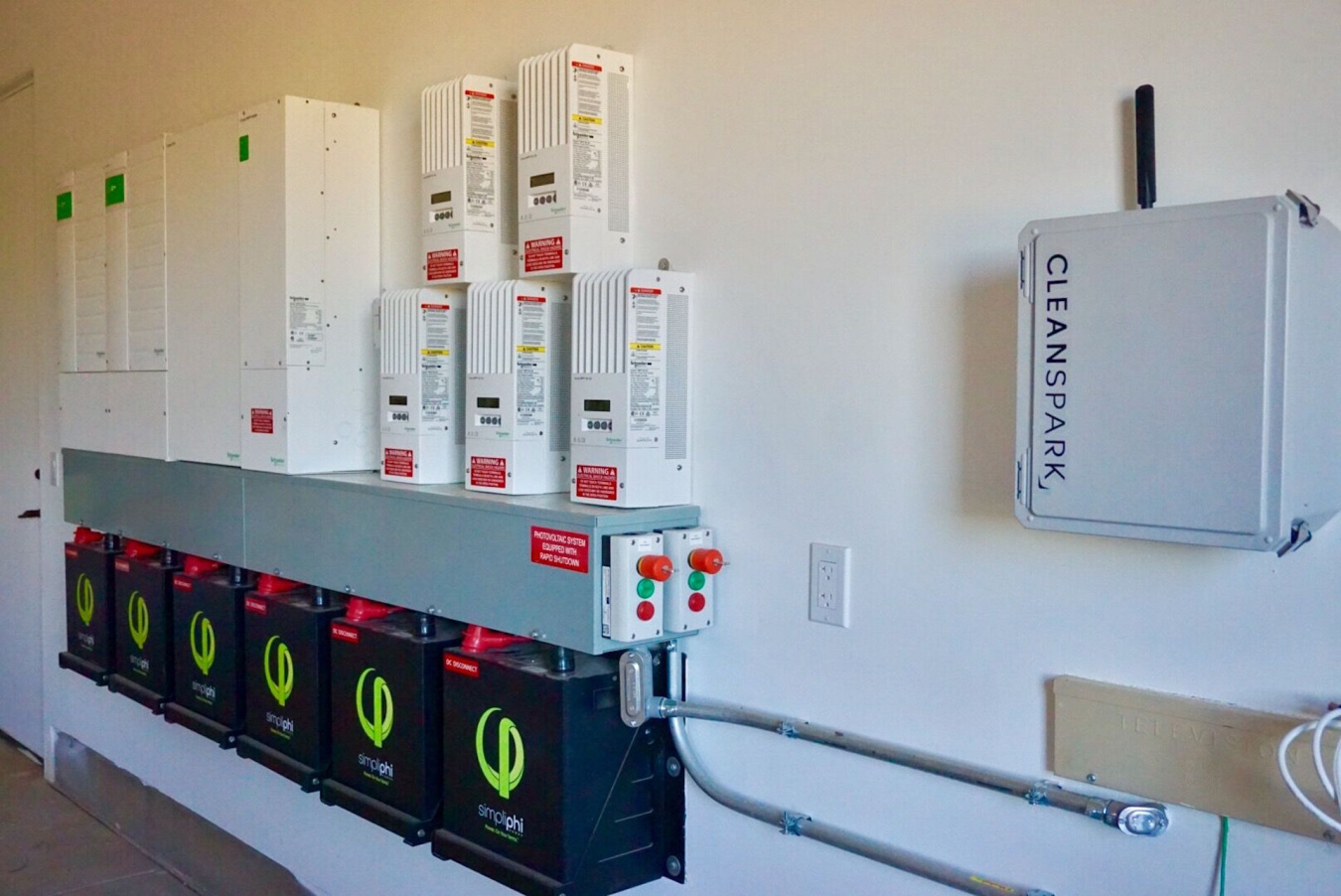
A battery changes that pattern. Instead of sending all spare solar to the grid, you can keep some of it and use it later in the evening. The U.S. Department of Energy notes that solar-plus-storage lets households use daytime generation later instead of relying entirely on the grid when demand and prices are often higher.
That matters most when your utility charges more in the evening than in the middle of the day.
When a home battery is more likely to save money
1. You are on a time-of-use tariff
Time-of-use pricing is one of the clearest battery use cases. If daytime electricity is relatively cheap and evening electricity is expensive, a battery lets you move your own solar generation into the costly hours.
In plain terms, you are avoiding expensive imported power later by using stored power you already generated earlier.
2. Your export rate is low
Some households discover that exported solar is worth much less than imported electricity. In that case, a battery can improve the value of your solar because more of your own generation stays in the home instead of being sold cheaply.
This is often one of the biggest reasons batteries look more attractive now than they did under older net-metering rules.
3. Backup power matters in your area
Batteries are not only about bill savings. The DOE also points out that solar-plus-storage can keep power available regardless of time of day or weather when the grid is down.
If outages are frequent, or if your household cares about refrigeration, medical equipment, internet uptime, or simply not losing power on stormy nights, that resilience has real value even when the pure payback math is not perfect.
4. Incentives reduce the upfront cost
A battery looks very different at full price than it does after a tax credit, rebate, or local storage incentive. In the United States, the federal residential clean energy credit can materially reduce system cost, and DSIRE is one of the best places to check what state and local incentives are available by ZIP code.
When a battery may not save much money
A battery is often less compelling when:
- your utility still offers strong net metering,
- you pay a flat electricity rate all day,
- your household has very low evening consumption,
- or outages are rare and short.
In those situations, exporting excess solar may already be good enough. The battery may still feel nice to have, but the savings story is usually weaker.
The simple homeowner math to check first
Before saying yes to storage, look at these numbers:
1. Your current evening usage
How much electricity do you actually buy after sunset? If your evening demand is small, the battery may not cycle enough to justify its cost.
2. Your export credit versus import rate
If your utility pays very little for exported solar but charges much more for imported evening power, storage starts to make more sense.
3. Installed cost after incentives
The final number matters far more than the brochure price. A battery with a healthy incentive can move from "interesting but hard to justify" to "worth a serious look."
4. Likely annual savings
DOE guidance on solar savings is a useful reminder here: real savings always depend on your roof, local rates, energy use, financing, and incentive structure. A battery is no different. The right question is not whether batteries save money in general. It is whether your tariff and usage pattern create enough yearly value.
5. Payback expectations
If the installer cannot explain expected yearly savings in simple terms, treat that as a warning sign. You should be able to understand what the system is expected to save, what assumptions are being used, and how much of the value comes from backup power versus bill reduction.
Tools worth using before you buy
You do not need perfect modelling before getting quotes, but a few tools can make the conversation much better:
- PVWatts can help estimate likely solar production for your roof and location.
- DSIRE can help you check local incentives and policy support.
- Your own utility tariff documents can show whether evening pricing and export rules make storage more attractive.
Even one hour spent checking those inputs can save you from buying the wrong system size or expecting savings that are too optimistic.
So, is a battery worth it?
For some homes, absolutely. A battery often makes the most sense when three things line up:
- the household has solar or is installing it now,
- the tariff rewards shifting energy into the evening,
- and backup power is worth something beyond a spreadsheet.
For other homes, it may be smarter to install solar first, live with the system for a year, and add storage later once you understand your export pattern and actual evening demand.
Bottom line
A home battery is not an automatic money saver. It is a tool that becomes valuable under the right utility rules and household habits. If your evening electricity is expensive, your export credit is weak, or outages are a genuine problem, the case for storage gets much stronger. If not, solar on its own may still deliver the better return today.
The most sensible next step is simple: check your tariff, estimate your solar output, look up local incentives, and ask the installer to show the battery savings in plain numbers rather than marketing language.
Sources
- U.S. Department of Energy: Should I Get Battery Storage for My Solar Energy System?
https://www.energy.gov/eere/solar/articles/should-i-get-battery-storage-my-solar-energy-system - U.S. Department of Energy: Will I Save Money with Solar Energy?
https://www.energy.gov/eere/solar/articles/will-i-save-money-solar-energy - U.S. Department of Energy: Solar Energy and Storage Basics
https://www.energy.gov/eere/solar/solar-integration-solar-energy-and-storage-basics - PVWatts Calculator
https://pvwatts.nrel.gov/ - DSIRE incentive database
https://www.dsireusa.org/