If you want the short answer first, use this rule: smart meter interval data matters because it shows when you still need grid electricity, not just how much you used last quarter. Before you buy solar or a battery, timing matters more than the total bill number.
That is the practical value. If your imports are already concentrated in solar hours, a solar system is easier to justify. If your imports are concentrated after sunset, battery logic gets more interesting, but only after you understand whether future solar will actually create export to store.
| What you see in the data | Usually points to | Why it matters |
|---|---|---|
| Strong daytime use | Solar fit is stronger | More solar can be used directly on site |
| Heavy 6pm-10pm imports | Battery deserves a closer look | Solar alone will not touch many after-dark kWh |
| Broad overnight load | Tariff or appliance timing may matter first | A battery can chase the wrong problem |
| Big weekday/weekend difference | Size for the real occupancy pattern | One average curve can hide too much |
Jump to your case
- I want to know what interval data actually is
- I want to judge solar fit first
- I want to judge battery fit first
- I want practical household examples
- I want the pre-quote checklist
The short answer
For most homes, interval data is the cleanest way to stop guessing. It tells you whether the house already uses meaningful power in solar hours, whether the expensive part of the load happens after sunset, and whether the real first fix is solar, battery, tariff strategy, or load shifting.
If you can only do one prep step before talking to installers, do this: pull at least a few representative weeks of interval data and look separately at daytime use, evening imports, and overnight base load.
What interval data actually is
The Australian Government's solar sizing guidance says that, if possible, you should get 12 months of interval data from your distribution network service provider before sizing a system. That guidance also notes that SunSPOT can use interval data for more detailed analysis.
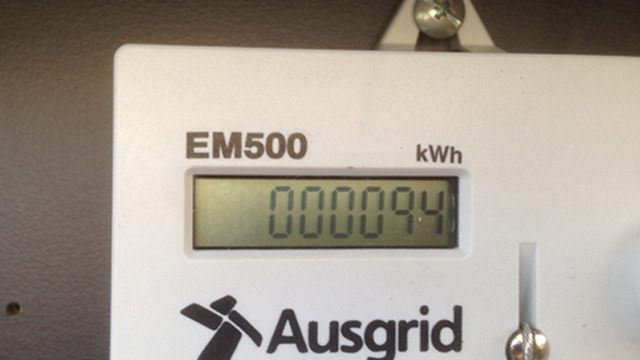
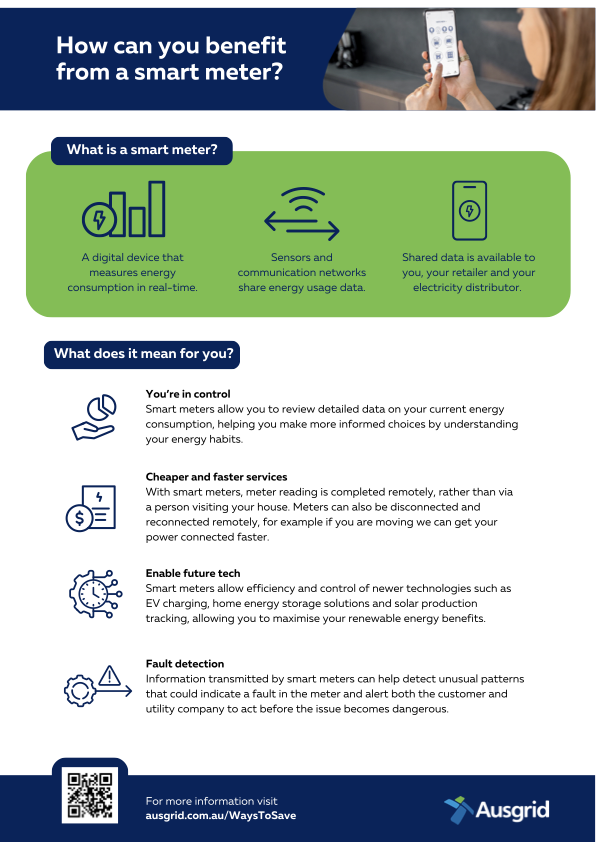
Ausgrid's meter guidance gives a good plain-English description of what many households actually receive: 30-minute interval kWh data from interval or smart meter readings. Ausgrid also says customers can request up to two years of metering data, while noting that raw data can be harder to read than what a retailer portal shows.
That is the key point for homeowners: the useful asset is not the meter screen itself. It is the downloadable usage history behind it.
A simple way to read it before you buy anything
Do not start with one average daily total. Start with windows:
- Mark the solar window.
In most practical homeowner reviews, that means roughly
10am-3pm. - Mark the evening import window.
This is usually the
6pm-10pmblock that drives battery conversations. - Mark the overnight base-load window. This is where you spot EV charging, hot water, pool pumps, or a home that simply uses a lot of power all night.
Then compare at least:
- weekdays versus weekends
- a warmer period versus a cooler period
- work-from-home days versus empty-house days, if that difference exists for your home
The government advice to collect a full year is the right direction. Do not size solar or battery from one unusual month if you can avoid it.
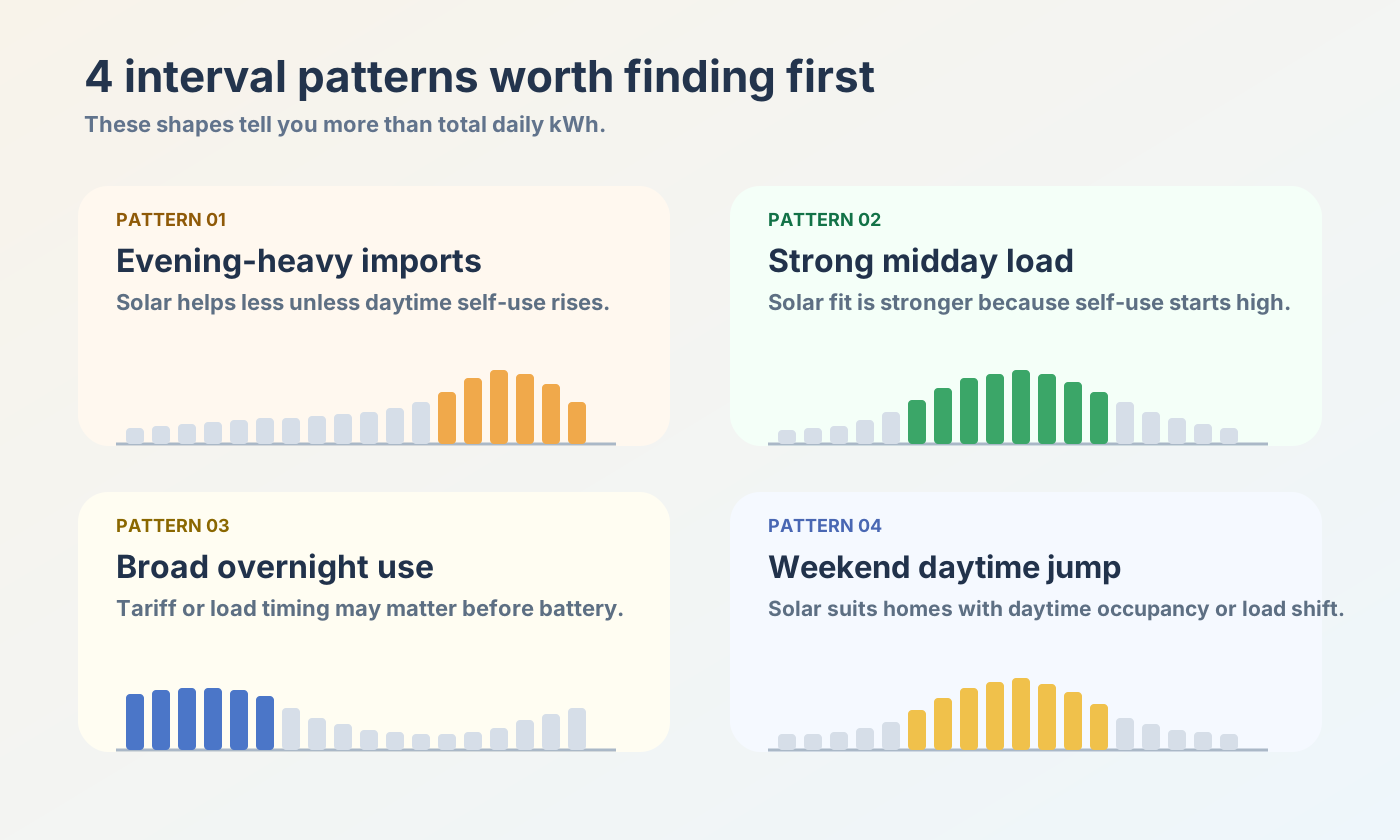
What good solar-fit interval data looks like
Smart meter interval data usually points more clearly to solar first when you see these signals:
- repeat daytime demand across normal weekdays or weekends
- meaningful use around late morning and early afternoon
- shiftable loads that can move into solar hours later, such as EV charging, hot water, or pool equipment
- a home pattern where some people are already present in the day
This is why interval data is better than bill totals. Two homes can both use 20 kWh a day, but one uses a lot of it in daylight and the other uses almost all of it after dark. Those homes should not get the same advice.
If you are also comparing tariffs, read Best Tariff for Solar Homes in Australia (2026): Time-of-Use vs Flat Rate.
What makes battery-fit data look stronger
Interval data usually makes the battery case look stronger when you see:
- repeated imports after sunset, especially through the evening peak
- a likely path where solar would create export before dinner and imports after dinner
- a home that is already trying to increase self-consumption because export value is weak
- backup expectations that matter alongside bill savings
But this is where people still make a mistake: heavy evening imports do not automatically mean "buy a battery now."
If the house has weak daytime solar fit, or if the biggest load is really overnight EV charging on a decent off-peak tariff, interval data may still point you toward solar first, tariff changes, or load shifting before storage.
If export limits or low feed-in value are part of the problem, read Solar Export Limits in Australia (2026): When a Home Battery Starts Making More Sense. If you are already close to buying storage, read What Size Home Battery Do I Need in Australia? A Practical 2026 Guide.
Three quick household patterns
Case A: work-from-home household with steady daytime load
The interval graph already shows real use in solar hours. This is usually the easiest case for solar first because self-consumption starts from a better place.
Case B: empty house in the day, high imports from dinner to bedtime
This is the classic case where people jump straight to battery quotes. The better reading is: solar may still come first, but battery only starts to look strong if daytime solar would otherwise spill into export.
Case C: EV or hot water can be moved
Here the interval data is useful because it shows the current shape, but you should not pretend the future shape is fixed. If charging or heating can move into solar or off-peak windows, the best answer may change quickly.
What interval data cannot tell you on its own
Interval data is powerful, but it is still incomplete.
By itself, it usually cannot tell you:
- which exact appliance caused each spike
- whether an old inverter or appliance fault is part of the problem
- how much future export a new solar system would create without a proper generation estimate
- whether a battery quote is oversized relative to the recurring evening import pattern
That is why interval data should be the starting point, not the whole design.
If your goal is broader monitoring rather than quote prep, read Do You Need a Smart Meter for Solar Monitoring in Australia? and Best Smart Energy Meters for Home Solar in 2026.
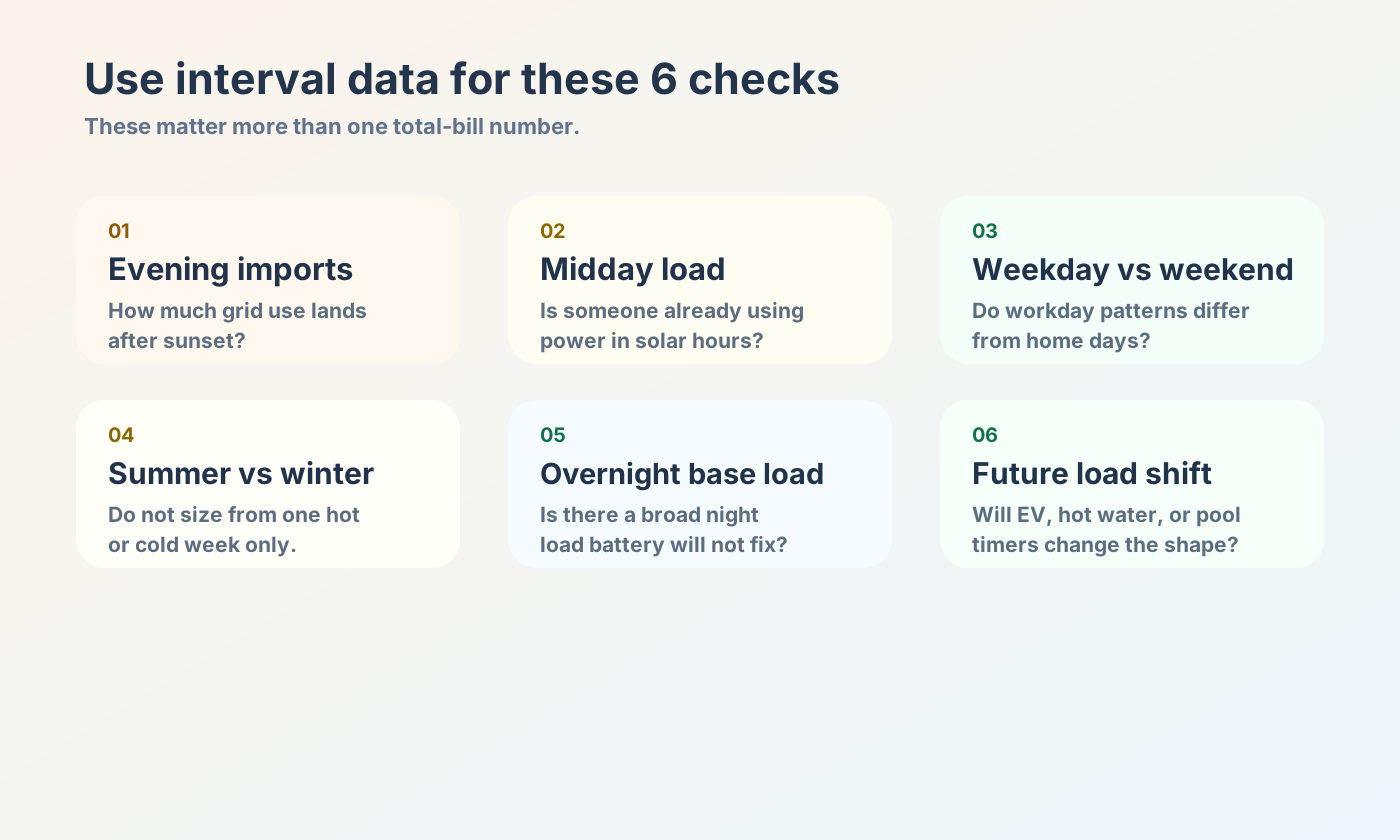
Before you ask for quotes, check these 6 things
- Check how much grid import repeats after sunset, not just the daily total.
- Check whether there is already meaningful daytime load to soak up solar generation.
- Check whether weekdays and weekends look different enough to change the recommendation.
- Check whether summer and winter patterns tell different stories.
- Check whether the overnight load is broad and flat, which can point to tariff or appliance-timing issues.
- Check whether future EV charging, hot water control, or pool timing will reshape the load anyway.
Bottom line
Before you buy solar or a battery, use interval data to read the shape of the problem. That shape tells you whether the home already suits solar, whether a battery has a real job to do, and whether load shifting or tariff strategy should come first.
The wrong way to do this is to size from one quarterly bill. The better way is to pull interval data, separate solar hours from evening imports, and look at how the pattern changes across normal weeks and seasons.
Sources
- Australian Government: Size your solar system
- Australian Government: Monitor your solar system
- Ausgrid: How to read a meter
- Ausgrid: Optimising your smart meter usage
- Ausgrid: Access your meter data