
Most home EV charging schedules only need one clear goal: buy the cheapest useful energy without waking up to an undercharged car. In practice, that means most homes do best with one of three patterns: an overnight off-peak schedule, a solar-first daytime schedule, or a split schedule that uses both.
If your car is only home at night, do not force a solar-heavy routine just because you have panels. If the car regularly sits at home through the middle of the day and your export value is modest, solar charging usually deserves first priority. If your week changes between office days, work-from-home days, and weekend driving, a split schedule is usually the least frustrating option.
| Your real pattern | Best default schedule | Why it usually works |
|---|---|---|
| The car gets home in the evening and leaves the next morning | Overnight off-peak | Simple, repeatable, and usually the cheapest imported energy |
| The car is often parked at home from late morning to mid-afternoon | Solar-first | Turns surplus generation into driving energy instead of pushing it back to the grid |
| Some days are daytime-home days and some are not | Split schedule | Guarantees a minimum overnight top-up while still using solar when it is available |
Start with parking time, not charger features
The U.S. Alternative Fuels Data Center notes that most EV charging happens at home. That matters because your real advantage is not fancy automation on paper. It is having a schedule your home can repeat most days without manual intervention.
That is also why a lot of “smart charging” disappointment has nothing to do with the charger. People buy solar-aware hardware, then discover the car is rarely home when solar is strong. Or they build a complex daytime schedule when their cheapest reliable window is still overnight. Australia's energy guidance also points out that overnight charging can help households use off-peak pricing where it is available.
So start with three questions:
- When is the car actually parked and plugged in?
- How much energy do you normally need back before the next drive?
- Is your cheaper electricity window more reliable overnight, during solar hours, or both?
If you are still choosing hardware, see Best EV Chargers for Solar Homes in 2026. If you are unsure whether a normal home charger is already fast enough for this strategy, read Is a 7 kW EV Charger Enough for Home Use in 2026?.
Schedule 1: Overnight off-peak for normal commuting
This is the right default for more homes than people expect. If the car comes home in the evening, stays plugged in overnight, and leaves in the morning, start here.
Use a simple rule:
- start charging shortly after your cheaper tariff window opens
- stop before the off-peak window ends, or once your target state of charge is reached
- avoid charging to 100% every night unless your next drive actually needs it
This schedule is usually best for:
- commuters who park at home overnight but not during solar hours
- households on time-of-use tariffs with a clean overnight low-rate window
- drivers who want predictable charging without watching weather or solar graphs
It is also the easiest schedule to live with. No midday dependency. No wondering whether clouds ruined the plan. No half-manual weekend rescue routine.
If your real question is whether off-peak is actually cheaper than solar charging in your specific setup, follow that through in Charge Your EV With Solar or Off-Peak? What Actually Saves More.
Schedule 2: Solar-first for daytime parking
Solar-first charging only works when the car is really there to absorb solar. That sounds obvious, but it is where a lot of households overestimate the value of a solar-aware charger.
This is the better default schedule when:
- the car is regularly parked at home from late morning into the afternoon
- exported solar is paid poorly relative to imported electricity
- other daytime loads are already under control, so EV charging is one of the best remaining sinks for excess generation
The operating rule is simple:
- open a charging window around the part of the day when solar output is usually strongest
- keep the charger in solar-aware or low-export mode if your hardware supports it
- use a fallback overnight top-up only when the next day requires more energy than solar is likely to provide
This schedule is strongest for work-from-home drivers, second cars that sit at home on weekdays, and weekend charging routines. It is much weaker for households that only see the car after sunset.
If you are trying to rank EV charging against other uses for surplus generation, also read How to Use Excess Solar at Home in 2026.
Schedule 3: The split schedule for mixed weeks
This is the schedule most solar homes eventually end up liking the most.
Instead of trying to pick one perfect rule for every day, you split the job:
- guarantee a small overnight minimum so the car is never awkwardly low the next morning
- allow daytime solar top-ups when the car is home
- lean harder on solar on weekends or work-from-home days
This works well when your routine changes from day to day. It is also a strong choice for households that want savings without living inside the charger app.
What that usually looks like in practice:
- set a modest overnight target that covers the next day's routine driving
- let solar-aware charging take over when daytime parking happens
- use a manual one-off boost only before unusually long trips
That split approach is often more durable than trying to maximise solar every day. It accepts that weekday reliability and weekend optimisation are not the same job.
How much energy a 7 kW home charger adds in a real charging window
For schedule planning, rough charging-window math is more useful than brochure peak numbers. A nominal 7 kW home charger does not need to run all night to restore meaningful energy.
| Charging window | Approximate energy added at 7 kW | Good enough for |
|---|---|---|
| 2 hours | about 14 kWh | a light top-up or short next-day driving |
| 4 hours | about 28 kWh | most normal weekday recovery needs |
| 6 hours | about 42 kWh | heavy commuting days or catch-up charging |
The AFDC notes that Level 2 charging is the common home setup when drivers want faster and more practical overnight charging. That is why many households do not need a more aggressive schedule at all. They simply need a correct one.
Features that make a charging schedule easier to live with
Not every charger needs deep automation, but some features make scheduling materially better:
- target-time or departure-time charging
- a clean recurring schedule by weekday
- solar-surplus or eco charging modes
- a temporary boost button for unusual days
- visibility into how many kilowatt-hours were actually added
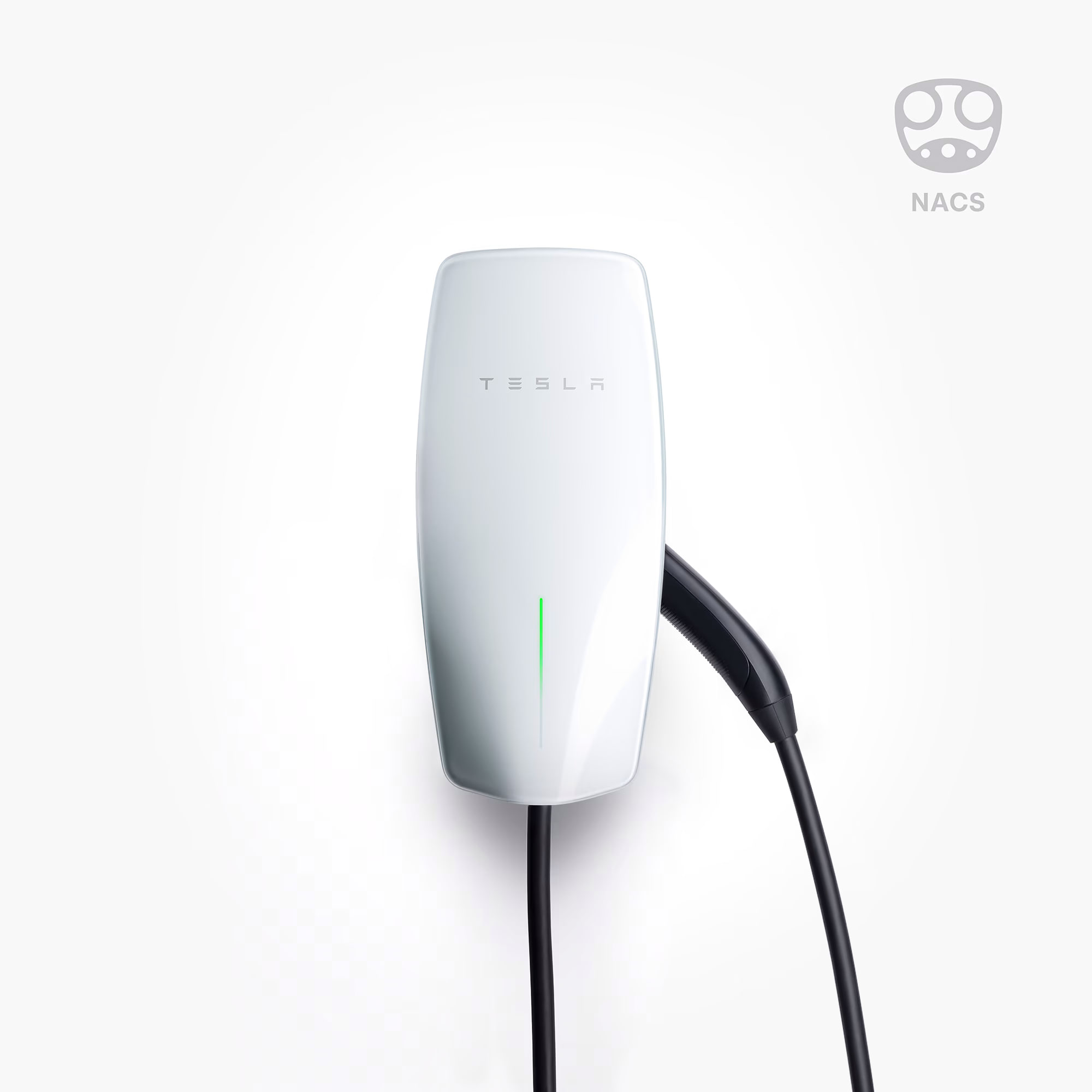
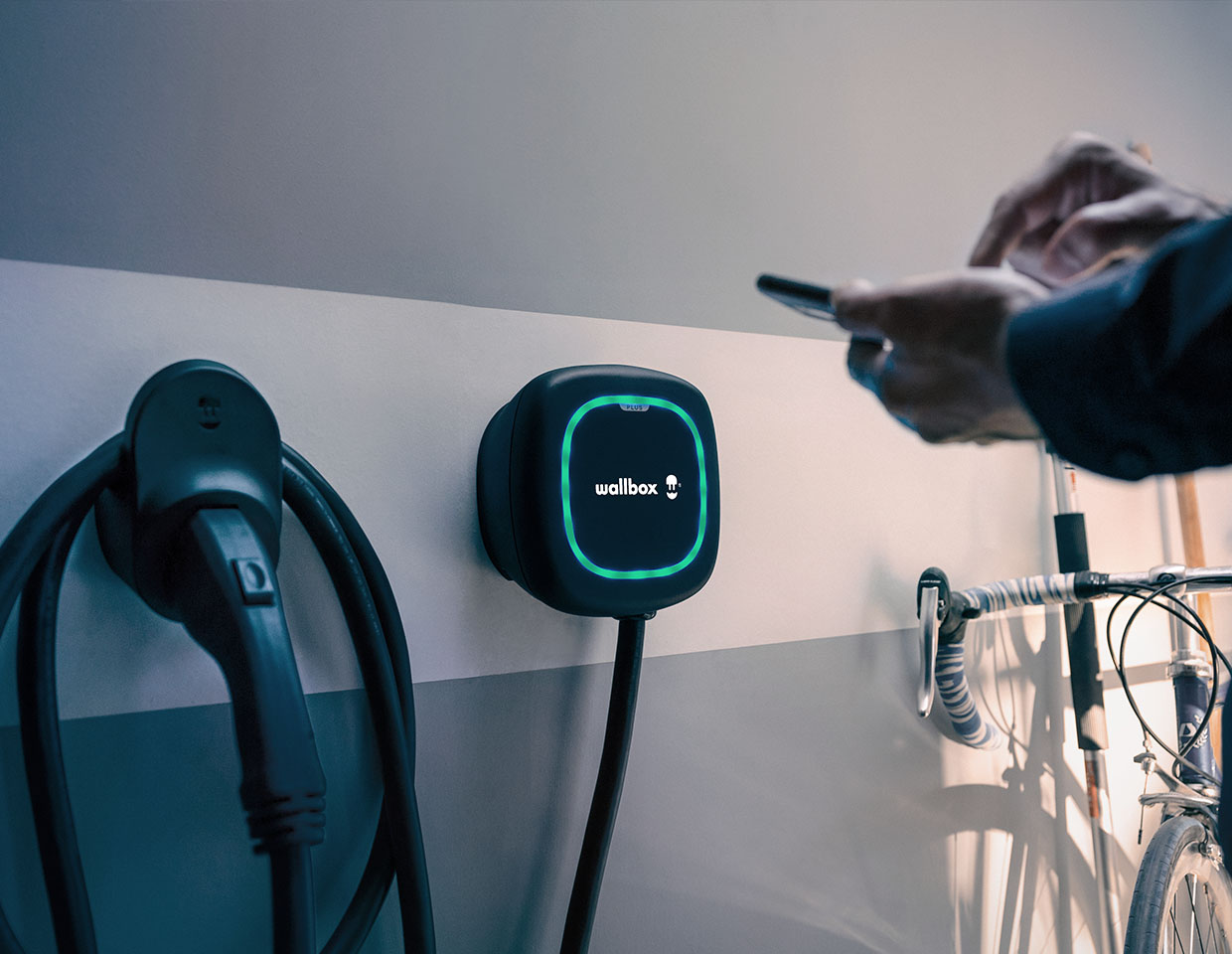
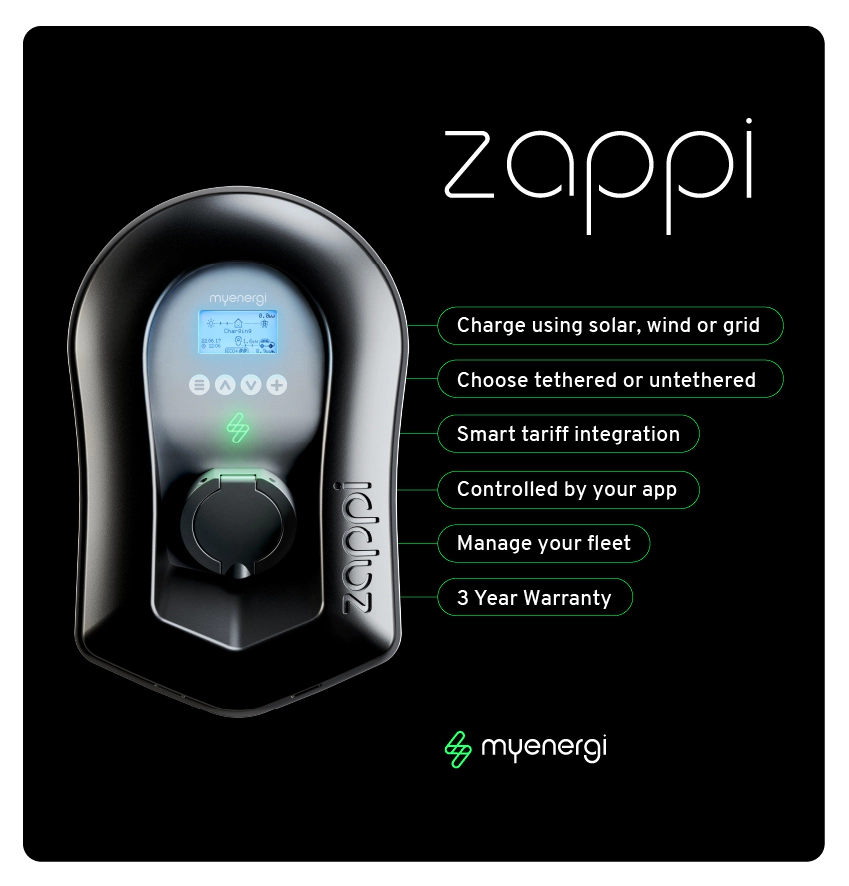
That is also why the best charger for schedule control is not always the cheapest charger. If solar-aware charging matters, myenergi zappi and Wallbox Pulsar Plus are easier fits than a very basic timer-only unit. If you just want simple overnight charging with minimal setup, Tesla Wall Connector can still be enough.
The mistakes that usually make schedules feel worse than they should
The wrong schedule is often obvious only after a week or two. These are the mistakes that show up most often:
- using a solar-first schedule even though the car is rarely home in solar hours
- charging to a higher nightly target than normal driving actually needs
- forcing the cheapest tariff window even when the car is unplugged during half of it
- forgetting that other big loads can still compete with EV charging
- changing the schedule too often instead of reviewing one full week of behaviour
If your tariff itself may be the problem, check Best Tariff for Solar Homes in Australia (2026): Time-of-Use vs Flat Rate for the Australia-specific tariff angle.
Set your first workable schedule tonight
Do not start with maximum cleverness. Start with a version that is hard to fail.
- Check how much energy you normally need back for the next day.
- Choose the schedule that matches when the car is actually parked, not when you wish it was parked.
- Run that schedule for a full week before you optimise it.
- Review imported charging energy, missed solar opportunities, and any mornings where charge level felt too low.
- Only then add solar-first logic, split scheduling, or one-off boosts.
That process is less exciting than building a perfectly automated routine on day one, but it usually gets to a better answer faster.