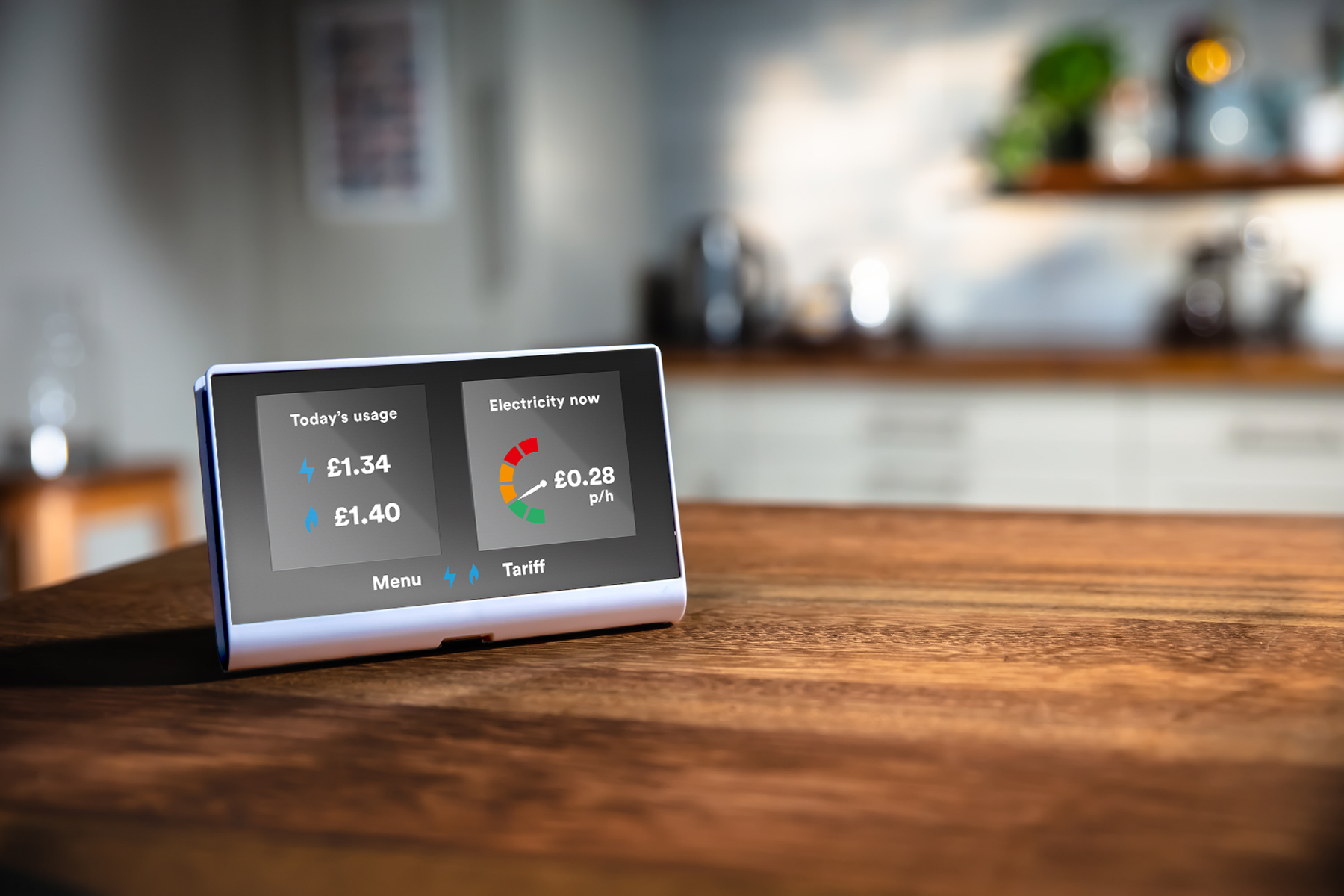
If you want the short answer first, here it is: a smart meter can lower your bill indirectly, not automatically. It helps when it shows you when you use expensive electricity, unlocks time-based tariffs, or helps a solar, battery, or EV household shift load into cheaper or more valuable hours. If nothing about your tariff or your behaviour changes, the meter alone does not create savings.
| Your situation | When a smart meter helps most | What usually matters even more |
|---|---|---|
| Flat-rate home | You use the live data to cut waste or spot billing issues | Your retail plan |
| Time-of-use home | You can move EV charging, hot water, or laundry into cheap hours | How much load can actually move |
| Solar home | You can see whether midday generation is being used on site or exported cheaply | Load shifting and tariff fit |
| Solar + battery or EV home | You can control charging and high loads around peak and off-peak windows | Automation and full bill structure |
Jump to your case
- I just want to know if smart meters save money at all
- I am on a time-of-use or flexible tariff
- I have solar, a battery, or an EV
- I want quick household examples
- I want the checklist before I switch or install
- I want to know what changes by country
The short answer
For most households, a smart meter is not a savings product on its own. It is a visibility and tariff-enablement tool. That distinction matters.
The strongest savings cases usually look like one of these:
- you are billed on peak and off-peak periods, and you can move meaningful usage
- you have solar and need to know whether midday self-use is strong or weak
- you have an EV, electric hot water, or another controllable load
- you want to avoid estimated bills and work from real interval data instead
If your home has a simple flat-rate plan, no large shiftable load, and no intention to change how power is used, a smart meter may improve visibility more than it improves the bill.
What a smart meter can do that an old meter cannot
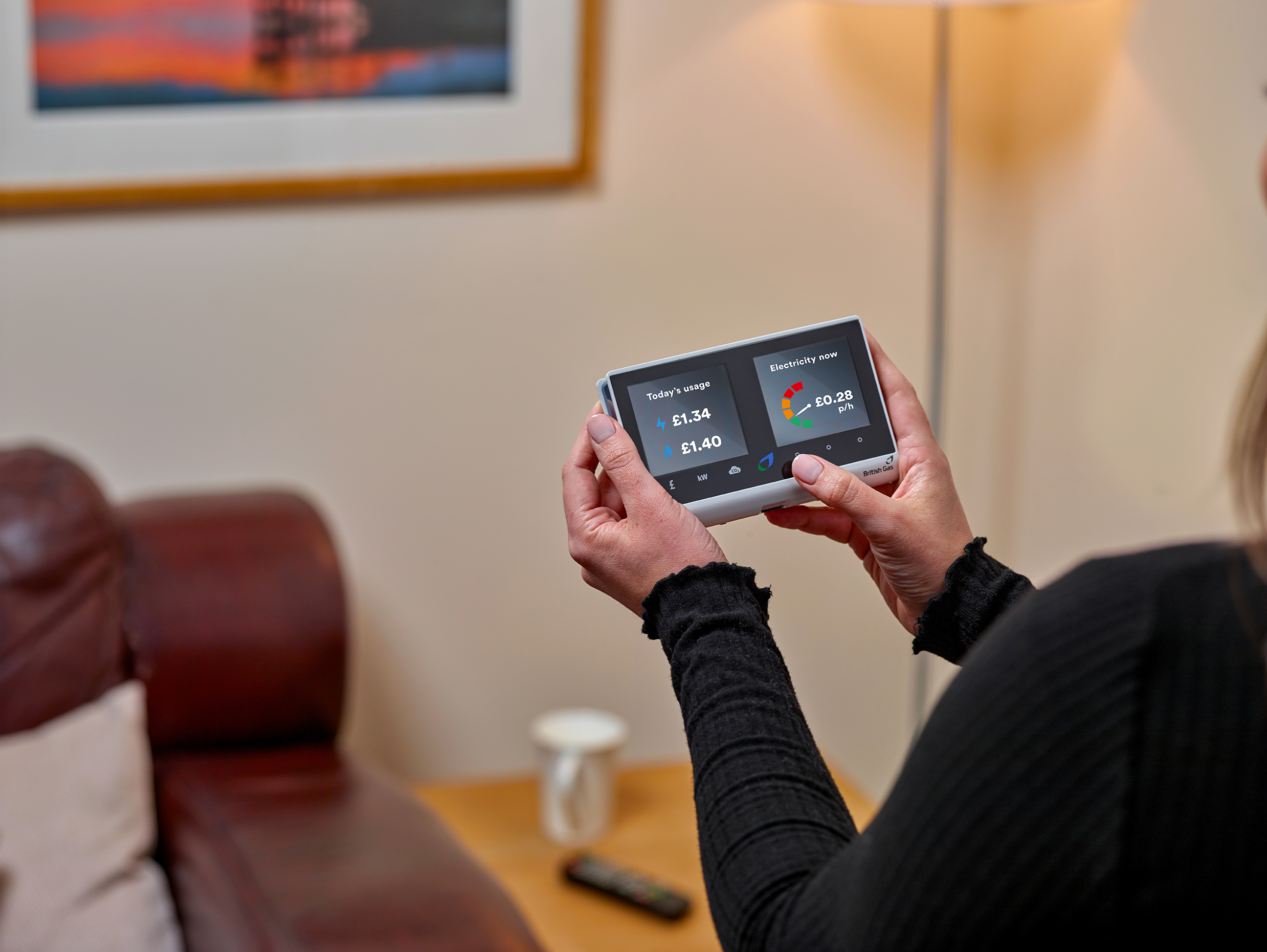
A smart meter usually changes the decision quality more than the hardware quality. In practical terms, it can help in four ways:
- It gives you better timing data. Instead of one broad billing total, you can often see half-hourly or hourly usage through a retailer portal, network download, or in-home display.
- It can make time-based tariffs possible. If cheap and expensive periods exist in your market, a smart meter is often the thing that lets the retailer bill that way.
- It can improve solar, battery, and EV decisions. Once timing matters, a dumb quarterly total stops being enough.
- It can reduce problems caused by estimated bills or delayed manual reads.
That is why the right question is not "Does the meter save money?" The better question is "Does the meter help me make cheaper decisions from real timing data?"
If your next decision is a tariff choice, read Best Tariff for Solar Homes in Australia (2026): Time-of-Use vs Flat Rate. If your next decision is solar or battery sizing, read How to Read Smart Meter Interval Data Before You Buy Solar or a Battery in Australia (2026).
Where smart meters actually help lower bills
The strongest savings mechanisms are usually these:
1. Better timing on time-based tariffs
This is the clearest path. If electricity is cheap overnight and expensive in the evening peak, a smart meter helps only if the household can move repeatable load into the cheaper window. EV charging, hot water, laundry, pool pumps, and some heating or cooling loads are the usual candidates.
2. Better use of solar generation
For solar homes, the useful question is not just how much electricity you use. It is how much you use during solar hours and how much still lands in the expensive evening period. A smart meter or interval-data portal makes that visible. That can change whether the better next step is solar first, battery later, or load shifting before either.
If export value is weak, read Solar Export Limits in Australia (2026): When a Home Battery Starts Making More Sense.
3. Better control of EV charging
An EV can be one of the biggest bill-shaping loads in the house. With interval data and the right tariff, the difference between charging at the wrong time and the right time can matter more than the difference between charger brands. If this is your case, read Charge Your EV With Solar or Off-Peak in Australia? What Actually Saves More in 2026.
4. Better billing accuracy
This is the least exciting benefit, but it still matters. In some homes, moving from estimated billing to real interval-based data reduces surprises and makes plan comparisons more honest.
What a smart meter cannot do on its own
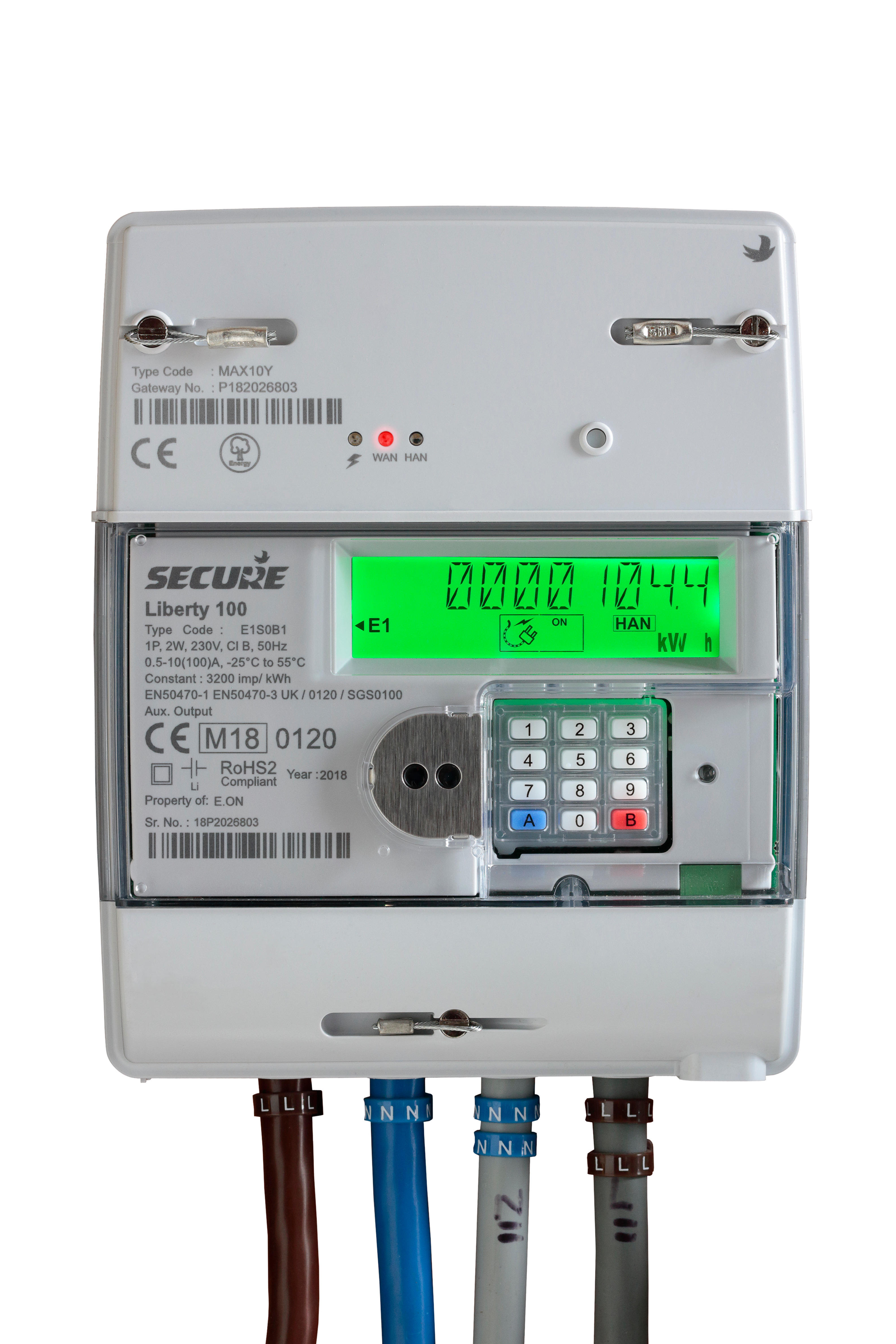
A smart meter does not:
- make a bad tariff good
- change your unit rates by itself
- identify every appliance unless you also have sub-metering or circuit-level monitoring
- guarantee savings if the expensive part of your load cannot move
- fix a weak solar fit or an oversized battery quote on its own
This is where people often get disappointed. The meter may be working exactly as intended, but the household still needs a cheaper plan, better automation, or a change in usage timing before the bill actually falls.
If you want more than retailer-level data, read Do You Need a Smart Meter for Solar Monitoring in Australia? and Best Smart Energy Meters for Home Solar in 2026.
Smart meters help more on complex energy setups
The more your bill depends on timing, the more useful the data becomes.
- Solar only: the key question is whether daytime demand is strong enough to use generation on site.
- Solar + battery: the key question is whether recurring evening imports are large enough, and consistent enough, to justify storage.
- EV home: the key question is whether charging can move into solar hours or cheap off-peak periods.
- High-electricity home: the key question is whether one or two controllable loads dominate the expensive window.
This is why smart meters tend to create more value in homes with solar, EV charging, electric hot water, home batteries, or time-based billing than in simpler flat-rate homes.
Four quick household cases
Case A: flat-rate apartment with no big flexible load
The smart meter helps with visibility, but the bill may not move much unless the retailer plan changes or there is hidden standby waste worth fixing.
Case B: family home on time-of-use pricing
This is a much stronger fit. If hot water, dishwashing, laundry, or EV charging can move out of peak, the meter can help turn tariff theory into actual savings.
Case C: solar home with weak daytime occupancy
The meter may show that solar alone will still leave a lot of evening imports. That does not automatically mean "buy a battery," but it is a clearer starting point than a quarterly bill.
Case D: solar + EV home
This is often one of the best use cases. The bill outcome can improve meaningfully if charging moves into midday solar or a clean overnight off-peak window.
What changes by country or retailer
This topic should not always be written as one global answer, but it also should not be duplicated country by country unless the answer truly changes.
The core principle is global: smart meters lower bills when they change tariff access, timing visibility, or load control decisions.
What changes by market is the surrounding system:
- whether retailers offer meaningful time-of-use or flexible pricing
- how easy it is to download interval data
- whether solar export rates are weak enough that self-consumption matters more
- whether EV charging, hot water control, or demand charges materially change the bill
That is why some EnergyMeterHub articles should stay global, while tariff, rebate, export-limit, and regulatory pieces should stay country-specific.
Data points that matter more than the smart meter itself
When you are trying to estimate real savings, focus on these numbers before anything else:
- the gap between your cheap and expensive tariff windows
- how many kWh you can reliably move each week
- how much grid import repeats after sunset
- how much midday solar would otherwise be exported cheaply
- whether inaccurate or estimated billing has been masking the true pattern
Before you install or switch, check these 6 things
- Check whether your retailer actually offers a tariff that rewards timing changes.
- Check whether your biggest loads can move in practice, not just in theory.
- Check whether you already have solar, or plan to add solar, battery, or EV charging soon.
- Check whether estimated bills, weak data access, or confusing usage patterns are part of the current problem.
- Check whether the meter comes with a useful app, portal, or in-home display in your market.
- Check whether a plan comparison or usage review would save more than the metering change itself.
Bottom line
A smart meter can lower your bill, but only when it changes the decisions around your bill. In the real world, that usually means better tariff timing, better solar self-use, better EV charging windows, or better visibility into when the expensive usage happens.
So the honest answer is this: the meter is rarely the saver. The combination of data, tariff fit, and controllable load is what saves the money.
Sources
- Smart Energy GB: How to use a smart meter to save money
- Smart Energy GB: Do smart meters cost more?
- Citizens Advice: Getting a smart meter installed
- Ausgrid: Optimising your smart meter usage
- Ausgrid: Access your meter data