The best first home-energy upgrade is usually the one that fixes your biggest measured problem, not the product with the most impressive brochure.
For many Australian homes, the practical order is:
- Fix obvious draughts, missing insulation, poor shading, and inefficient schedules first when comfort is poor or heating and cooling dominate.
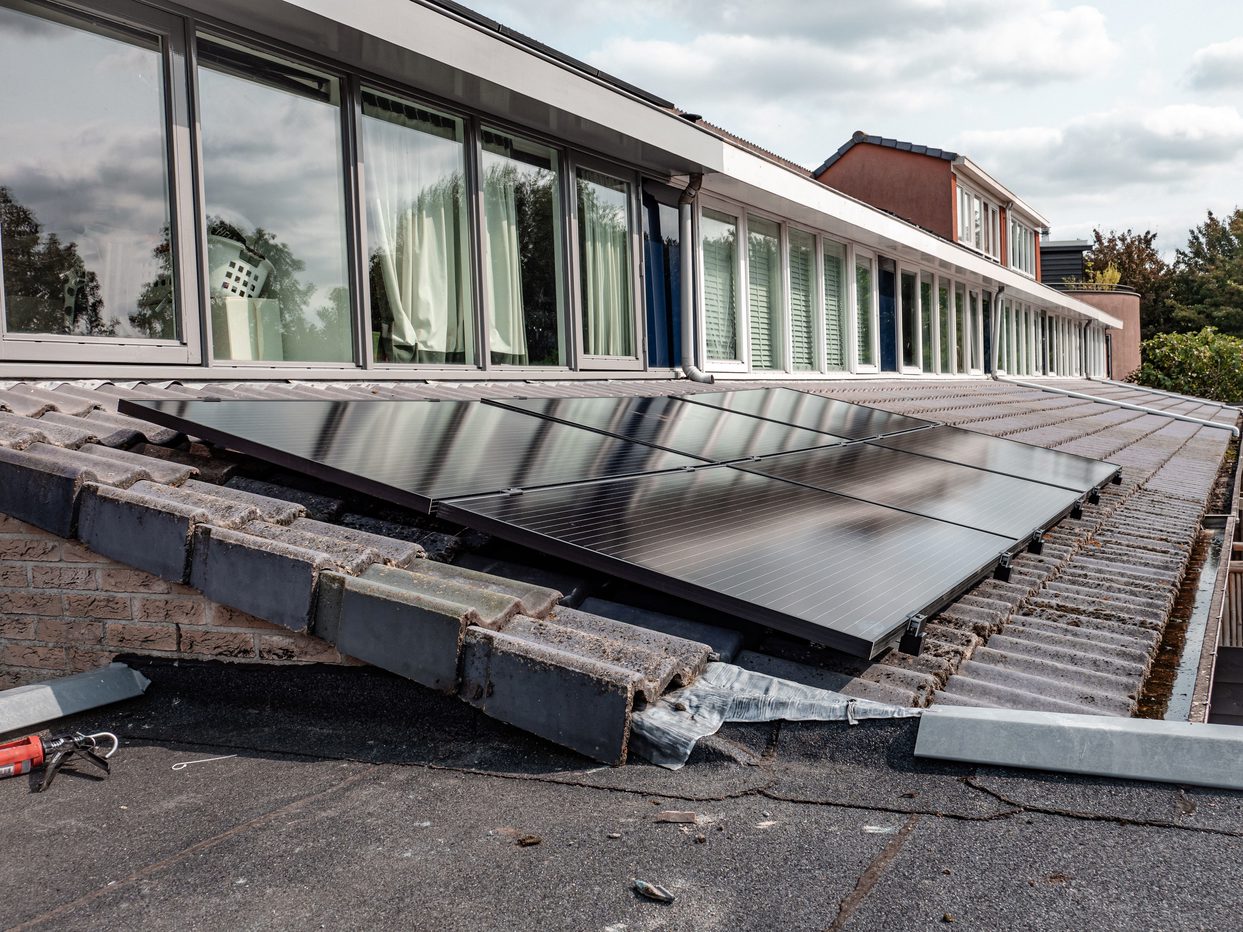
- Install solar next when the roof is suitable and the home has meaningful daytime electricity use.
- Replace a failing resistance or gas water heater with a well-sized heat-pump unit when hot water is a major load or replacement is already due.
- Add a battery after solar when interval data shows repeatable midday exports and evening imports, or when backup has a clear value.
- Use monitoring before and after each step so the next decision is based on evidence.
That order is not universal. A shaded roof may move solar down the list. A leaking electric storage water heater may make a heat pump urgent. A poorly insulated home in a severe climate may gain more comfort and lower bills from the building envelope than from extra generation. The point is to solve the constraint that is costing you the most.
Start with the problem, not the technology
Four different complaints can produce four different upgrade priorities:
| Your main problem | Best first investigation | Upgrade most likely to lead |
|---|---|---|
| High daytime grid imports and a good unshaded roof | Daytime interval use and solar quotes | Solar PV |
| Large midday solar exports plus evening imports | Export and import profile, tariff spread | Battery |
| High hot-water use or an old resistance system | Hot-water circuit energy and replacement timing | Heat-pump water heater |
| Rooms are hard to heat or cool | Draughts, ceiling insulation, shading and HVAC runtime | Insulation and sealing |
The wrong order can hide the value of the right upgrade. For example, buying a large battery before understanding exports may leave capacity underused. Installing a bigger air conditioner in a leaky, poorly shaded room can increase peak demand without fixing comfort. Oversizing solar without checking export limits may create more curtailed or low-value generation than expected.
A useful plan starts with three questions:
- Where is energy being used?
- At what time is it being used?
- Is the real problem cost, comfort, resilience, emissions, or electrical capacity?
Those answers turn a shopping list into an upgrade sequence.
Build a baseline from bills and interval data
Collect at least 12 months of electricity bills if possible. Add gas or LPG bills if the home uses those fuels. Seasonal data matters because a mild month can hide winter heating, summer cooling, or holiday occupancy.
Then obtain smart-meter interval data from your retailer or distributor. Thirty-minute data is enough for the first pass, while five-minute data can reveal shorter peaks. Group the readings into:
- overnight base load
- daytime consumption
- solar export, if solar is installed
- evening consumption
- heating and cooling seasons
- controlled-load or dedicated hot-water use
- unusually high-demand intervals
If the house already has solar, compare grid data with inverter production. Grid import alone does not show total household consumption while solar is operating. The relationship is:
Household consumption = solar production + grid import - grid export
Use several normal weeks rather than one dramatic day. A repeatable shape is more useful for sizing than a single heatwave, party, outage, or unusually sunny weekend.
For a practical workflow, see How to Use Smart Meter Data to Find the Hours That Cost You Most and How to Read Smart Meter Interval Data Before You Buy Solar or a Battery.
When insulation and draught sealing should come first
Insulation, shading and draught control reduce the amount of heating or cooling the home needs. That can improve comfort, reduce HVAC runtime and sometimes allow a smaller replacement system later.

Prioritise the building envelope when:
- ceilings or roof spaces have missing, damaged or inadequate insulation
- rooms become uncomfortable quickly after heating or cooling stops
- large temperature differences exist between rooms
- hot western sun drives afternoon cooling
- obvious gaps create unwanted air movement
- heating and cooling account for a large share of seasonal energy
- the home needs comfort improvement as much as bill reduction
Start with an inspection rather than assuming every surface needs the same treatment. Roof or ceiling insulation is often more accessible than wall retrofits. External shading may be more effective than expensive glazing for some sun-exposed windows. Draught sealing must also respect ventilation and combustion-safety requirements; do not seal required vents for open-flued or unflued gas appliances without professional advice.
The Australian Government notes that heating and cooling can represent 20% to 50% of household energy use depending on climate, and that insulation, airtightness and shading can improve equipment efficiency. That makes envelope work especially valuable when the home is uncomfortable despite long HVAC run times.
Envelope work is less likely to lead when comfort is already good, the home is well insulated, and electricity use is dominated by hot water, an EV, pool equipment or other non-HVAC loads.
When solar should come first
Solar PV usually leads when the roof is suitable, the home has steady daytime demand and the household expects to remain at the property long enough to use the investment.
Good solar-first signals include:
- meaningful grid imports between roughly 9 a.m. and 4 p.m.
- electric hot water, pool pumping, home working or other shiftable daytime loads
- plans to electrify heating, cooking or transport
- a suitable roof with limited shade and adequate usable area
- a tariff where avoided imports are worth much more than exported energy
- no near-term roof replacement that would force panel removal
Solar economics depend heavily on self-consumption. One kilowatt-hour used behind the meter avoids the retail import price. One kilowatt-hour exported earns only the feed-in tariff. Those values can be very different.
Before signing a quote, check roof condition, switchboard capacity, phase arrangement, inverter location, export limits, monitoring access and likely future loads. If a heat pump or EV is coming soon, size and configure the electrical system with that future demand in mind.
Do not size the system from annual consumption alone. A home can use substantial energy but have little daytime load. Conversely, a modest user with a pool pump, heat-pump water heater and home office may consume a high share of solar directly.
See Is Solar Still Worth It When Feed-In Tariffs Are Low? for a self-consumption calculation and Do You Need a Switchboard Upgrade Before Solar, a Battery, or an EV Charger? for electrical preparation.
When a heat pump should come first
“Heat pump” can mean a reverse-cycle air conditioner for space conditioning or a heat-pump water heater. Both move heat rather than creating it directly with resistance heating, but their value depends on the load being replaced.
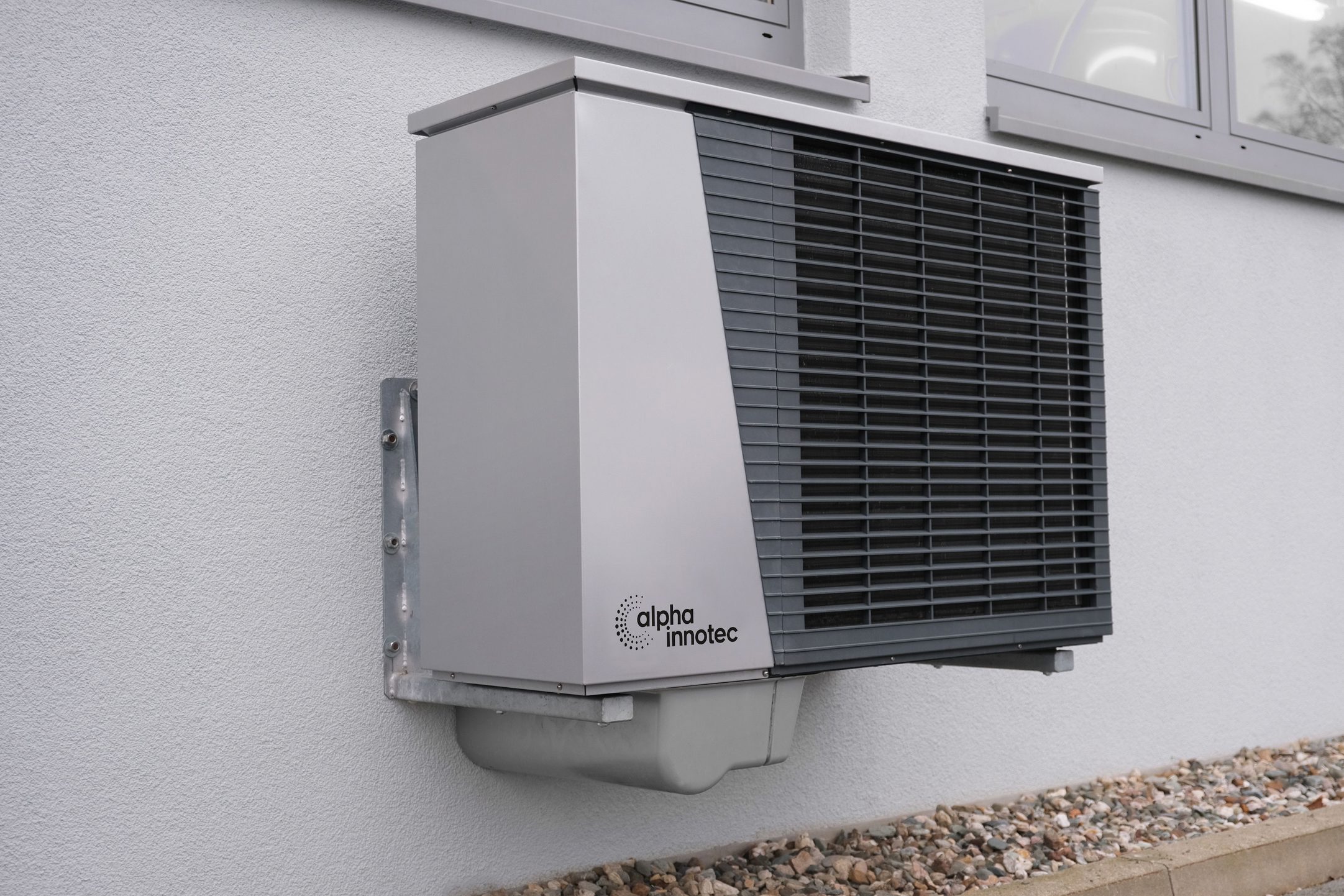
A heat-pump water heater can be the best first major upgrade when:
- an old electric storage unit is near failure
- hot water is a large, measurable household load
- the household is replacing gas and can avoid or eventually remove a fixed gas charge
- the unit can run during solar hours or a low-cost tariff window
- there is an appropriate location for airflow, condensate drainage and acceptable noise
- the product is designed for the local climate and household demand
The Energy Rating program says water heating is around one quarter of Australian household energy use and describes heat-pump water heaters as roughly three times as efficient as conventional electric water heaters. Real savings still depend on climate, product design, storage losses, household demand, controls and electricity price.
A reverse-cycle air conditioner may lead when the existing resistance heater is expensive, the gas heater is due for replacement, or the home lacks efficient cooling. But deal with severe envelope problems at the same time. Efficient equipment still has to work harder in a leaky or poorly shaded building.
Replacement timing matters. If a working water heater has years of life left, the financial case for immediate replacement may be weaker than replacing it at end of life. If it is failing now, the avoided cost of buying another inefficient system improves the upgrade case.
For a detailed comparison, read Heat Pump Hot Water vs Electric Storage: When the Upgrade Pays Off.
When a battery should come first after solar
A battery is usually an optimisation layer, not the first energy-saving layer. It does not create electricity and it loses some energy during charging, storage and discharge. Its value comes from moving energy across time, reducing peak imports, increasing solar self-consumption or providing configured backup.
Strong battery signals include:
- consistent midday solar exports
- consistent evening or overnight grid imports
- a useful difference between import price and export value
- export curtailment or a restrictive export limit
- a clear backup requirement with identified essential loads
- tariffs or programs that reward controlled charging or discharging
- enough repeatable energy movement to use the proposed capacity regularly
Weak signals include low exports, irregular occupancy, very low evening use, an oversized quote based only on panel capacity, or a payback calculation that assumes every stored kilowatt-hour replaces the highest tariff.
Size from the smaller of the regular surplus available to charge the battery and the later load available to discharge it. Then account for usable capacity, round-trip losses, minimum state of charge, degradation and seasonal variation.
If backup matters, check power as well as energy. Kilowatt-hours describe how long loads may run; kilowatts describe what can run at the same time. Confirm which circuits are backed up, whether solar can recharge during an outage, and what happens with three-phase loads.
Read Is a Home Battery Worth It If You Are Away During the Day? and Home Battery Backup During a Blackout: What Actually Works before comparing quotes.
A practical scoring method
Score each candidate upgrade from 0 to 3 in the following six areas:
| Test | 0 points | 1 point | 2 points | 3 points |
|---|---|---|---|---|
| Measured load affected | Unknown | Small | Moderate | One of the largest |
| Timing match | Poor | Occasional | Frequent | Strong and repeatable |
| Comfort or resilience benefit | None | Minor | Useful | High priority |
| Replacement urgency | New asset | Mid-life | Ageing | Failing or due now |
| Site suitability | Major constraint | Several constraints | Manageable | Strong fit |
| Confidence in quote | Assumptions only | Partial data | Evidence provided | Evidence plus guarantees |
The score is not a promise of payback. It is a way to expose weak assumptions. A high-scoring upgrade should still be compared using installed cost, rebates, finance cost, maintenance, expected life and realistic annual savings.
For financial comparison, use:
Simple payback = net installed cost / expected annual savings
For a better comparison, also estimate the value over the equipment life and include replacement costs that would have occurred anyway. Avoid comparing a 10-year battery with a building-envelope measure that may last decades using simple payback alone.
Four common household sequences
1. Hot, draughty home with high summer bills
Likely order:
- shading, sealing and insulation
- efficient reverse-cycle cooling
- solar sized to the revised daytime load
- monitoring and tariff optimisation
- battery only if the later import-export profile supports it
Reducing the cooling load first prevents solar and equipment sizing from being based on avoidable waste.
2. Well-insulated all-electric home without solar
Likely order:
- solar PV
- schedule hot water, dishwasher, laundry and EV charging into solar hours
- verify imports and exports
- battery if evening imports remain large and consistent
Here the building is not the main constraint, so generation can move forward.
3. Solar home with an ageing resistance water heater
Likely order:
- heat-pump water heater
- run it during solar hours where appropriate
- monitor the new midday load and remaining exports
- resize the battery opportunity from the new data
Adding the heat pump before the battery changes how much surplus remains available to charge storage.
4. Solar home seeking blackout protection
Likely order:
- define essential circuits and required outage duration
- reduce unnecessary critical-load demand
- verify switchboard and inverter compatibility
- choose battery power, usable energy and backup architecture
- commission and test the backup mode
In this case, resilience can justify a battery even when simple bill payback is not the strongest option. Keep the financial and backup cases separate so neither is overstated.
Ask every installer for the same evidence
A useful quote should make its assumptions visible. Ask for:
- the bills and interval data used
- expected annual energy affected by the upgrade
- tariff assumptions and whether fixed charges are included
- self-consumption and export assumptions
- equipment efficiency and degradation assumptions
- site constraints, exclusions and switchboard work
- monitoring access and data ownership
- warranty responsibility across product and installation
- expected performance after one year
- a commissioning and verification plan
For solar and batteries, request monthly rather than only annual estimates. For insulation, document existing and proposed R-values, coverage gaps and moisture or ventilation risks. For heat pumps, ask about climate performance, noise, backup elements, control schedules and recovery time.
A quote that cannot explain its inputs is difficult to verify, even if the headline saving looks attractive.
Verify each upgrade before buying the next one
After installation, compare at least four normal weeks with the original baseline, then repeat the comparison in the opposite season.
Check:
- daily and interval energy use
- peak demand, if relevant to the tariff
- indoor comfort and HVAC runtime
- solar generation, self-consumption and export
- battery charging and discharging losses
- hot-water circuit use and schedule
- whether the promised control and monitoring data are accessible
Weather and occupancy change, so avoid claiming savings from a simple before-and-after bill comparison. Use similar periods and normalise where practical. The next upgrade should be based on the new load profile, not the old one.
The short answer
Choose insulation and sealing first when comfort is poor and heating or cooling is the dominant load. Choose solar first when the roof is suitable and daytime electricity use is substantial. Choose a heat pump first when hot water or inefficient electric heating is a major load and replacement timing is favourable. Choose a battery after solar when measured surplus and later imports create a dependable daily job for it, or when well-defined backup is worth paying for.
The most robust plan is rarely “buy all four.” It is measure, fix the largest constraint, verify the result, and then recalculate the next step.
Sources and further reading
- Australian Government: Households and major home energy loads
- Australian Government: Insulation and draught proofing
- Australian Government: Heating and cooling
- Australian Government: Household electrification
- Australian Government: Solar PV and batteries
- Australian Government: Understanding home batteries
- Energy Rating: Water heating
Image credits: Stefan de Vries, Bulat843 and alpha innotec via Pexels.