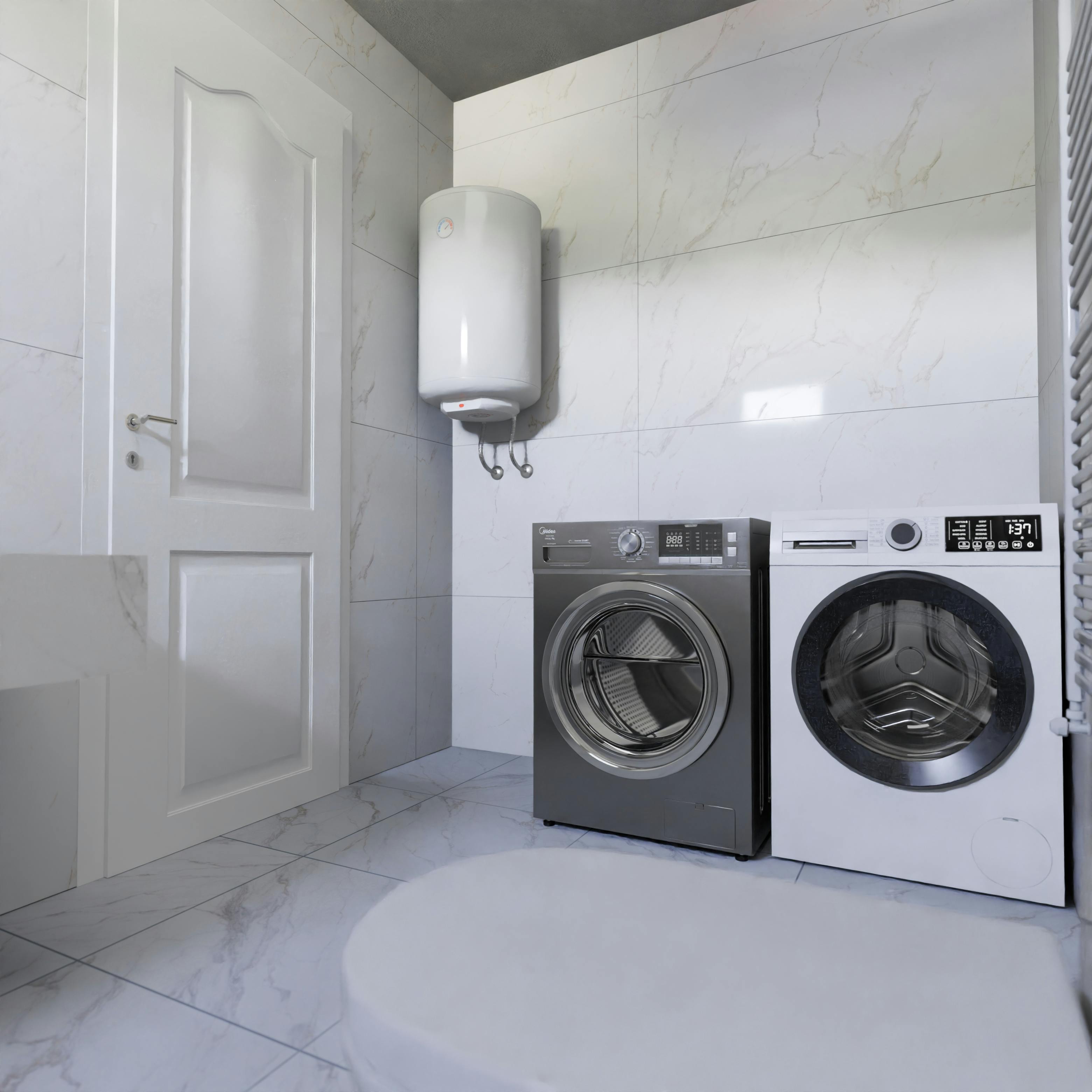
If your current hot water system is electric storage, a heat pump upgrade usually pays off when you use a meaningful amount of hot water, expect to stay in the home long enough to recover the higher upfront cost, and have a suitable installation location. If your hot water demand is low, your climate or install location is a poor fit, or the replacement cost premium is unusually high, a standard electric storage tank can still be the better short-term choice.
The reason is simple: a heat pump water heater does not create heat the same way a resistance tank does. It moves heat from the surrounding air into the tank, which is why the U.S. Department of Energy says heat pump water heaters can be two to three times more energy efficient than conventional electric resistance water heaters. In practice, that usually means lower running cost, but not automatically better value in every home.
Quick comparison
| Factor | Heat pump hot water | Standard electric storage |
|---|---|---|
| Upfront cost | Higher | Lower |
| Running cost | Usually much lower | Usually higher |
| Efficiency | Often 2 to 3 times better than electric resistance | Lower |
| Installation fit | Needs enough air volume, temperature range, and placement thought | Simpler replacement in many homes |
| Noise | Compressor and fan noise exist | Usually quieter |
| Recovery under heavy demand | Good on many models, but backup resistance may be needed in high-demand periods | Predictable but less efficient |
| Best fit | Homes with moderate to high hot water use and time to recover cost | Tight budget replacements or low-use homes |
When a heat pump water heater usually pays off
A heat pump model is usually the stronger choice when most of the following are true:
- Your existing system is an aging electric storage tank.
- Hot water is a meaningful part of your electricity bill.
- You expect to stay in the property for several more years.
- You have a garage, utility room, or similar space that suits the unit.
- Your electricity price is high enough that efficiency savings matter.
- You can run or schedule heating in cheaper tariff periods or during surplus solar hours.
This is where the economics improve fast. ENERGY STAR says certified heat pump water heaters can save a four-person household about $550 per year compared with a standard electric water heater, with payback around three years under its stated assumptions. That is not a universal result, but it is a useful reminder that the running-cost gap can be material when usage is high enough.
When electric storage still makes sense
A standard electric storage water heater is still a rational option in some homes.
It can make sense when the old system has failed unexpectedly, capital budget matters more than lifetime efficiency, hot water use is modest, or the install space is a poor match for a heat pump unit. It can also be the easier choice in properties where noise, airflow, condensate drainage, or access constraints make the upgrade more complex than it first appears.
If the household is very small, the tank is lightly used, or the price gap between the two systems is large in your local market, the payback period can stretch enough that the simpler tank remains the more practical decision.
The numbers that matter before you decide
Do not compare these systems on purchase price alone. Compare them on total ownership logic.
1. Annual hot water energy use
If your water heating load is already low, the savings ceiling is lower too. The bigger the current electric hot water bill, the easier it is for a heat pump upgrade to justify itself.
2. Incremental installed cost
The real question is not whether a heat pump costs more. It is how much more the full installed job costs after electrical work, plumbing changes, condensate handling, transport, and any platform or clearance changes.
3. Tariff structure
If you are on time-of-use pricing, hot water that can be heated in off-peak hours becomes more valuable. The Department of Energy notes that shifting electricity use to off-peak times can save money under time-based rates. A controllable hot water load is often one of the cleaner ways to do that.
4. Install location
The Department of Energy says heat pump water heaters need a location that stays roughly within 40 to 90 degrees Fahrenheit year-round and has enough surrounding air volume. That makes placement important. A cramped or cold location can reduce performance and complicate the job.
5. Tank sizing and first-hour delivery
Do not undersize the system just because it is more efficient. Match the tank and recovery profile to real household demand, especially if multiple showers, laundry, and dishwashing stack into the same morning or evening window.
6. Time in home
A longer expected stay improves the odds that lifetime savings matter more than the higher purchase price. If this is a short-hold property decision, simple payback matters more.
A practical decision rule
Choose heat pump hot water first when you are replacing an electric storage tank, your household uses a fair amount of hot water, and the installed premium is reasonable.
Lean toward standard electric storage when the replacement must be as cheap and simple as possible, or when the site conditions are poor enough that the heat pump loses much of its advantage.
Common buying mistakes
- Assuming every home gets the same payback.
- Comparing only equipment price instead of installed price.
- Ignoring noise and placement constraints.
- Picking a tank that is efficient on paper but too small for actual demand.
- Forgetting to check the Energy Guide label, annual operating cost estimate, and UEF.
The Department of Energy recommends using the yellow Energy Guide label and UEF to compare water heaters. That is still one of the fastest ways to avoid buying on marketing claims alone.
Bottom line
For many homes replacing an electric resistance tank, heat pump hot water is the better long-term answer because the operating-cost difference is often large enough to outweigh the higher upfront price. But the upgrade only really pays off when usage, tariff structure, install conditions, and time horizon all line up.
If those pieces do not line up, a standard electric storage tank is not automatically the wrong call. It is simply the less efficient option that may still be the more practical one for that specific replacement job.
Sources
- U.S. Department of Energy, Heat Pump Water Heaters: https://www.energy.gov/energysaver/heat-pump-water-heaters
- U.S. Department of Energy, Estimating Costs and Efficiency of Storage, Demand, and Heat Pump Water Heaters: https://www.energy.gov/energysaver/estimating-costs-and-efficiency-storage-demand-and-heat-pump-water-heaters
- U.S. Department of Energy, Reducing Electricity Use and Costs: https://www.energy.gov/energysaver/reducing-electricity-use-and-costs
- ENERGY STAR, Save More with ENERGY STAR Certified Heat Pump Water Heaters: https://www.energystar.gov/products/heat_pump_water_heaters/benefits-savings