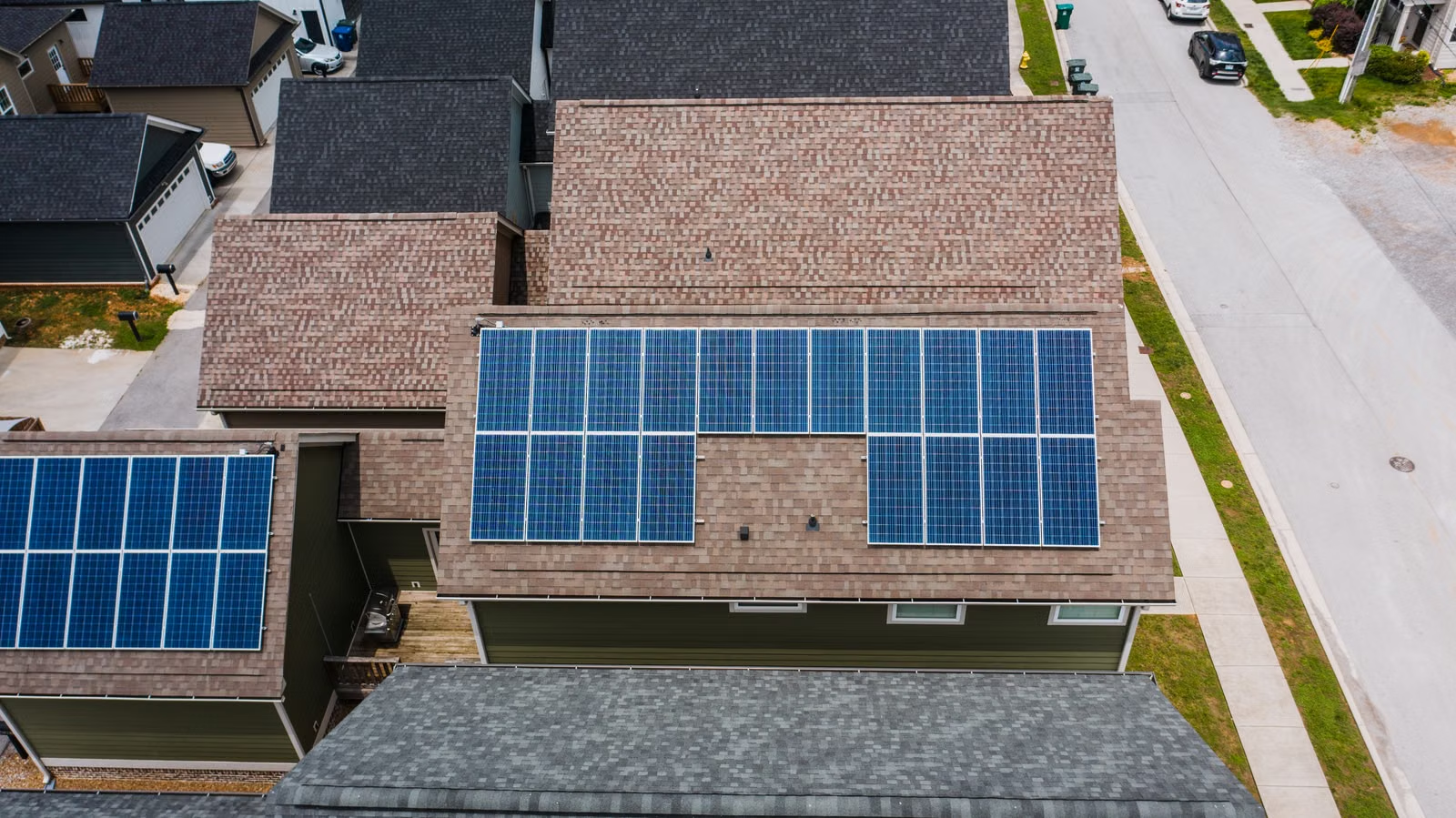
Low feed-in tariffs do not automatically make rooftop solar a bad investment. They change what makes solar valuable.
When export payments are weak, the financial case depends less on selling electricity and more on avoiding retail-priced grid electricity through self-consumption. A system can still be worthwhile when it is sensibly priced, well matched to the roof and household load, and sized around realistic daytime use rather than an optimistic export assumption.
The fastest way to judge it is to value each solar kilowatt-hour according to what actually happens to it:
- solar used in the home is worth the grid electricity price you avoid
- solar exported is worth the feed-in tariff
- solar curtailed by an export limit has little or no direct bill value
That distinction is the whole decision.
The short answer
Solar is often still worth considering with a low feed-in tariff when:
- the household uses meaningful electricity during daylight hours
- flexible loads can move into the solar window
- the installed price is competitive and financing costs are reasonable
- the roof has useful sun exposure and enough remaining life
- the proposed system is not oversized solely to chase export income
- monitoring can verify production, consumption and export after installation
It becomes less attractive when a costly or oversized system sends most of its output to the grid for a very small credit, when the roof is heavily shaded, or when expensive finance overwhelms the bill savings.
Why a low feed-in tariff is not the same as low solar value
The Australian Government's Solar Consumer Guide explains that rooftop solar can reduce a bill through self-consumption, exports and, for some tariffs, lower peak demand. It also states that self-consuming solar generally saves more than exporting it because feed-in tariffs are typically much lower than retail import prices.
The same economic relationship applies in any market, even though the tariffs, incentives and settlement rules differ.
If grid electricity costs 30 cents per kWh and the export tariff pays 5 cents per kWh, then:
- using 1 kWh of solar in the home avoids about 30 cents of grid purchases
- exporting that same 1 kWh earns about 5 cents
- moving 1 kWh from export to useful on-site consumption adds about 25 cents of value
These are illustrative numbers, not a live tariff quote. Use the rates on your own bill and current retailer terms.
The calculation that matters
Use this simple annual formula:
annual solar value = (self-consumed solar kWh x avoided import rate) + (exported solar kWh x feed-in tariff) - annual costs
Annual costs can include monitoring subscriptions, maintenance allowances, inverter replacement provision, insurance changes and financing costs where relevant.
Then calculate simple payback:
simple payback years = net installed cost / annual solar value
Simple payback is useful for screening quotes, but it is not a full financial model. A careful comparison should also consider equipment life, degradation, tariff changes, financing, tax treatment where applicable, opportunity cost and whether the home may be sold.
A worked example: low export rate, useful solar
Consider a system expected to generate 8,000 kWh per year. Assume an illustrative import rate of 30 cents per kWh and a feed-in tariff of 5 cents per kWh.
Case A: 35% self-consumption
- 2,800 kWh is used directly in the home
- 5,200 kWh is exported
- avoided grid purchases:
2,800 x $0.30 = $840 - export credit:
5,200 x $0.05 = $260 - gross annual value: $1,100
Case B: 55% self-consumption
- 4,400 kWh is used directly in the home
- 3,600 kWh is exported
- avoided grid purchases:
4,400 x $0.30 = $1,320 - export credit:
3,600 x $0.05 = $180 - gross annual value: $1,500
The system produces the same energy in both cases. Better alignment between generation and household demand adds $400 per year in this example.
That is why low feed-in tariffs make load shape and monitoring more important, not solar automatically worthless.
First measure the four energy flows
Before accepting a quote, estimate or measure:
- annual solar generation
- direct solar consumption
- grid export
- grid import after sunset and during low-generation periods
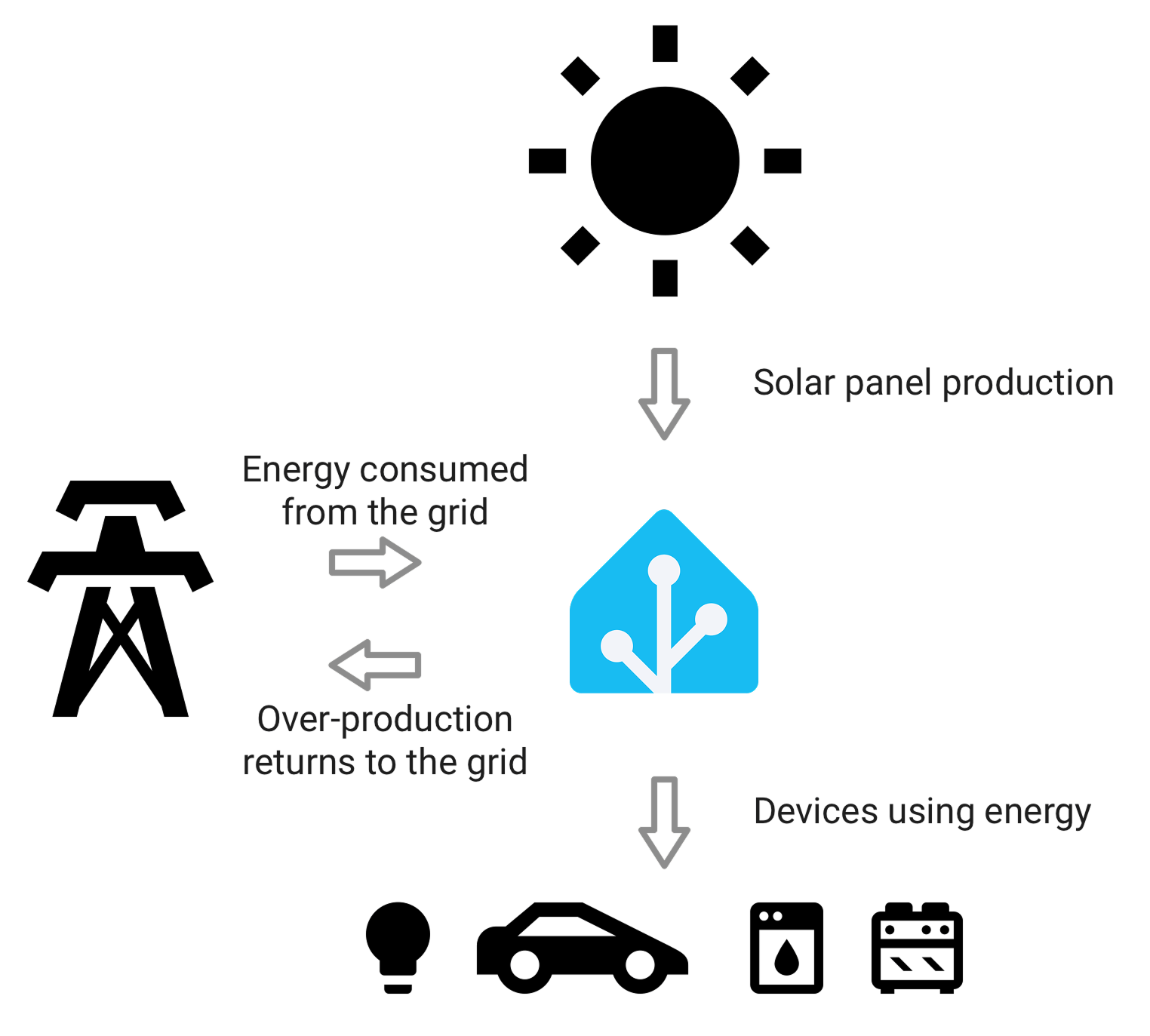
A useful monitoring view separates generation, household load, grid flow and battery flow instead of showing only inverter production.
An inverter app often reports generation but cannot calculate true household self-consumption unless it also measures flow at the grid connection point. If production and export appear not to match, that may simply mean the home used the difference. Why Solar Production and Export Do Not Match explains that energy balance in more detail.
For an existing home, smart-meter interval data is a strong starting point. For a planned installation, use at least 12 months of bills where possible and note when large loads run. NREL's PVWatts can estimate generation for a proposed grid-connected PV system, but its results still depend on assumptions about system size, losses, orientation, tilt and local weather.
Self-consumption is the main lever
Self-consumption means using solar electricity inside the property at the time it is generated. The most valuable candidates are loads that are large, useful and flexible:
- electric or heat-pump water heating
- EV charging
- pool or circulation pumps
- washing, drying and dishwashing
- daytime heating or cooling
- commercial refrigeration, pumping or process loads

Water heating is often a practical solar load because useful energy is stored as hot water rather than exported at a low rate.
The Australian Government recommends running suitable appliances during solar hours and specifically identifies hot water, EV charging, pool pumps and other scheduled loads. The correct window depends on season, weather and array orientation, so use monitoring rather than a fixed clock rule.
Start with low-cost changes:
- adjust appliance and pump schedules
- move discretionary loads into consistent solar hours
- configure solar-aware EV charging where the car is available
- pre-heat or pre-cool without creating comfort or safety problems
- control suitable hot-water loads through an electrician-approved arrangement
Use How to Use Energy Data to Spot Missed Solar Self-Consumption to identify which load is worth moving first. The Excess Solar Priority Calculator can help compare hot water, EV charging, a pool pump and storage.
Size the system for the property, not for yesterday's tariff
A low feed-in tariff makes poor sizing assumptions more expensive.
The right size is not automatically the largest array that fits on the roof, nor is it always a system that exactly matches today's daytime load. Consider:
- current annual and daytime consumption
- likely electrification, such as an EV, heat pump or electric cooking
- roof orientation, shade and seasonal generation
- local export limits or dynamic export rules
- inverter capacity and clipping
- the marginal cost of adding panels during the same installation
- whether future loads will actually be present in solar hours
Oversizing can still make sense when extra panels are inexpensive, the roof has mixed orientations, winter output matters, future electric loads are credible, or export still earns useful revenue. It is weaker when the quote assumes high export income that the tariff does not support.
Ask every installer for at least three modeled numbers: expected annual generation, expected self-consumption and expected export. A generation-only estimate is not enough to predict bill savings.
Compare the complete electricity plan
Do not choose a retailer plan by the feed-in tariff alone.
A plan with a higher export credit may also have:
- a higher import rate
- a higher daily supply charge
- expensive peak periods
- demand charges
- export caps or tiered credits
- eligibility conditions, bundled products or limited-duration bonuses
Model the whole bill using the same consumption and export profile. The Australian Government's tariff guidance points consumers to official comparison services and notes that electricity pricing plans interact with solar differently. Energy Saving Trust likewise advises checking the complete terms of export offers rather than focusing only on the headline rate.
The Tariff Fit Checker is a practical way to compare whether a flat rate, time-of-use plan or solar-focused tariff better matches the household profile.
Should you add a battery because the feed-in tariff is low?
Not automatically.
A battery can convert low-value midday export into electricity used later, but the value of each shifted kWh is roughly:
avoided import price - lost export credit - battery losses - battery wear cost
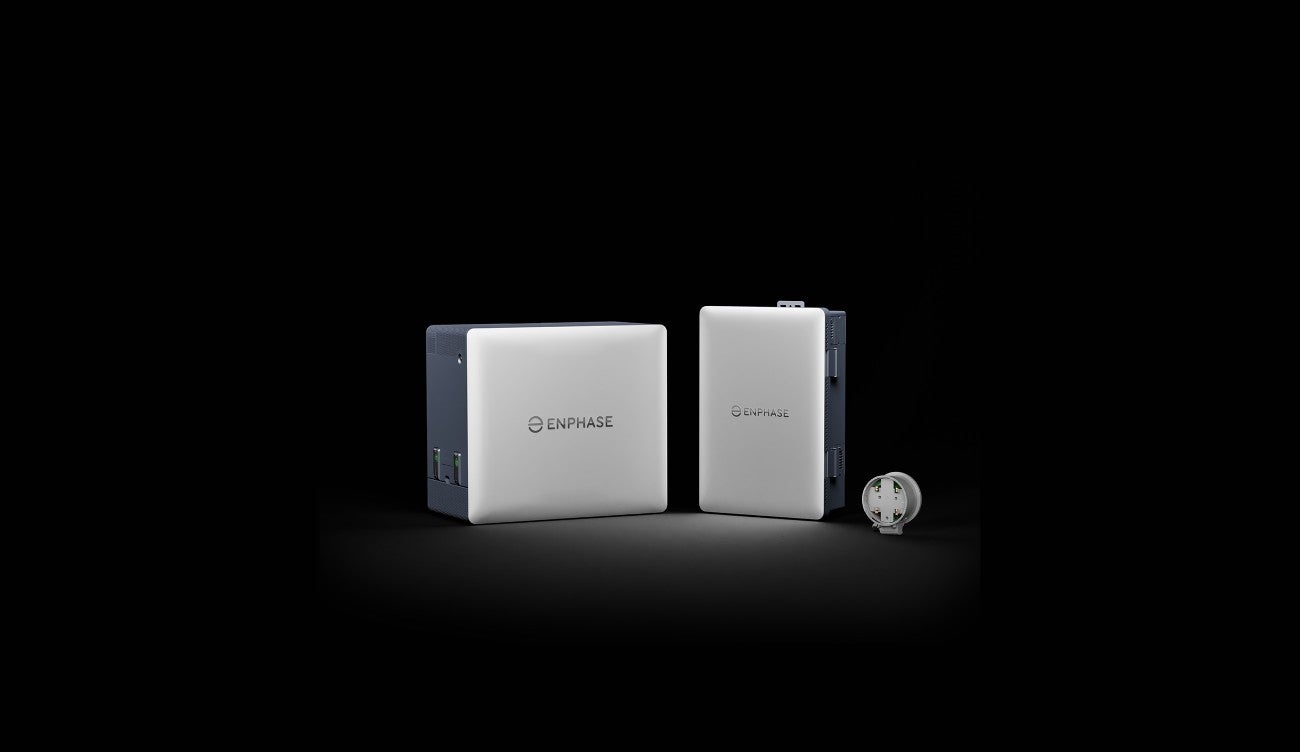
A battery improves solar self-consumption, but low export value alone does not prove that storage will pay back.
The Solar Consumer Guide cautions that a battery usually pays back more slowly than solar alone and may not recover its upfront cost within its lifetime in some situations. Storage becomes more compelling when several benefits stack together:
- regular midday surplus and regular evening imports
- large time-of-use price differences
- export constraints or curtailment
- demand-charge reduction
- backup power value
- a well-understood virtual power plant payment
- a credible subsidy or rebate
Before buying, test cheaper load-shifting options and estimate annual battery throughput. The Battery Size Estimator is more useful after you have measured the recurring surplus and evening demand.
When solar is still a strong candidate
Low feed-in tariffs are less damaging when the property has one or more of these characteristics:
- a home office or daytime occupancy
- electric hot water that can run during solar hours
- an EV parked at home during part of the day
- a pool pump or other schedulable load
- daytime commercial or industrial demand
- high retail import prices
- an east-west array that broadens the production window
- planned electrification within the next few years
For businesses, schools and facilities with strong daytime consumption, export revenue may be secondary because much of the generation is consumed behind the meter.
When the proposal deserves more caution
Pause or resize the project when:
- most generation would be exported and the export rate is very low
- the roof is heavily shaded or needs near-term replacement
- the quote uses optimistic production with no shading or loss allowance
- financing adds substantial interest or escalator risk
- export limits materially reduce usable output
- the property may be sold before savings recover the cost
- the installer cannot explain self-consumption assumptions
- the system includes expensive extras with no measured use case
Solar can be technically feasible without being the best next investment. Efficiency upgrades, tariff changes, insulation, hot-water replacement or better monitoring may sometimes deliver a faster return.
A quote checklist for low feed-in tariff markets
Ask for these items in writing:
- net installed price after incentives
- estimated annual generation and the modeling assumptions
- expected self-consumption and export in kWh, not only percentages
- the import rate and feed-in tariff used in the savings model
- treatment of tariff escalation and panel degradation
- export-limit assumptions
- equipment warranties and installer workmanship warranty
- monitoring scope: generation only or full import/export measurement
- finance interest, fees, term and total amount payable
- expected simple payback and a lower-value sensitivity case
Run a sensitivity check with a lower export tariff, lower generation and higher financing cost. A project that remains acceptable under conservative inputs is more robust than one that works only in the sales proposal's best case.
A practical decision sequence
- Estimate generation. Use a reputable model such as PVWatts or a local government-backed calculator.
- Build the load profile. Use smart-meter data, interval bills or a whole-home monitor.
- Separate self-consumption from export. Do not value every generated kWh at the same rate.
- Test low-cost load shifting. Move suitable loads before buying storage.
- Compare complete tariffs. Include import rates, supply charges, time windows and export conditions.
- Right-size the system. Include credible future electric loads, not speculative ones.
- Stress-test payback. Use conservative generation, tariff and finance assumptions.
- Consider a battery last. Add storage only when measured surplus, evening demand and stacked benefits support it.
Bottom line
Solar can still be worth it when the feed-in tariff is low because the most valuable solar electricity is often the electricity you do not have to buy from the grid.
The winning system is usually not the one with the most panels or the highest advertised export rate. It is the one whose cost, generation profile, household demand, tariff and monitoring all fit together.
Treat export revenue as one line in the model, not the whole business case. Measure when energy is used, improve self-consumption, compare the complete electricity plan and size storage only after the data shows a real gap.
Sources and further reading
- Australian Government: How solar pays for itself and batteries reduce bills
- Australian Government: Get the most from your solar system
- Australian Government: Electricity pricing plans and tariffs
- Australian Government: Monitor your solar system
- NREL: PVWatts Calculator
- U.S. Department of Energy: Will I Save Money with Solar Energy?
- Energy Saving Trust: Smart Export Guarantee explained