Schneider Energy Monitor is worth a close look if your home is already moving toward a Schneider Electric / Square D electrical ecosystem and you want energy monitoring to become the first layer of a smarter panel plan. It is less compelling if your main goal is local data access, Home Assistant-first automation, broad branch-circuit CT monitoring, or a generic solar analytics meter.
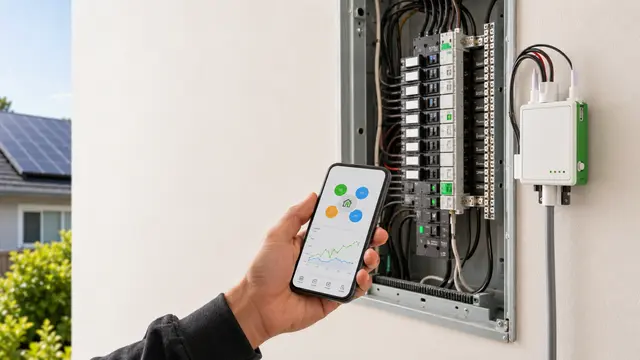
Schneider Energy Monitor makes the most sense when monitoring is part of a wider panel, load-control, and electrical-system roadmap.
The short version: Schneider Energy Monitor is not just a standalone gadget decision. It is an ecosystem decision. If you want your electrical panel to become more visible, more controllable, and more aligned with Schneider / Square D hardware over time, it can be a sensible starting point. If you simply want the most open energy data stream for dashboards, automations, and custom analytics, there are usually better-fit meters.
Quick Verdict
| Question | Practical answer |
|---|---|
| Best fit | U.S. split-phase homes that already use, or plan to use, Schneider Electric / Square D electrical equipment. |
| Main value | Whole-home monitoring that can sit inside a broader Schneider smart electrical system plan. |
| Main caution | It is not the most open option for local API access, Home Assistant workflows, or custom energy data pipelines. |
| Solar caution | Do not assume the base WISEREMZ kit covers solar import/export monitoring. Schneider positions solar monitoring through additional solar CT hardware / configuration paths. |
| Installation caution | It is panel-mounted electrical equipment and should be planned with a qualified installer. |
What Schneider Energy Monitor Is Actually For
Schneider Energy Monitor, commonly associated with model WISEREMZ in the U.S. product lane, is a whole-home energy monitoring device for residential electrical panels. The core setup is built around a monitoring unit and a pair of main current transformers, so its first job is to measure whole-home consumption at the service mains rather than to place a separate sensor on every individual branch circuit.
That distinction matters. A main-panel monitor can give you a strong view of total household demand, usage trends, load timing, and major demand changes. It is useful for answering questions such as:
- How much power is the home using right now?
- When do major loads appear during the day?
- Is the panel seeing high demand during EV charging, HVAC use, or appliance peaks?
- Does the home need a more deliberate load-management plan before adding more electrical equipment?
It is not the same as a dedicated multi-circuit monitor that physically measures many branch circuits. Some whole-home monitors can infer appliance behavior from the main feed, but buyers should not treat that as equivalent to having a CT on every circuit.
Why It Can Make Sense Before a Smarter Panel Upgrade
The strongest argument for Schneider Energy Monitor is not that it is the most flexible energy data device on the market. The stronger argument is that Schneider Electric already has a deep role in residential electrical distribution through Square D panels, breakers, control relays, connected wiring devices, and related equipment.
If your long-term plan includes a smarter electrical panel, controllable loads, or a more integrated Schneider Home environment, starting with Schneider Energy Monitor can reduce ecosystem fragmentation. In practical terms, you may be choosing a monitoring layer that is closer to the same vendor family as the panel and load-control hardware you may add later.
That can matter for homeowners who want a more installer-supported path. A local-first meter may be excellent for data access, but it does not necessarily help your electrician plan a Schneider / Square D load-control strategy. Schneider Energy Monitor is more attractive when the future question is not only "How do I see my energy data?" but also "How will my electrical system become more manageable over time?"
Where It Is Weaker Than a Generic Energy Meter
The tradeoff is openness. If your ideal setup is a local dashboard, direct MQTT-style data flow, Home Assistant energy automations, or an energy database you fully control, Schneider Energy Monitor is not the obvious first choice. Based on currently verified product positioning, EnergyMeterHub does not treat WISEREMZ as a local-API-first meter, and we do not mark it as officially Home Assistant supported.
That does not mean it is a poor product. It means the buyer profile is different. Schneider Energy Monitor is better understood as part of a manufacturer electrical ecosystem than as a universal data-access meter.
For comparison, a buyer focused on open integrations may prefer devices such as Shelly EM or IAMMETER, depending on region, current rating, and installation requirements. A buyer who wants many individual circuit measurements in a cloud app may prefer a circuit monitor such as Emporia Vue 3. Schneider Energy Monitor sits in a different lane: more electrical-system roadmap, less open telemetry platform.
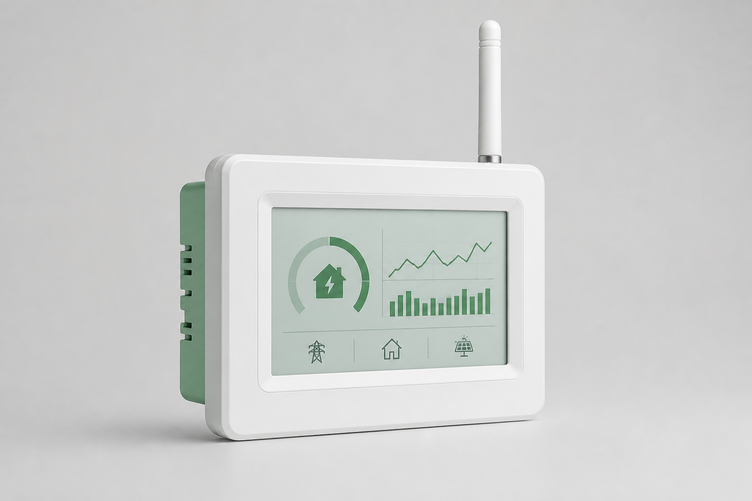
The hardware decision should be tied to the panel and load-control roadmap, not only to the monitoring app.
Best-Fit Buyer Profiles
Schneider Energy Monitor is most likely to be worth it for a homeowner who matches several of these conditions:
- The home is in a North American split-phase electrical context.
- The electrical panel is Schneider / Square D, or the homeowner is already planning Schneider / Square D upgrades.
- The buyer wants whole-home visibility before deciding on EV charging, heat pump electrification, battery storage, or controllable loads.
- A qualified electrician will be involved in panel work.
- The buyer prefers a manufacturer-backed app and ecosystem over a highly customizable local data stack.
- Future load control matters more than exporting every measurement into a custom dashboard.
For this buyer, Schneider Energy Monitor can be the first practical step in an electrical-system plan. It gives visibility before control. That is often the right order: measure the home first, understand peak loads and usage patterns, then decide which loads should be controlled, shifted, upgraded, or monitored more closely.
Poor-Fit Buyer Profiles
Schneider Energy Monitor is less likely to be the right first choice if you match one of these profiles:
- You run Home Assistant and want the meter to be a primary local energy source.
- You need a documented local API for automation, logging, or third-party analytics.
- You want physical CT-level measurement across many branch circuits.
- You need a three-phase commercial or international metering setup.
- You are building a solar-first monitoring system and need clear import/export measurement from day one.
- You want to compare devices mainly by open protocols, not by electrical ecosystem fit.
Those are valid requirements, but they point toward a different class of product. In those cases, the better question is not whether Schneider Energy Monitor is good or bad. The better question is whether its ecosystem assumptions match your project.
Solar, Battery, and EV Charging Considerations
Solar is the area where buyers need to be especially careful. A whole-home energy monitor installed at the mains can see household net behavior, but that does not automatically mean it has a complete view of solar production, grid import/export, battery charging, and battery discharge.
For Schneider Energy Monitor, EnergyMeterHub currently treats the base WISEREMZ setup as whole-home monitoring, not as a fully configured solar import/export monitoring package. Schneider has solar monitoring hardware / add-on paths in the broader product family, so buyers should confirm the exact solar CT kit, installer design, and app behavior before relying on it for solar analytics.
The same logic applies to batteries and EV chargers. If the battery, EV charger, or large load sits behind the measured boundary, the monitor may see the effect on household demand. But that is not the same as having direct device-level telemetry from the battery inverter, EVSE, or charger management system. For serious solar-battery optimization, the energy monitor should be evaluated alongside inverter data, battery data, charger data, and tariff requirements.
Installation and Buying Checklist
Before buying Schneider Energy Monitor, confirm these points:
| Check | Why it matters |
|---|---|
| Supply type | The product lane is aimed at North American residential split-phase service, not every global panel type. |
| Panel compatibility | CT placement, panel space, and wiring access affect installation quality. |
| Installer involvement | The device is installed around live electrical infrastructure and should be handled professionally. |
| Solar add-on needs | Base whole-home monitoring should not be assumed to equal full solar import/export monitoring. |
| Load-control roadmap | If future control relays or Schneider / Square D smart electrical components matter, plan them together. |
| Data access expectations | Confirm whether app-based access is enough, or whether you require local API / Home Assistant workflows. |
| Network path | Verify the current product connectivity requirements and app account expectations before installation. |
A good buying decision usually starts with a sketch of the electrical roadmap. Are you simply trying to monitor consumption, or are you preparing the home for EV charging, heat pumps, solar, battery storage, and controlled loads? Schneider Energy Monitor becomes more compelling as the second answer becomes more true.
Alternatives to Consider
If the Schneider roadmap is not the main reason you are buying, compare it with other options before committing.
| Need | Better-fit direction |
|---|---|
| Many measured circuits in a consumer app | Look at circuit-monitoring systems such as Emporia Vue 3. |
| Local data access and Home Assistant projects | Look at local-friendly meters such as Shelly EM or IAMMETER, depending on electrical requirements. |
| Solar import/export analytics | Confirm a solar-ready meter setup or inverter-native monitoring before buying a base whole-home monitor. |
| Future Schneider / Square D load control | Schneider Energy Monitor deserves a stronger look. |
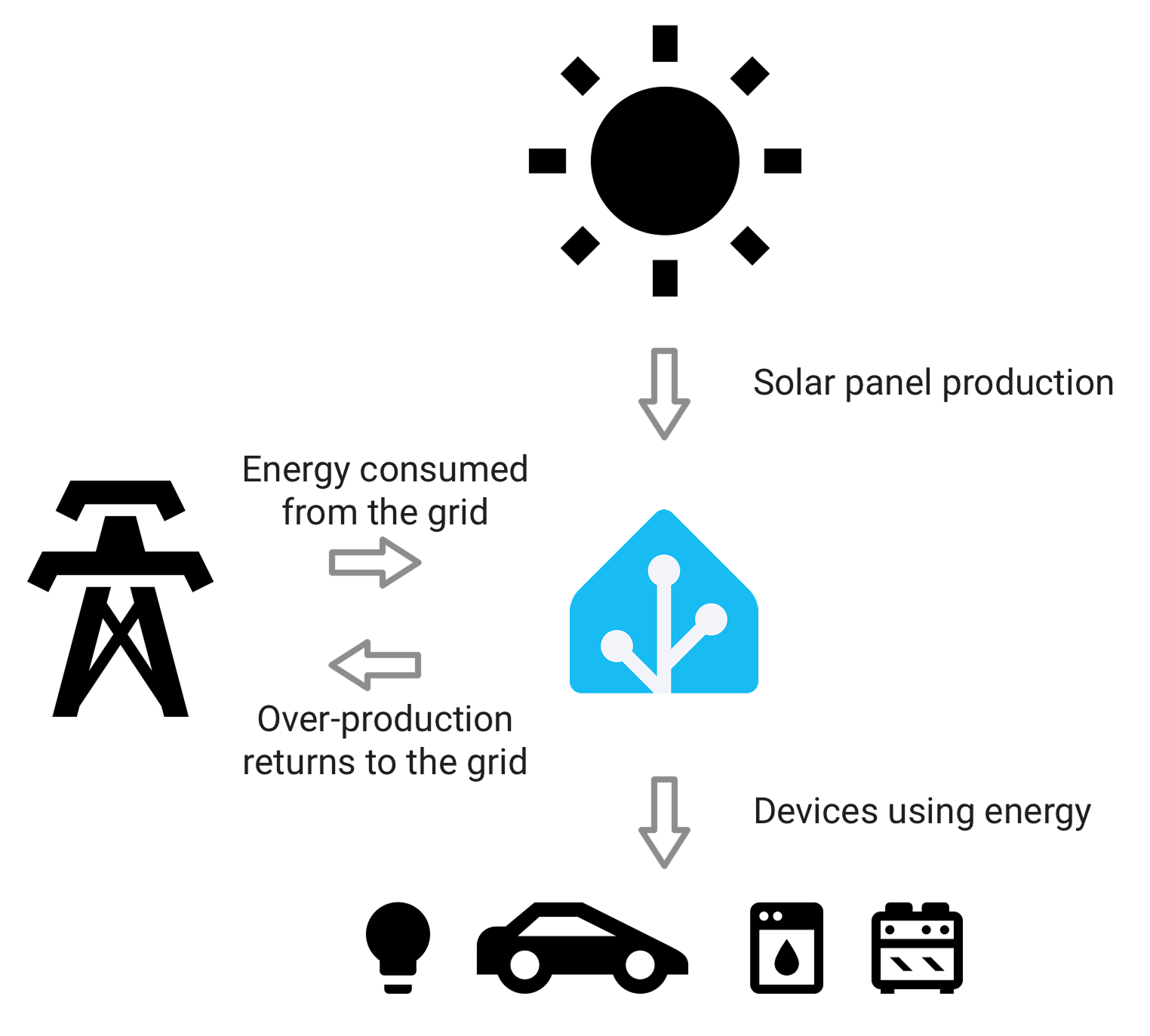
If your project is built around local dashboards and automations, data-access requirements should drive the meter choice early.
Bottom Line
Schneider Energy Monitor is worth it when the monitoring decision is part of a larger Schneider / Square D electrical-system roadmap. It can be a practical first layer before smarter load control, panel upgrades, and a more managed home electrical system.
It is not the most natural choice when the project is mainly about open data, local APIs, Home Assistant, circuit-by-circuit hardware monitoring, or solar analytics from the base kit. In those cases, choose the meter around the data and integration requirements first.
For the right home, the value of Schneider Energy Monitor is not only what it measures today. It is that it can help turn energy monitoring into an electrical planning tool before the next major upgrade.
Related EnergyMeterHub Resources
- Schneider Energy Monitor device profile
- Best Whole-Home Energy Monitor: Emporia Vue 3 vs Shelly EM vs Schneider Energy Monitor
- Is a Whole-Home Energy Monitor Worth It?
- How to Plan a Home Energy Monitoring Setup That Lasts
- How to Choose an Energy Meter for Data Access
- What an Open Energy Meter Lets You Do
Sources and Verification Notes
- Schneider Electric WISEREMZ product page
- Schneider Electric Energy Monitor installation documentation, including the TME39049A / TME39049B installation guide references.
- EnergyMeterHub Schneider Energy Monitor device-maintenance notes verified on 2026-06-15.
- EnergyMeterHub recent comparison coverage, including the June 2026 whole-home monitor comparison article.
EnergyMeterHub intentionally does not mark Schneider Energy Monitor as local-API supported, Home Assistant supported, or base-kit solar import/export ready unless those capabilities are supported by current verifiable documentation.