Dynamic load management is worth considering when a home EV charger has to share limited electrical capacity with the rest of the house. It is not required for every installation, and it is not a magic substitute for a poor electrical design. But in the right home, it can be the feature that makes Level 2 charging practical without immediately upgrading the panel or service.
The short version is this: if your panel has plenty of headroom and your charging schedule is predictable, a correctly sized fixed-amperage charger may be enough. If your home has tight capacity, electric heating, hot water, cooking loads, solar, batteries, or more than one EV, dynamic load management can be much more valuable than chasing the highest charger amperage.
This guide focuses on the decision itself: who needs dynamic load management, what hardware it usually depends on, and how to avoid paying for a feature that does not solve your actual problem.
What dynamic load management actually does
Dynamic load management watches the home or site load and adjusts EV charging power so the total demand stays inside a safe limit.
In a simple fixed setup, the charger is configured to a maximum output, such as 32 A, 40 A, or 48 A. It can charge below that rate if the car requests less, but it does not necessarily know whether the rest of the house is busy.
In a dynamic setup, the charger or charging system receives a live signal from a power meter, CT clamps, or a compatible home energy monitor. When the house is using more power, the charger can reduce its draw. When the house is quiet, it can increase charging again.
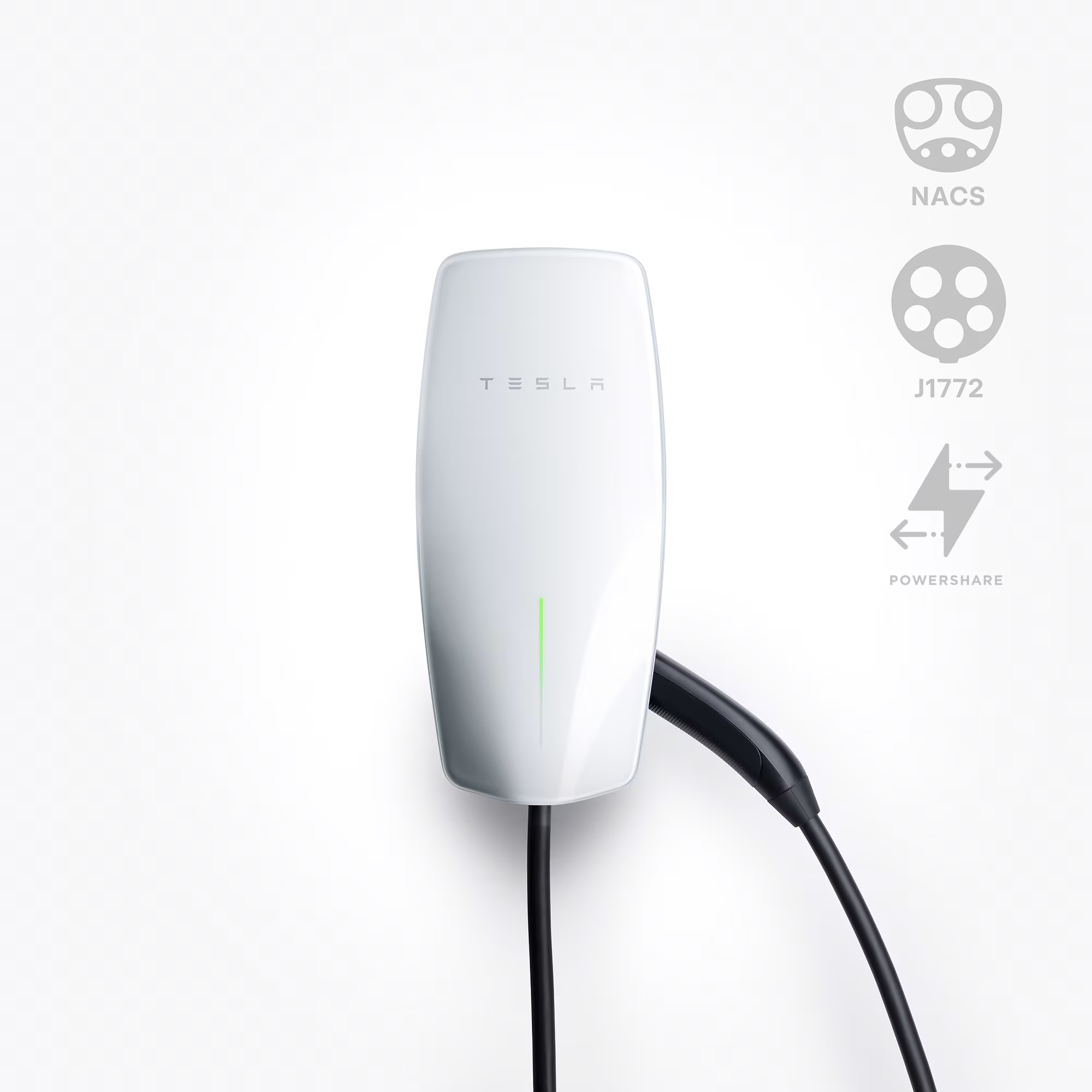
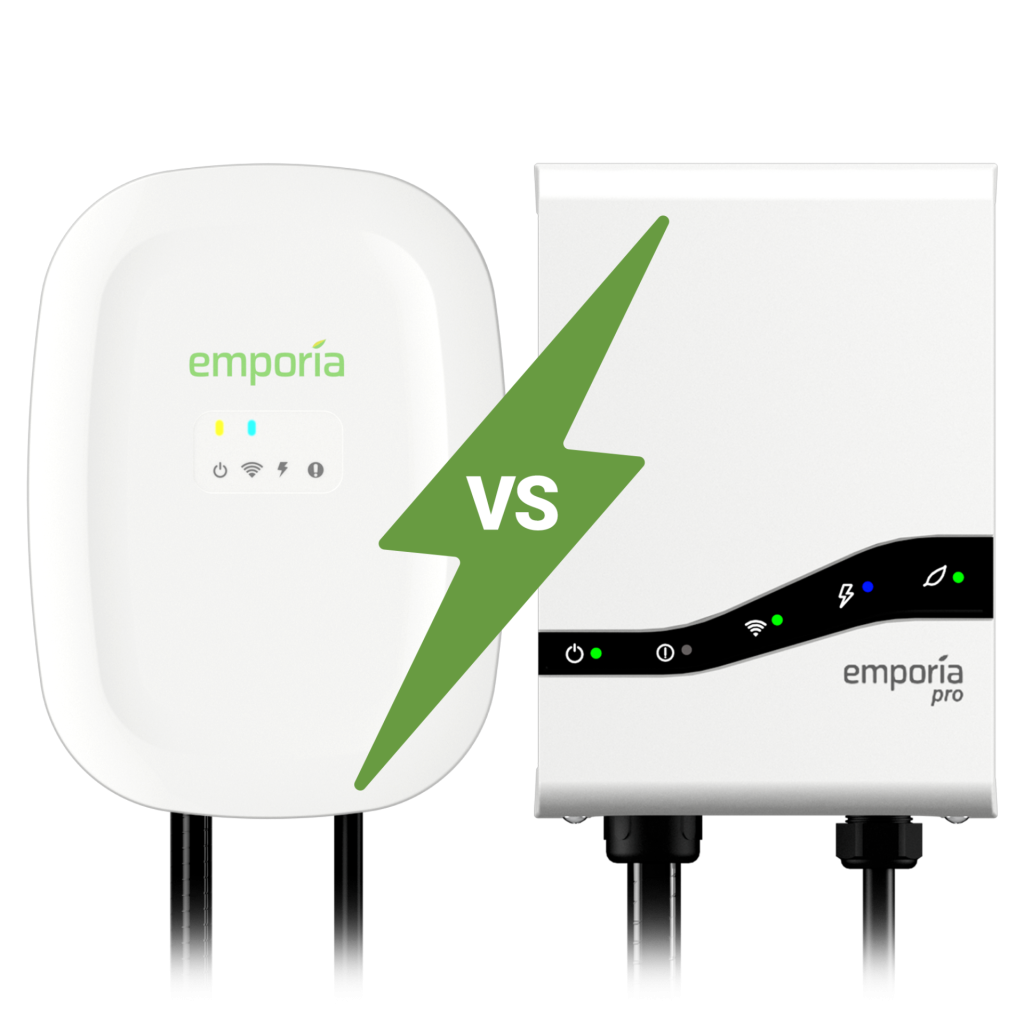
Tesla describes this idea for the Universal Wall Connector as adjusting charge rate in real time based on available power in the electrical panel. Wallbox describes a similar result for Pulsar Plus with a Wallbox power meter: charging speed drops when overall energy consumption is high and rises when more capacity is available. Emporia's PowerSmart approach uses the Vue Energy Monitor to watch real-time home usage and allocate only the available panel capacity to EV charging.
So the real value is not just speed. It is controlled flexibility.
The clearest sign you may need it
You should take dynamic load management seriously if the charger you want would otherwise force an expensive panel or service upgrade, or if the electrician is only comfortable with the install after making very conservative assumptions.
Common warning signs include:
- an older 100 A or otherwise capacity-limited service
- all-electric cooking, heating, hot water, or heat-pump equipment
- a charger that will often run during busy evening household hours
- a future plan for a second EV charger
- a solar or battery system where charging behavior should respond to import/export data
- a panel calculation that works only if several major loads are assumed not to overlap
This is the core distinction from a normal EV charger buying decision. The question is not only "how fast can the charger go?" It is "can the charger behave well when the house is already doing other things?"
When you probably do not need it
Dynamic load management is often unnecessary when the electrical setup is already comfortable.
You may not need it if:
- your electrician confirms there is enough panel and service capacity for the configured charger output
- the EV only needs moderate overnight charging
- a lower fixed amperage comfortably covers your daily driving
- the home has few large overlapping electric loads
- there is no near-term plan for solar, batteries, a second EV, or major electrification
- you do not need the charger to react to real-time household demand
A fixed 24 A, 32 A, or 40 A setup can be boring in the best possible way. If it meets the driver's actual energy need and fits the house cleanly, adding dynamic control may create extra cost and dependency without much benefit.
The most common mistake: treating it as a charger-only feature
Dynamic load management usually depends on a measurement point outside the charger.
That is where many buyers get tripped up. The charger can measure its own charging session, but load management requires a view of the home or panel. A charger that only knows "I am using 9 kW" still does not know whether the oven, dryer, heat pump, and water heater are already using most of the available service capacity.
Most real systems need one of these supporting pieces:
| Measurement method | What it tells the charger | Why it matters |
|---|---|---|
| Main-panel CTs | How much the whole home is using | Lets the charger reduce output when the house is busy |
| Power meter | Available capacity or import/export at the supply boundary | Supports safer dynamic control and sometimes solar features |
| Whole-home monitor | Home load, sometimes circuit load and solar/grid behavior | Useful when EV charging is part of a broader monitoring stack |
| Charger-only session data | What the charger itself consumed | Good for cost tracking, but not enough for true load management |
Tesla's dynamic power management requires a Tesla-approved power meter sold separately from the Wall Connector. Wallbox says energy-management features require a power meter. Emporia PowerSmart depends on the Vue Energy Monitor and main sensors. myenergi's zappi uses Grid CT data to reduce EV charging power when the home is using a lot of electricity.
The pattern is consistent: the charger needs an accurate view of the supply boundary or whole-home demand.
Dynamic load management vs solar charging
These two features overlap, but they are not the same thing.
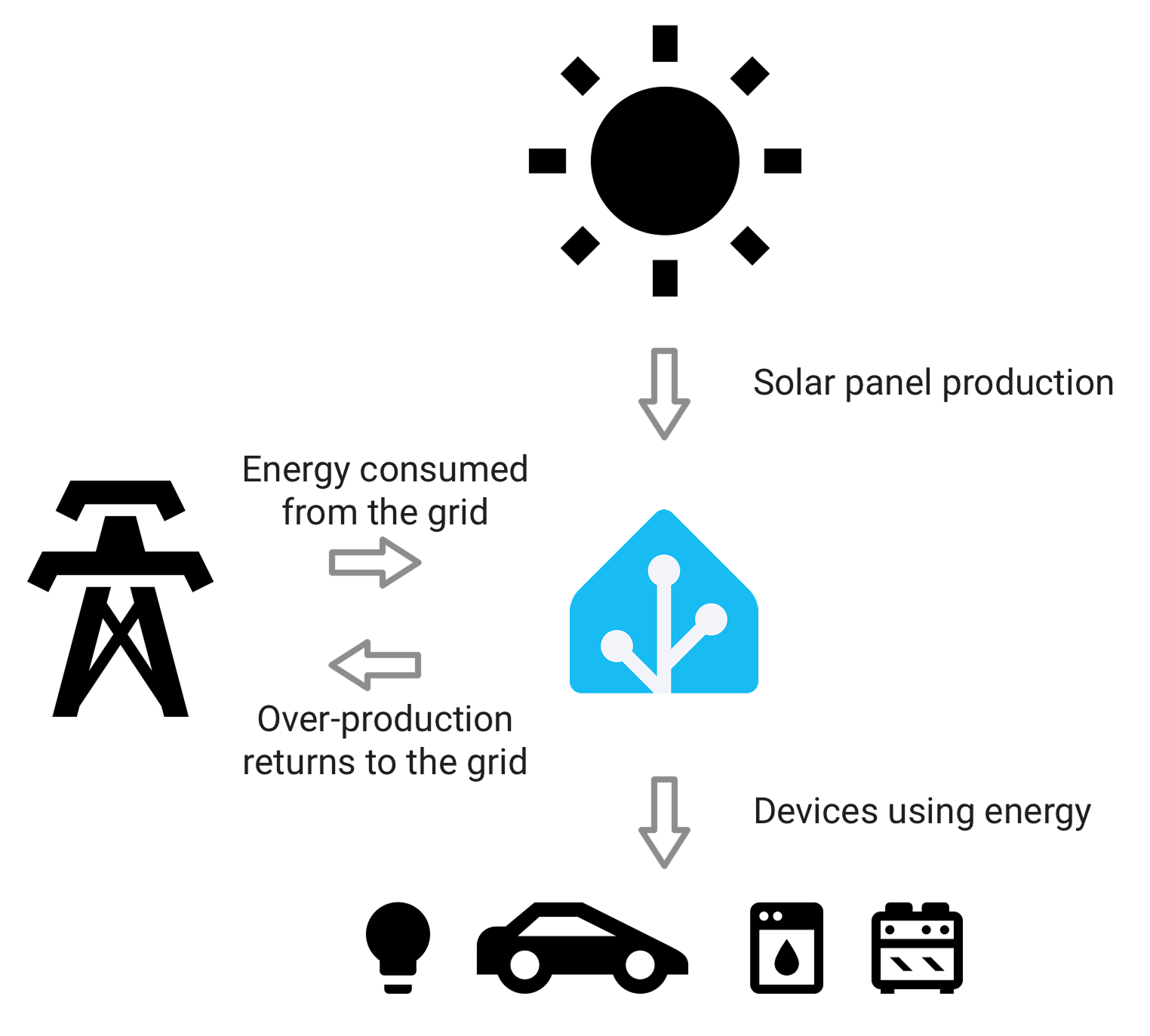
Dynamic load management is about staying within an electrical limit. Solar charging is about using available on-site generation, often by watching grid import/export.
Some systems use similar hardware for both. For example, Wallbox's Pulsar Plus page says the Wallbox Power Meter enables energy management solutions such as Load Management and Solar Charging. The Wallbox Solar Charging guide also explains that solar charging requires a Wallbox energy meter and an inverter export configuration. myenergi similarly uses Grid CT data as part of the way zappi coordinates household demand and charging behavior.
That does not mean every load-managed charger is automatically a great solar charger. Ask separate questions:
- Can it reduce charging when the panel is near its limit?
- Can it follow solar surplus rather than only use a timer?
- Does solar mode need an extra meter or CT?
- Can solar charging and load management run together in the installation type you are planning?
- Does the system still make sense if you add a battery later?
For a solar home, the best setup usually needs both a capacity signal and a grid-boundary signal. Without the grid-boundary view, the charger may not know whether energy is coming from surplus solar or the grid.
Where it helps most
Tight panels
This is the classic use case. If a full-speed charger would overload the home's realistic load profile, dynamic load management can allow charging to use spare capacity without locking the charger to a very low fixed limit forever.
The benefit is practical: the charger can run harder when the house is quiet and back off when household loads rise.
Homes adding more electrification
A home that is fine today may become tighter after adding a heat pump, induction cooking, electric hot water, battery inverter, or second EV.
Dynamic load management can be useful when the household is moving toward electrification but does not want to oversize every infrastructure decision at once.
Second EVs and shared charging
One EV can often be handled with scheduling or a moderate fixed amperage. Two EVs make the problem more dynamic. If both vehicles request charging while the rest of the house is active, a load-managed system can share available capacity more gracefully than two independent fixed-output chargers.
Solar homes
Solar homes need charging to fit into a wider energy picture: grid import/export, self-consumption, battery behavior, tariff windows, and household peaks. Dynamic load management is especially useful when the EV charger is one of the largest controllable loads in that system.
Garages with uncertain real-world use
Some homes look fine in a simple calculation but behave unpredictably in real life. If charging can coincide with laundry, hot water recovery, HVAC, cooking, and battery charging, a live load signal may provide a cleaner margin than relying only on fixed assumptions.
Where it does not solve the problem
Dynamic load management is not a cure-all.
It does not fix poor wiring, bad CT placement, undersized conductors, incorrect breaker settings, or an installation that does not meet local electrical rules. It also does not guarantee the car will always charge quickly. In a very tight home, the charger may spend a lot of time throttled down.
It may not be the right answer when:
- you need reliable high-power charging every night
- the house is already near its limit before EV charging starts
- the chosen charger ecosystem is too restrictive for your future plans
- the cost of the required meter, CTs, installer time, and commissioning approaches the cost of a cleaner electrical upgrade
- the system requires cloud behavior that you are not comfortable depending on
Sometimes the honest answer is a lower configured charge rate. Sometimes it is a panel or service upgrade. Load management sits between those options, not above them.
A practical decision table
| Your situation | Best first direction | Why |
|---|---|---|
| Plenty of electrical headroom and moderate driving | Fixed-amperage Level 2 charger | Simple, reliable, fewer dependencies |
| Tight panel but flexible charging window | Dynamic load management | Lets charging use available capacity instead of a hard low limit |
| Tight panel and high daily mileage | Electrical upgrade or carefully designed load management | You may need guaranteed capacity, not only opportunistic charging |
| Future second EV | Load-managed or power-sharing charger ecosystem | Avoids two chargers fighting for the same capacity |
| Solar now or soon | Charger plus grid-boundary metering | Needed for real surplus behavior and import control |
| Reimbursement or shared billing | Dedicated metering plus load-management if capacity is tight | Billing confidence and capacity control are separate jobs |
What to ask before buying
Before choosing a charger because it advertises dynamic load management, ask these questions:
- What exact meter, CT, or monitor does the feature require?
- Is the extra hardware included, optional, or only available through certified installers?
- Does the system work locally, through the cloud, or both?
- Can it support the panel type in the house, such as split-phase or three-phase?
- Can it handle one charger only, or multiple chargers later?
- Is solar charging compatible with dynamic load management in your planned setup?
- What happens if the meter connection fails?
- Can the system be adjusted if the household later adds solar, a battery, or another major load?
These questions matter because dynamic load management is a system behavior, not just a checkbox on a charger page.
How this differs from separate EV charger metering
Separately metering an EV charger answers, "How much did the charger use?"
Dynamic load management answers, "How much is the charger allowed to use right now?"
Those are related but different jobs. A circuit meter or charger app can be good enough for cost tracking while still being insufficient for load management. Likewise, a main-panel CT system can manage capacity well without producing the kind of formal billing record needed for tenant or employee reimbursement.
For the metering side, read Best Way to Meter an EV Charger Separately Without Replacing Your Main Panel. For panel-capacity prechecks, read What to Check Before Buying an EV Charger for a House With Limited Electrical Headroom.
Bottom line
You need dynamic load management for a home EV charger when the charger must behave around the house, not just beside it.
It is most useful in homes with limited panel capacity, multiple large electric loads, solar or battery plans, or more than one EV. It is less useful when the house has comfortable capacity and a modest fixed charging rate already meets the driver's needs.
The best buying decision is to size the charging need first, confirm the electrical headroom second, and only then decide whether dynamic load management is the cleaner path than lower amperage or a panel upgrade.
Related reading
- What to Check Before Buying an EV Charger for a House With Limited Electrical Headroom
- Best Way to Meter an EV Charger Separately Without Replacing Your Main Panel
- How to Choose an EV Charger If Future Solar Integration Matters to You
- Build a Practical Device Stack for a Solar Home Without Overbuying
- EV Charger Selector