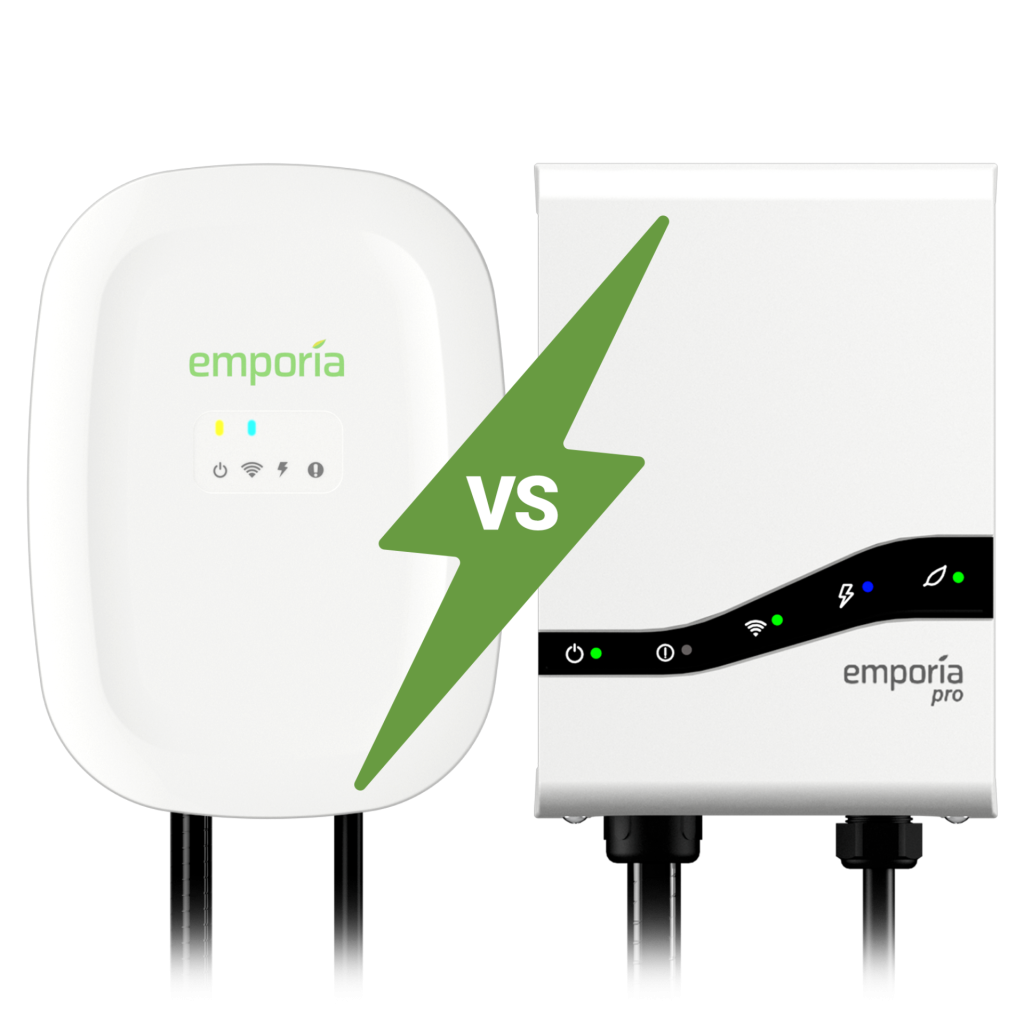
Is a 7 kW EV Charger Enough for Home Use in 2026?
A practical guide to when a 7 kW home EV charger is enough, when it starts to feel slow, and what matters more than raw charging power.
Browse practical coverage of smart meters, solar monitoring, integrations, and setup choices without the usual vendor brochure tone.
Submit article source material for editorial review. We use it to build or improve drafts, not to publish vendor copy directly.
A practical guide to when a 7 kW home EV charger is enough, when it starts to feel slow, and what matters more than raw charging power.
A practical guide to what a home battery can really keep running during a blackout, including whole-home vs partial-home backup, power limits, runtime, and solar recharge.
A practical guide to the best ways to use excess solar at home, including when hot water, EV charging, pool pumps, and batteries make the most sense.
A practical guide to when smart meters reduce electricity costs through tariff timing, solar self-use, EV scheduling, and better usage data.
A practical guide to using interval meter data to judge solar fit, battery fit, and load-shifting potential before you ask for quotes.
A practical Australia-focused guide to when an AC battery retrofit is the smarter add-on, when a hybrid inverter replacement is worth doing, and which homeowner mistakes cost the most.
A practical Australia-focused comparison of Tesla Powerwall 3, BYD Battery-Box Premium HVS/HVM, and SAJ B2 HV Series for backup, sizing flexibility, and value.
A practical buyer guide to three strong home battery choices for Australian solar homes in 2026: Tesla Powerwall 3, BYD Battery-Box Premium HVS/HVM, and SAJ B2 HV Series.
Most solar homes should size a battery from real evening and overnight imports, not from total daily use. This guide shows when 5-8 kWh, 10-14 kWh, or 15+ kWh actually makes sense.
Solar charging is cheapest only when the EV is home in solar hours. If the car mostly charges overnight, a strong off-peak tariff often wins instead.