A battery-ready upgrade is not the same thing as buying a battery later by magic. It means making today's solar, inverter, metering, and switchboard decisions so that adding storage later is technically realistic, economically sensible, and not full of avoidable rework.
For homes that are not ready to buy a battery yet, the best upgrade path is usually: build a trustworthy monitoring foundation, choose an inverter or system architecture that matches the likely future battery route, leave physical and electrical room for storage, and avoid paying for backup wiring until you are sure you need backup rather than just self-consumption.
That sounds less exciting than buying the biggest battery quote on the table. It is also the path that keeps more options open.
Battery-ready planning is about preserving a clean path to storage later, not forcing a battery purchase before the household has enough usage data to size it properly.
The Short Version
If you want to be battery-ready without buying a battery today, prioritize these decisions:
| Decision | What to do now | Why it matters later |
|---|---|---|
| Monitoring | Add reliable import, export, solar, and load visibility | Battery sizing depends on real surplus, night load, and tariff exposure. |
| Inverter path | Choose between hybrid-ready string, AC-coupled battery, or ecosystem battery path | This determines which batteries and backup modes remain practical. |
| Switchboard space | Leave room for battery isolators, gateway hardware, meters, and protection devices | Lack of space can turn a future battery into a larger electrical upgrade. |
| Backup brief | Decide whether backup is essential or optional | Backup wiring can change cost, circuits, transfer equipment, and expectations. |
| Battery compatibility | Check actual supported battery lists, not just marketing language | "Battery-ready" does not mean every battery works with every inverter. |
| Data access | Avoid a closed setup if you want future automation or Home Assistant | Battery value often improves when it can coordinate with loads, tariffs, and EV charging. |
The most common mistake is choosing a solar system that is "battery-ready" in a brochure sense, but not ready for the battery size, backup behavior, metering setup, or data path the home will actually need.
Start With the Reason You Are Not Buying the Battery Yet
A household may delay battery purchase for good reasons:
- battery pricing may not work yet
- tariffs or incentives may change
- the home may add an EV, heat pump, or electric hot water later
- night load is still unknown
- the owner wants solar first and storage after one or two seasons of real data
- backup may sound attractive, but the household is not sure which circuits really need it
Those are all valid reasons to wait. The key is to make today's upgrade useful even if the battery never arrives, while still keeping the future battery path from becoming messy.
A good battery-ready plan should therefore do two jobs at once:
- Improve the solar home's performance today.
- Preserve a low-friction storage path later.
If an upgrade only does the second job, it may be premature. If it only does the first job, it may create expensive rework when storage becomes attractive.
Step 1: Get the Metering Right Before You Size Anything
A battery is sized from behavior, not from panel capacity alone.
Before you commit to a future battery route, the home should be able to see:
- solar generation
- household consumption
- grid import
- grid export
- evening and overnight demand
- major flexible loads such as EV charging, hot water, HVAC, or pool equipment
Without those numbers, a battery quote often becomes guesswork. A home with 10 kWh of daily export may still only need a modest battery if evening demand is low. Another home with less export may need a larger or higher-output battery because the peak evening loads are heavy.
This is where EnergyMeterHub's monitoring-heavy content and device catalog matter. A main meter, inverter-native smart meter, or open energy meter can turn battery planning from a sales conversation into a measured decision.
Useful next reads:
- What to Check Before Adding an Energy Meter to an Existing Solar System
- Main Meter vs Circuit Meter for Solar Homes: Which One Do You Actually Need?
- How to Use Energy Data to Spot Solar Self-Consumption Opportunities You Are Missing
Step 2: Choose the Architecture, Not Just the Brand
There are three common battery-ready paths.
Path A: Hybrid Inverter Now, Battery Later
This means choosing a hybrid or battery-ready inverter during the solar installation, even if no battery is installed on day one.
Best for:
- new solar installs or inverter replacements
- homes where storage is likely within a few years
- buyers who want a cleaner DC-coupled battery path
- households that prefer one inverter ecosystem for solar, storage, and app monitoring
Watch out for:
- compatible battery lists
- whether the quoted inverter is truly the battery-capable model
- backup limitations by model
- whether a simpler string inverter would be cheaper and adequate if storage is only a distant possibility
Fronius GEN24 Plus is a good example of why model detail matters. EnergyMeterHub's Fronius GEN24 Plus profile notes that Plus models include battery connection, while backup features still depend on the eligible model, battery, and switching equipment.
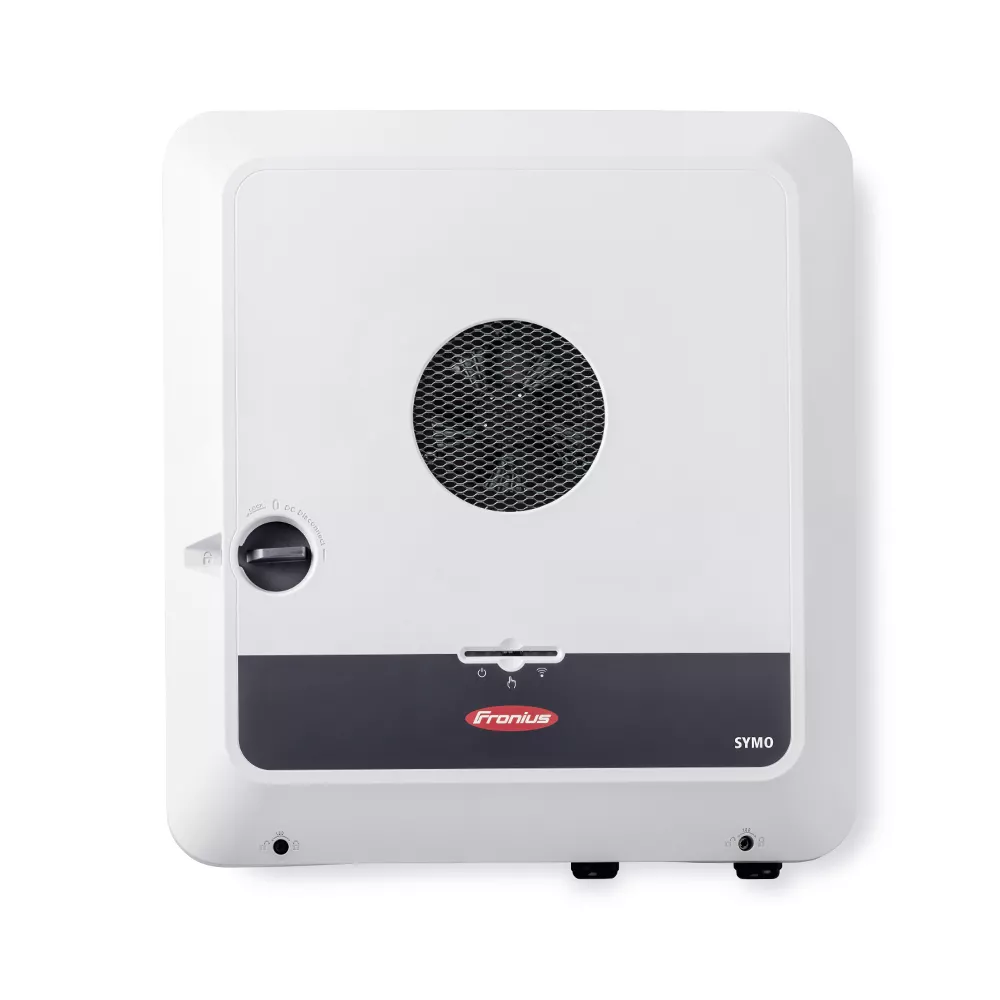
A hybrid-ready inverter can be the cleanest path when storage is likely, but only if the exact model, battery list, and backup mode match the future plan.
Path B: Standard Solar Now, AC-Coupled Battery Later
This means installing a normal grid-tied solar inverter now and adding an AC-coupled battery later.
Best for:
- homes with an existing solar system that is still working well
- buyers who want battery independence from the original inverter brand
- households that may prefer AC-coupled platforms such as Enphase, Tesla, FranklinWH, or other whole-home battery ecosystems
- retrofit cases where replacing the inverter would be wasteful
Watch out for:
- extra gateway or controller hardware
- backup wiring and protected-load panels
- whole-home versus partial-backup design
- whether the battery system can see solar, load, and grid data accurately
Enphase IQ Battery 5P is an example of an AC-coupled storage product where backup capability depends on the wider Enphase system design, including the required system controller in backup configurations. That is not a problem; it is simply a reminder that battery readiness is a system question.
Path C: Ecosystem-Aligned Solar and Battery Planning
Some homes are better served by choosing a brand ecosystem intentionally: inverter, meter, battery, app, and service network all from a tightly supported family.
Best for:
- homeowners who want a simpler installer-led path
- buyers who do not plan to build custom dashboards or local automations
- households where warranty, commissioning, and service clarity matter more than open-data flexibility
Watch out for:
- vendor lock-in
- limited battery choice later
- app or cloud dependency
- whether the ecosystem exposes enough data for future Home Assistant, tariff automation, or EV charging coordination
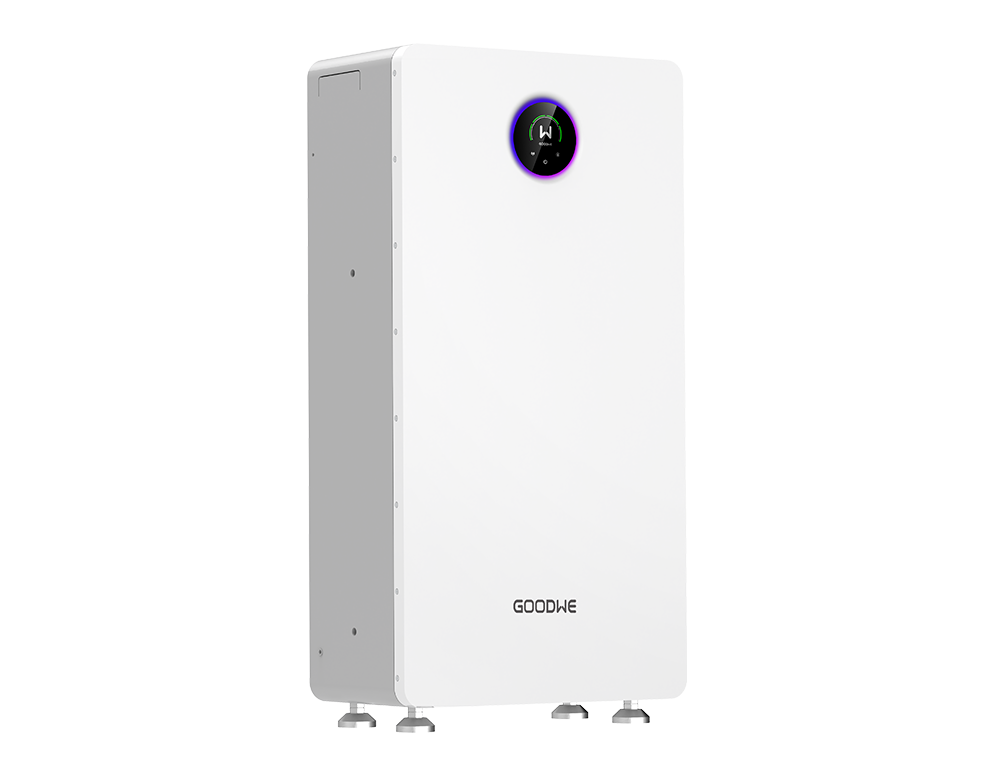
GoodWe's Lynx battery range and smart meter ecosystem is a good example of a tighter inverter-aligned path. It can be very practical when the installer designs the system cleanly, but it should still be checked against the household's capacity, backup, and monitoring expectations.
Step 3: Do Not Confuse Self-Consumption With Backup
This is one of the most important battery-ready decisions.
A battery bought mainly for self-consumption is there to store solar that would otherwise be exported and use it later, usually in the evening or overnight.
A battery bought for backup is there to keep selected circuits, or sometimes the whole home, running during an outage.
Those two goals overlap, but they are not the same project.
Backup can affect:
- battery power rating
- battery capacity
- protected-load panel design
- transfer equipment
- inverter or gateway requirements
- whether heavy loads can be backed up
- installation cost
If you are not sure backup is necessary, avoid overdesigning today's solar install around vague backup language. Instead, document which circuits would actually need backup later: fridge, internet, lights, garage door, medical equipment, well pump, heat pump, or whole-home loads.
This keeps the future conversation specific.
Step 4: Leave Physical and Electrical Room
Battery-ready planning is often very physical.
Before the solar install is finished, check whether there is room for:
- battery cabinet or wall-mounted battery clearance
- required battery isolators and protection equipment
- inverter, gateway, or system controller hardware
- extra DIN-rail metering or communications devices
- future EV charger circuits or load-management equipment
- safe service access around installed equipment
This is not glamorous, but it can save real money later. A home that has the right inverter but no physical room, no spare switchboard capacity, or no clean cable route is not as battery-ready as it looks on the quote.
For homes likely to add an EV charger later, this matters even more. Battery, EV charging, solar export control, and hot-water automation can all compete for switchboard space and measurement points.
Step 5: Check Battery Compatibility Like an Installer, Not a Brochure Reader
Do not stop at the phrase "battery-ready."
Check:
- exact inverter model
- exact battery model or family
- firmware requirements
- region availability
- backup support and limitations
- approved compatibility list
- whether expansion requires identical modules or stacks
- whether the quoted hardware is still current in your market
BYD Battery-Box Premium HVS/HVM is a useful example of why compatibility matters. It is a modular LFP battery platform with wide capacity ladders, but it depends on compatible inverter pairings and correct system design.
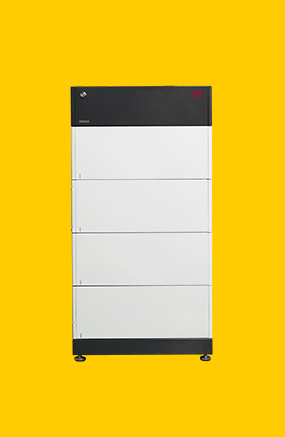
Modular batteries can preserve excellent sizing flexibility, but only when the paired inverter, firmware, region, and expansion rules are all supported.
Step 6: Keep Monitoring and Data Access in the Plan
A battery-ready home should not only be electrically ready. It should be data-ready.
A good data path helps answer questions like:
- How much solar surplus is usually available?
- How much load occurs after sunset?
- Would a smaller battery cycle more usefully than a larger one?
- Would controlled hot water or EV charging deliver better value first?
- Is the battery being reserved for backup too aggressively?
- Are tariff settings changing when the battery should charge or discharge?
Home Assistant, IAMMETER Local, inverter cloud platforms, and vendor apps can all play useful roles, depending on the owner's technical appetite. The important point is to avoid a setup where the battery later becomes another isolated app with poor visibility into the rest of the home.
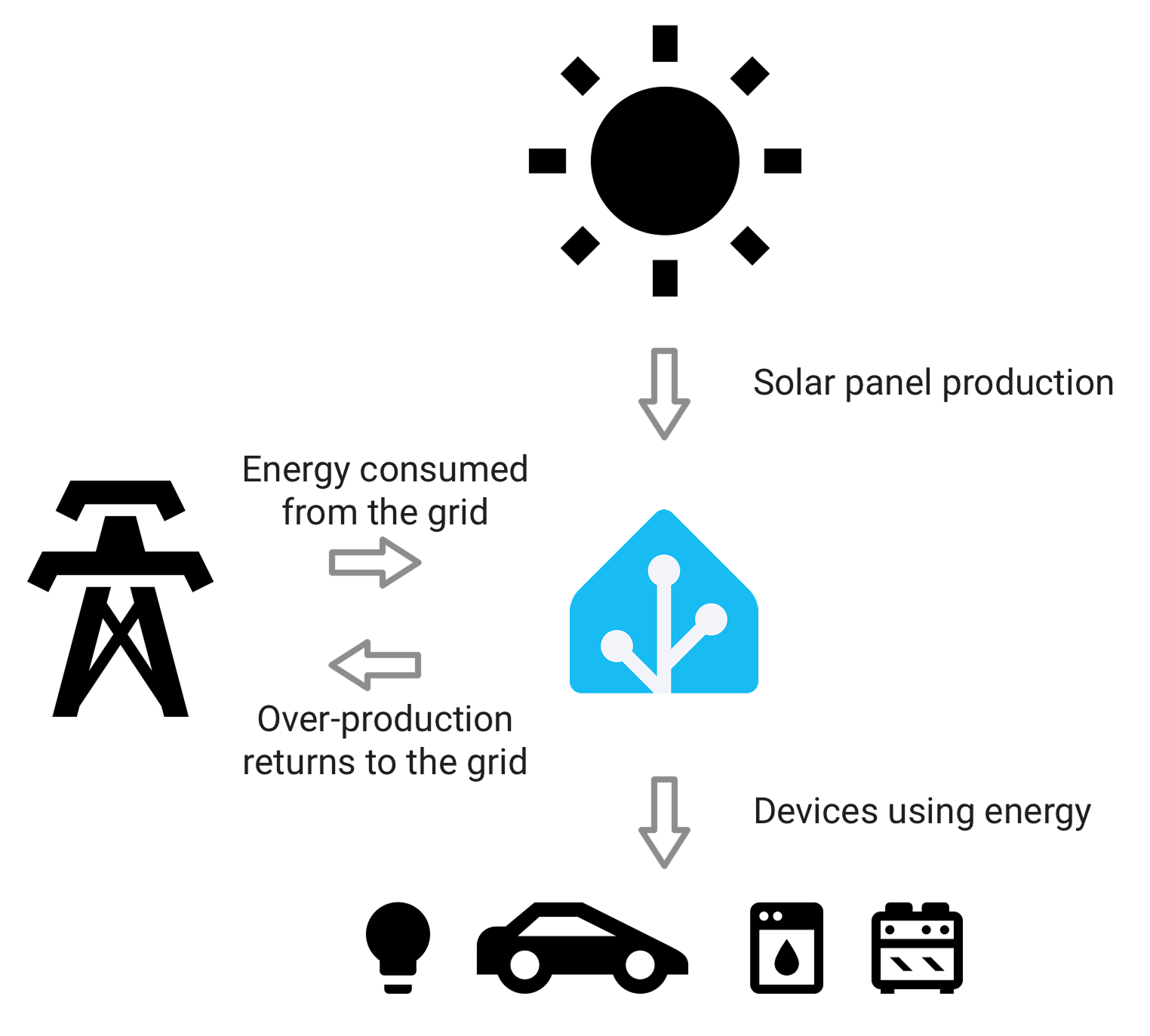
A future battery is easier to evaluate when solar, grid, battery, and load data can be seen together rather than scattered across separate apps.
A Practical Upgrade Sequence
For most homes that are not ready to buy the battery yet, the cleanest order is this:
- Add or confirm proper consumption and import/export monitoring.
- Collect at least several weeks of normal usage data, ideally across seasonal extremes if possible.
- Decide whether the likely future battery goal is self-consumption, backup, tariff shifting, or a mix.
- Choose the solar inverter or retrofit architecture that keeps that goal realistic.
- Leave physical switchboard and wall space for battery hardware.
- Confirm the likely battery families and compatibility path before finalizing the solar quote.
- Revisit battery sizing after real post-solar data is available.
This sequence is deliberately boring. It prevents the two expensive mistakes: buying storage too early, or installing solar in a way that makes storage unnecessarily hard later.
When Paying Extra for Battery-Ready Hardware Is Worth It
Paying extra for battery-ready hardware is usually worth it when:
- the battery is likely within one to three years
- the inverter is being installed or replaced anyway
- the household already knows it wants backup or storage
- the preferred battery ecosystem is clear
- local installer support for the full system is strong
- the extra cost is modest compared with future inverter replacement or rewiring
It is less convincing when:
- the existing inverter is new and working well
- the battery is a vague someday idea
- the household's load shape is unknown
- the quote uses "battery-ready" without naming actual supported batteries
- AC-coupled storage would preserve more flexibility later
A premium hybrid inverter can be the right move. It can also be a costly way to buy optionality you never use. The difference is evidence.
What to Ask Your Installer
Before signing a solar quote intended to be battery-ready, ask:
- Which exact batteries are compatible with this inverter today?
- Does that list apply in my country and utility context?
- What extra hardware would be required for backup?
- Would backup cover the whole home or only selected circuits?
- Is the switchboard being left with enough space for battery equipment?
- How will import, export, solar production, and household load be measured?
- Can the monitoring data be exported or integrated later?
- If I add an EV charger later, does that change the battery or metering plan?
- What would be wasted if I choose not to buy a battery after all?
The last question is underrated. A good battery-ready design should still make sense even if storage is delayed or never installed.
Bottom Line
The best battery-ready upgrade path is not simply "buy a hybrid inverter." It is a staged plan: measure the home properly, choose the right storage architecture, preserve electrical and physical room, confirm real compatibility, and separate self-consumption goals from backup goals.
For a new solar install where storage is likely soon, a hybrid-ready inverter can be the cleanest route. For an existing solar home or a buyer who wants brand flexibility, AC-coupled storage later may be the smarter path. For ecosystem-focused buyers, inverter-aligned batteries can be excellent, as long as the supported battery list and backup design are checked before the quote is accepted.
The most practical move today is often not buying the battery. It is making sure the home will not need to undo today's solar decisions when the battery finally makes sense.
Related Reading
- What to Check Before Buying a Battery Mainly for Self-Consumption Instead of Backup
- Best Meter Setup for a Hybrid Inverter and Battery Home in 2026
- How to Monitor Solar, Battery, Grid, and Household Load Without Ending Up With Confusing Data
- How to Choose Between a Simpler String Inverter Setup and a More Flexible Solar System in 2026
- What to Check Before Adding an Energy Meter to an Existing Solar System
- Fronius GEN24 Plus
- BYD Battery-Box Premium HVS/HVM
- GoodWe Lynx A G4 Series