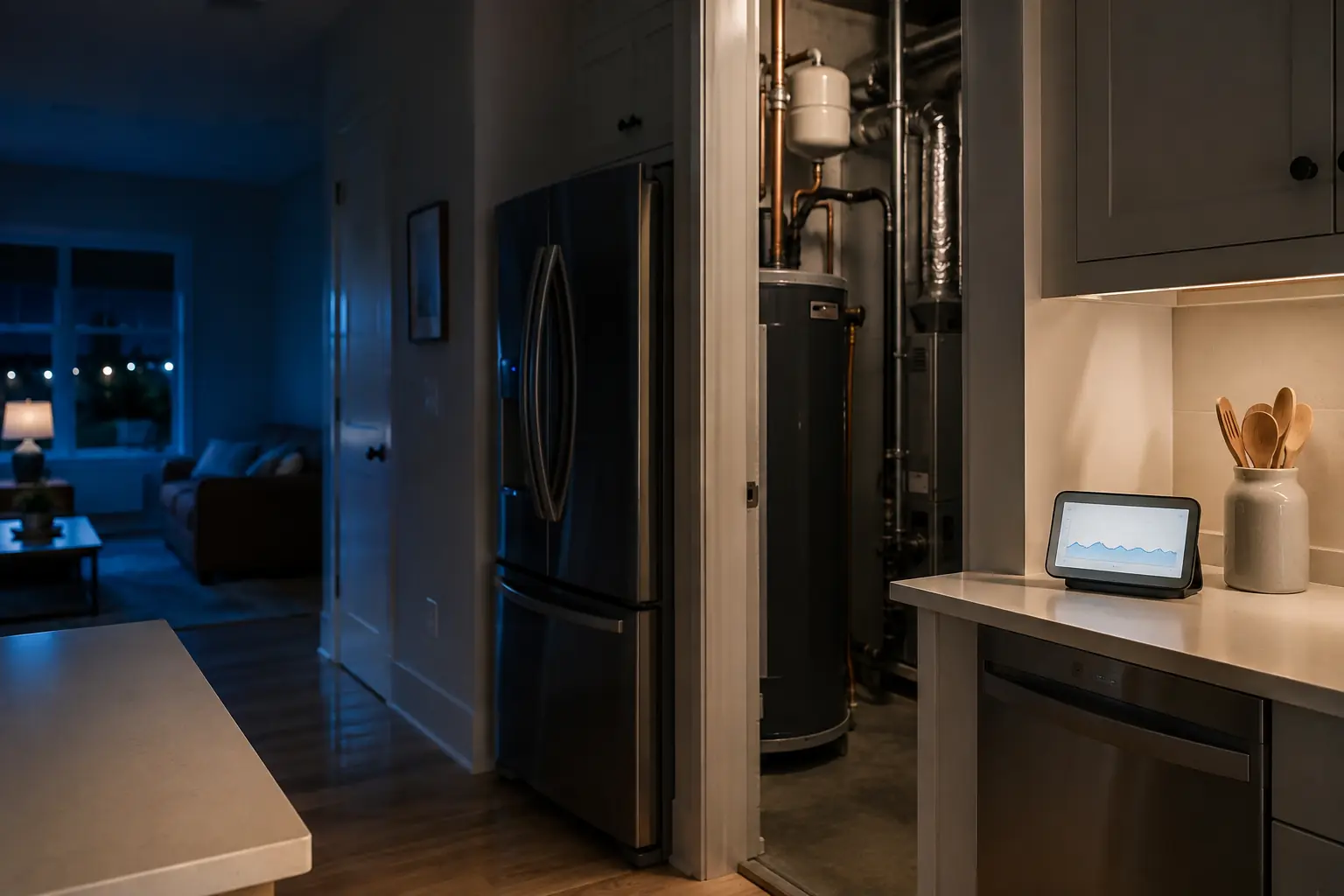
Most homes never reach zero electricity use overnight. Refrigerators cycle, network equipment stays online, hot-water systems recover, HVAC responds to temperature and humidity, and scheduled loads may start after everyone goes to bed. The important question is not whether your home uses power at night. It is whether the overnight pattern is reasonable for your equipment or points to a load that is oversized, mis-scheduled, failing, or simply forgotten.
The fastest way to find out is to stop treating "night use" as one number. Look at its shape. A flat baseline suggests many small always-on loads. Regular blocks often indicate a timer or thermostat. Sharp repeating spikes usually come from cycling equipment. A long, high plateau can be an EV charger, electric water heater, space conditioning system, pool pump, or another large load.
This guide shows how to read those patterns, test likely causes without guessing, and choose the least complicated monitoring tool that can answer the question.
First, calculate how much the overnight load really costs
Power and energy are related, but they are not interchangeable:
- Power (W or kW) is how fast electricity is being used at a moment.
- Energy (kWh) is the accumulated use over time and is what most household tariffs bill.
A steady 300 W baseline lasting eight hours uses:
0.3 kW × 8 hours = 2.4 kWh
Repeat that every night and it becomes about 72 kWh over a 30-day month. Multiply by your own applicable energy rate to estimate the cost. If you are on time-of-use pricing, apply the rate for each interval rather than one average price.
Do not judge the problem from a single night. Download at least two weeks of interval data if your utility or smart-meter portal allows it. Compare weekdays with weekends, mild nights with very hot or cold nights, and nights when the EV was home with nights when it was away. The U.S. Department of Energy's Green Button guidance notes that customer data may be available in 15-minute, hourly, daily, or monthly intervals, depending on the utility.
For a practical spreadsheet method, see How to Use Smart Meter Data to Find the Hours That Cost You Most.
Read the shape before blaming an appliance
The overnight curve often gives you a useful first hypothesis.
| Pattern | Likely explanation | Best next check |
|---|---|---|
| Low, nearly flat line | routers, security, controls, chargers, standby electronics | add up known always-on loads and test plug loads |
| Small repeating spikes | refrigerator, freezer, sump pump, dehumidifier | compare cycle timing and room conditions |
| One or two large blocks | water heating, pool equipment, dishwasher, laundry timer | inspect schedules and circuit data |
| Long high plateau | EV charging, resistance heating, HVAC, pool pump | check device history and start/stop times |
| Weather-linked rise | heating, cooling, dehumidification, heat-trace equipment | compare use with outdoor temperature and humidity |
| New continuous increase | failed control, stuck heater, old second fridge, pump fault | isolate the affected circuit and arrange service if needed |
This is a diagnostic guide, not a promise that one shape always maps to one device. Whole-home data can show when something happened, but several appliances may overlap. Confirm the hypothesis before changing settings or replacing equipment.
The most common sources of overnight electricity use
Refrigerators and freezers
Refrigerators and freezers operate around the clock. Their compressors cycle to maintain temperature, and automatic defrost or ice-making functions can add distinct bursts. A second refrigerator or old freezer in a hot garage may use more energy than expected, especially if its door seal is poor, airflow is restricted, or frost is accumulating.
A healthy refrigerator normally produces cycles rather than an uninterrupted high plateau. If a unit appears to run almost continuously, first check simple causes: door closure, seal condition, temperature setting, blocked vents, dust around accessible condenser areas, and unusually warm surroundings. Do not disconnect a refrigerator for an overnight test if food safety could be affected.
ENERGY STAR's refrigerator criteria and replacement calculator are useful for comparing measured annual energy use with the label or an older unit's likely consumption.
Electric water heating
Water heating can run after evening showers, during an off-peak controlled period, or whenever a storage tank replaces heat lost to the room. The Department of Energy identifies water heating as one of the largest household energy uses, so it deserves attention when overnight consumption appears in substantial blocks.
Check whether the water heater is on a utility-controlled circuit, a timer, a home-energy-management schedule, or a heat-pump operating mode. Also look for hot-water leaks, a circulation pump that runs continuously, an excessively high setpoint, or a schedule that reheats earlier than necessary.
Do not remove covers or work inside a water-heater electrical compartment. Schedule changes, plumbing faults, and unusual continuous operation may require a qualified technician.
Heating, cooling, and dehumidification
An empty-looking house can still be working hard overnight. Outdoor temperature may fall, humidity may rise, or a thermostat may maintain the same setpoint used during occupied hours. Heat pumps can also enter defrost cycles in cold conditions. Basement dehumidifiers, ventilation equipment, and electric resistance backup heat can create patterns that are easy to mistake for standby power.
Compare the overnight curve against weather and thermostat history. A load that rises only on hot, cold, or humid nights is more likely environmental than a constant electronic standby load. Use comfort and moisture limits sensibly; reducing energy use should not create condensation, frozen pipes, unsafe temperatures, or poor indoor air quality.
Pool pumps, well pumps, sump pumps, and circulation pumps
Pumps can be large, scheduled, and invisible from inside the house. Pool filtration is often intentionally run at night, while well and sump pumps start in response to water demand or level. A hot-water circulation pump may run continuously when it only needs a limited schedule or demand control.
Look for a clean rectangular block at the same time each night. Then compare the controller schedule with the smart-meter timestamps. ENERGY STAR notes that pool timers and variable-speed operation can materially reduce unnecessary pump runtime, but the correct schedule still depends on the pool, climate, sanitation requirements, and local rules.
EV charging and battery charging
An EV charger may start when an off-peak window opens, even if the car was connected hours earlier. A home battery may also charge from the grid when its tariff-control mode permits it. Both can make overnight use look alarming while still reducing cost.
Check energy, not just peak power. Confirm how many kWh the EV or battery added, which tariff applied, and whether the schedule completed as intended. If charging overlaps with heating or other large loads, also check supply capacity and any dynamic load-management settings.
Standby electronics and connected devices
Routers, mesh Wi-Fi nodes, set-top boxes, speakers, security systems, garage-door controls, smart-home hubs, chargers, printers, and appliances with networked controls can all draw power while nobody is actively using them. The Department of Energy defines standby power as consumption by devices that appear off, and notes that it can be a significant part of product energy use.
One device may be trivial. Dozens of devices create the flat floor visible throughout the night. Focus first on equipment that is duplicated, old, warm to the touch, or unnecessary overnight. Do not switch off safety, medical, communications, leak-detection, refrigeration, or security equipment without understanding the consequence.
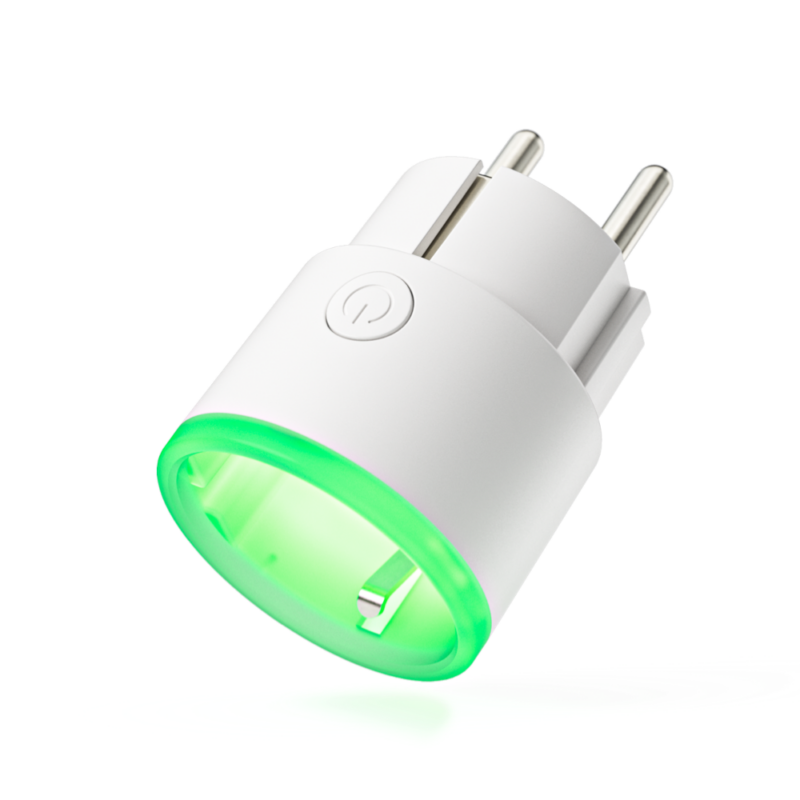
An energy-monitoring socket can confirm whether one plug-in appliance contributes to the overnight baseline. Check voltage, current, and load-rating compatibility before use.
Use a four-level monitoring ladder
Start with the least invasive method that can settle the question.
Level 1: Utility interval data
Utility data is best for proving that a repeatable overnight pattern exists and estimating its monthly cost. Fifteen-minute or hourly data can reveal scheduled blocks, but it usually cannot identify the device.
Use it to answer:
- When does the load start and stop?
- Does it occur every night?
- Does it track weather, occupancy, or EV presence?
- Is the cost driven by energy volume, tariff timing, or both?
Level 2: Device apps and controller histories
Check the native history for EV chargers, batteries, thermostats, water heaters, pool controllers, solar systems, and major smart appliances. Align their timestamps with the utility curve. Watch for timezone mismatches and daylight-saving changes; a one-hour offset can create a false mystery.
Level 3: Plug-in energy monitors
For safely accessible plug loads, a properly rated monitoring socket can measure refrigerators, dehumidifiers, entertainment equipment, office equipment, or a garage freezer. Measure for several complete days because thermostatic appliances vary with ambient conditions and use.
Never use a plug monitor on hardwired equipment or on a load outside its stated voltage, current, environment, and appliance compatibility. Avoid improvised adapters.
Level 4: Circuit or whole-home monitoring
If the unexplained load is hardwired or several loads overlap, circuit monitoring can separate HVAC, water heating, EV charging, pool equipment, and general plug circuits. A whole-home monitor establishes the total; individual circuit channels explain where it goes.
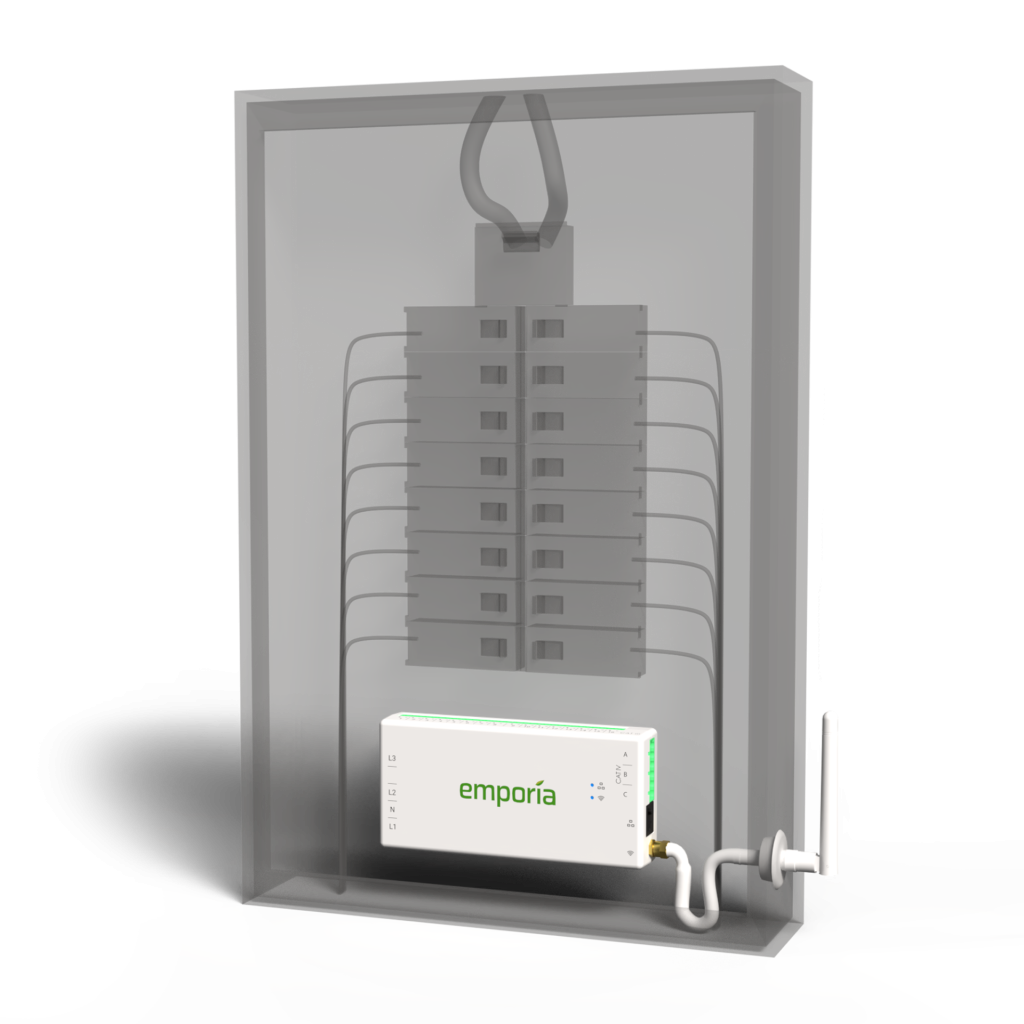
Multi-circuit monitoring is useful when whole-home data shows a recurring overnight block but device-level histories do not explain it. Panel installation should be completed by a qualified professional.
Compare approaches in Is a Whole-Home Energy Monitor Worth It for a Normal House? and browse EnergyMeterHub's energy monitoring devices.
A safe seven-night isolation plan
Use controlled tests rather than turning off everything at once.
- Nights 1-2: establish the baseline. Record overnight kWh, minimum demand, peak demand, weather, occupancy, EV charging, and any unusual appliance use.
- Night 3: verify schedules. Check the EV charger, battery, water heater, pool controller, thermostat, dishwasher, laundry, irrigation, and smart-home automations.
- Night 4: test nonessential plug loads. Switch off one sensible group, such as entertainment or office equipment, while leaving safety and essential equipment untouched.
- Night 5: measure one suspected appliance. Use a rated plug monitor for a refrigerator, freezer, dehumidifier, or other compatible device without risking food or building safety.
- Night 6: compare a large-load-free night. If practical, choose a night with no EV charging or delayed dishwasher/laundry and compare the curve.
- Night 7: repeat the most revealing test. Repetition helps distinguish a real cause from weather or random cycling.
Change one variable at a time. If you alter five schedules together, you may reduce use but still learn nothing about which change mattered.
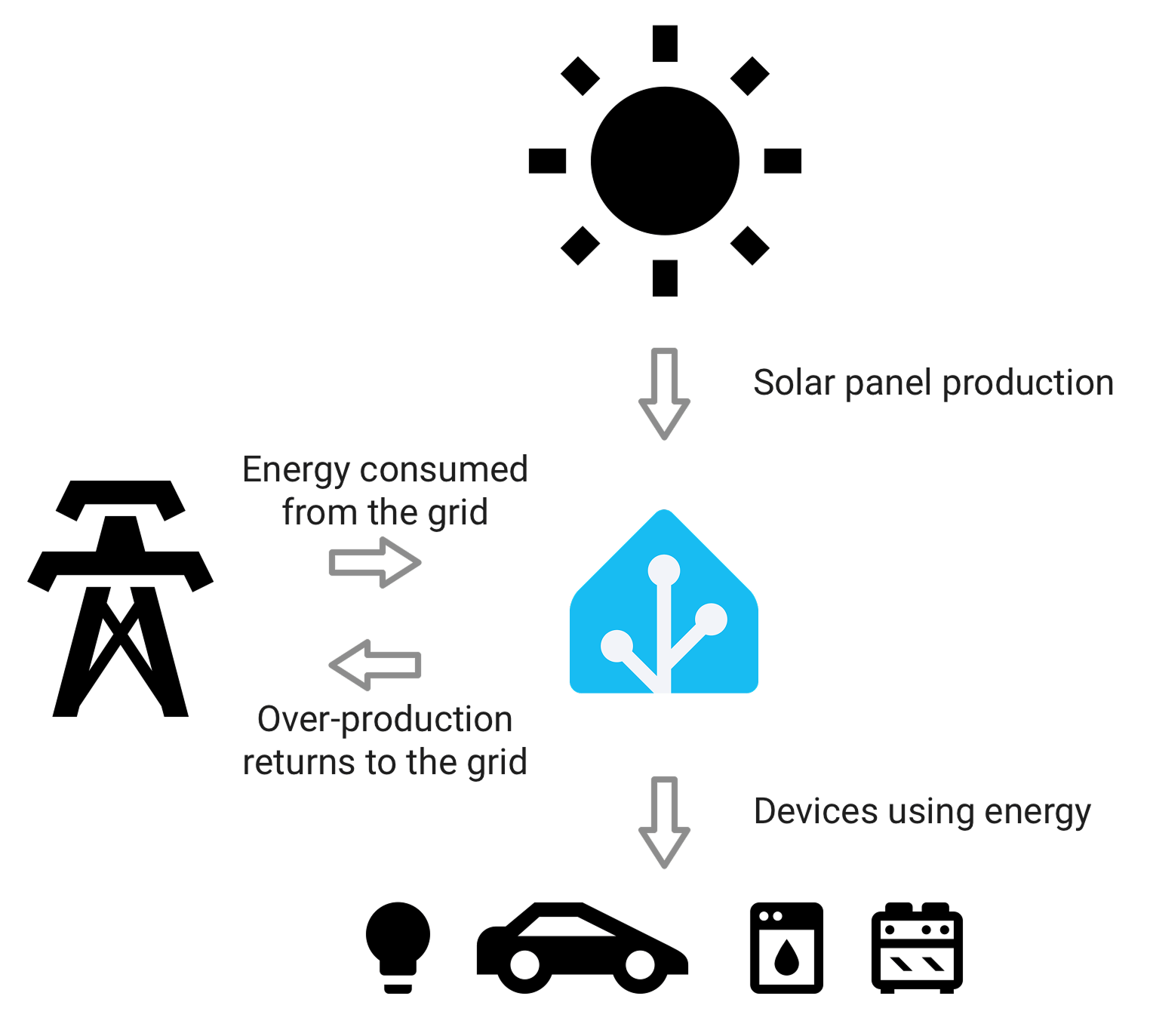
A dashboard becomes useful when it keeps grid, solar, battery, and major-load definitions consistent. Compare the same overnight window across several days.
What not to switch off
Some overnight loads protect people, food, equipment, or the building. Do not casually disable:
- medical or accessibility equipment;
- smoke, carbon-monoxide, leak, or security systems;
- refrigerators and freezers containing food or medicine;
- sump pumps, freeze protection, or essential ventilation;
- communications equipment needed for emergency contact;
- solar, battery, or EV safety controls;
- hardwired circuits you are not qualified to isolate.
If a hardwired appliance seems to run continuously, smells hot, trips protection, produces unusual noise, or shows damaged wiring, stop the diagnostic experiment and contact a qualified electrician or service technician.
When the overnight load is probably acceptable
A higher night load may be reasonable when it is explained, scheduled, and economical. Examples include an EV charging at a favorable rate, a battery performing permitted tariff optimization, a heat pump maintaining safe indoor conditions, or a water heater using a controlled period.
The goal is not the lowest possible nighttime number. It is a load profile you can explain. Keep a load when its service is valuable and its schedule is intentional. Fix or reschedule it when it delivers little value, runs longer than necessary, or operates in an expensive window without a good reason.
When to investigate further
Escalate the issue when:
- the baseline rises suddenly and stays high;
- a compressor, heater, or pump appears to run continuously;
- night use is much higher than comparable mild-weather nights;
- device histories and the utility meter disagree materially;
- a timer keeps drifting or restarting;
- the load remains after all safe plug-level tests;
- you suspect a wiring, metering, phase-mapping, or equipment fault.
For solar homes, import/export sign errors or incorrect CT placement can also make night data confusing. See Why Your Energy Monitor Shows Negative Power and Why Your Home Energy Monitor Shows Zero Export When Solar Is Producing.
The practical decision
Start with two weeks of interval data. Calculate the overnight kWh, identify the curve shape, align it with device schedules, and test one load at a time. Use plug monitoring for compatible appliances and circuit monitoring only when the remaining question justifies it.
A normal home has an overnight baseline. An unexplained home has a problem. Once every recurring block has a name, schedule, and purpose, you can decide whether to leave it alone, move it to a cheaper period, repair it, or replace it.
Sources
- U.S. Department of Energy: Green Button interval energy data
- U.S. Department of Energy: Measuring Standby Power
- U.S. Department of Energy: Home Upgrades and water-heating energy use
- U.S. Department of Energy: Energy Management Information System capabilities
- ENERGY STAR: Refrigerators and Freezers Key Product Criteria
- ENERGY STAR: Pool Pumps
- ENERGY STAR: Dehumidifiers