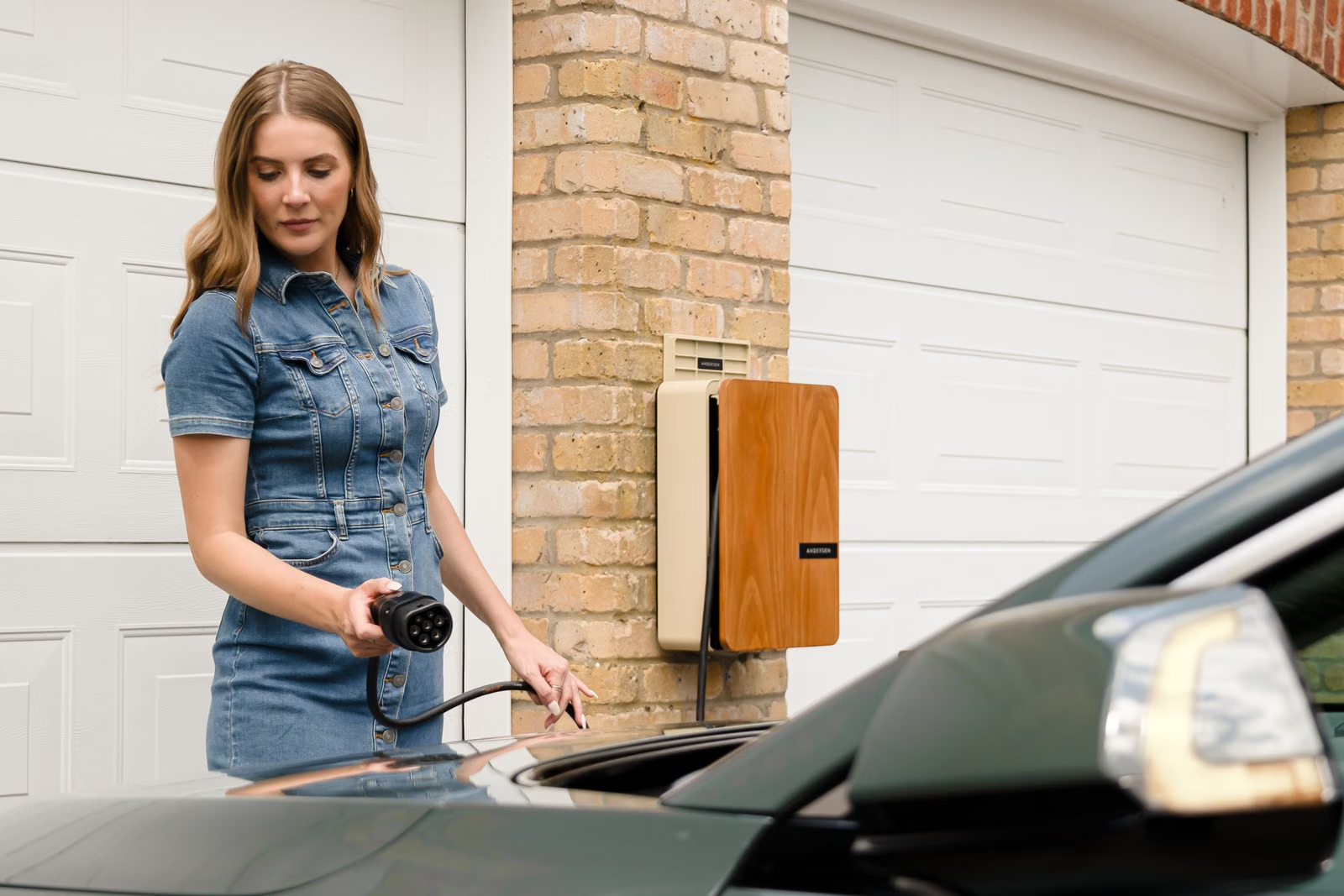
Yes, an EV charger, air conditioner and electric oven can often run at the same time, but only when the home's supply, switchboard, branch circuits and phase arrangement have enough usable capacity for the actual overlap. The safe answer does not come from adding three brochure ratings or waiting to see whether a breaker trips.
An EV charger is usually the easiest of the three loads to control. Unlike an oven that cycles or an air conditioner whose input changes with conditions, a charger can draw steadily for hours. A correctly designed system can set a lower fixed charging current, schedule charging outside cooking and cooling peaks, or use dynamic load management to reduce charging automatically when the house gets busy.
This guide shows how to make that decision without guessing. It is written for homeowners and energy-monitoring users; final circuit sizing, maximum-demand calculations and installation work must follow local rules and be completed by a qualified electrician.
The short answer
You are more likely to run all three loads comfortably when:
- the electrical supply has documented spare capacity;
- the EV charger is configured for the home's real charging need rather than its maximum advertised output;
- the air conditioner and oven have dedicated, correctly protected circuits;
- large loads are distributed appropriately across phases where the home has three-phase or split-phase service;
- a whole-home meter or load-management system can reduce EV charging before the site limit is reached; and
- the switchboard, consumer mains and service equipment are suitable for the proposed demand.
You should arrange a professional assessment when the service rating is unknown, the board is crowded or outdated, major loads already cause nuisance trips, the charger is being added to an all-electric home, or several future upgrades are planned.
Why three appliance ratings do not answer the question
The nameplate power of a device describes a rated or maximum condition. It does not tell you how every load behaves together over an evening.
The three loads have different profiles:
| Load | Typical operating pattern | What matters for capacity |
|---|---|---|
| EV charger | Can remain near its configured current for hours | Charging current, duration, circuit design and whether output can be reduced |
| Air conditioner or heat pump | Input changes with outdoor temperature, setpoint, compressor speed and defrost or startup behavior | Maximum input, startup behavior, number of zones and the worst weather condition |
| Electric oven or cooktop | Elements switch on and off under thermostat or power control | Connected rating, which elements are used together and overlap during preheat or cooking |
| Other household loads | Hot water, dryer, kettle, pool equipment and battery charging may overlap unexpectedly | The whole-home peak, not only the three named devices |
This is why a simple sum can be too pessimistic in one home and dangerously incomplete in another. It may assume every heating element runs continuously, yet forget an electric water heater, clothes dryer or second air-conditioning unit.
An electrician's demand assessment applies the method required in the local jurisdiction and considers the actual installation. Monitoring can add evidence, but it does not replace that calculation.
Start with four different limits
Homeowners often refer to "the panel limit" as if there were one number. In practice, at least four limits matter.
1. The utility or service limit
This is the capacity made available to the property through the service conductors, service protection and metering arrangement. The main switch or main breaker is an important clue, but it may not describe every upstream constraint.
For a rough sense of scale only, a 230 V single-phase supply at 63 A corresponds to about 14.5 kVA before considering power factor, local demand rules or safety margin. That arithmetic is not permission to operate continuously at 63 A.
2. The switchboard and consumer mains
A modern enclosure with spare breaker spaces does not automatically mean the incoming conductors or service can support another large load. Conversely, a sound supply may still need switchboard work to add suitable protection, isolation, metering or a dedicated EV circuit.
See Do You Need a Switchboard Upgrade Before Solar, a Battery, or an EV Charger? for the distinction between board condition, physical space and supply capacity.
3. Each branch circuit
The oven, air-conditioning system and EV charger normally have their own circuit requirements. Spare whole-home capacity does not make an undersized cable or incorrect protective device acceptable. The charger installation also needs the protection, earthing and disconnection measures required locally.
4. Phase capacity and balance
A three-phase home has more design options, but the total capacity cannot simply be treated as one unlimited pool. A large single-phase charger, oven and air-conditioning compressor placed on the same phase may create a problem even when the other phases are lightly loaded.
A split-phase North American service has a different arrangement again: 240 V loads use both legs, while 120 V loads must still be distributed appropriately. For a fuller comparison, read Single-Phase vs Three-Phase Power for Homes.
Work out the EV energy you actually need
Many charging designs begin with the charger's maximum rating. A better starting point is the energy that must be returned to the car before its next trip.
Use:
required charging power = daily energy to replace / available charging hours
If the car needs 24 kWh after normal losses and is parked for eight hours, the average power required is about 3 kW. A charger capable of 7.4 kW or 11 kW may still be useful, but it does not need to draw that maximum all night.
The Australian Government notes that dedicated home chargers commonly fall in the 7-22 kW range, while a standard outlet is much slower. The U.S. Department of Energy's Alternative Fuels Data Center similarly advises homeowners to have an electrician confirm that the home has adequate capacity for Level 2 charging.
The practical lesson is universal: choose charging power from driving need, parking time and electrical headroom. Faster is valuable when the car arrives nearly empty and must leave soon. It offers little benefit when the vehicle sits for ten hours and needs a modest top-up.
A worked single-phase example
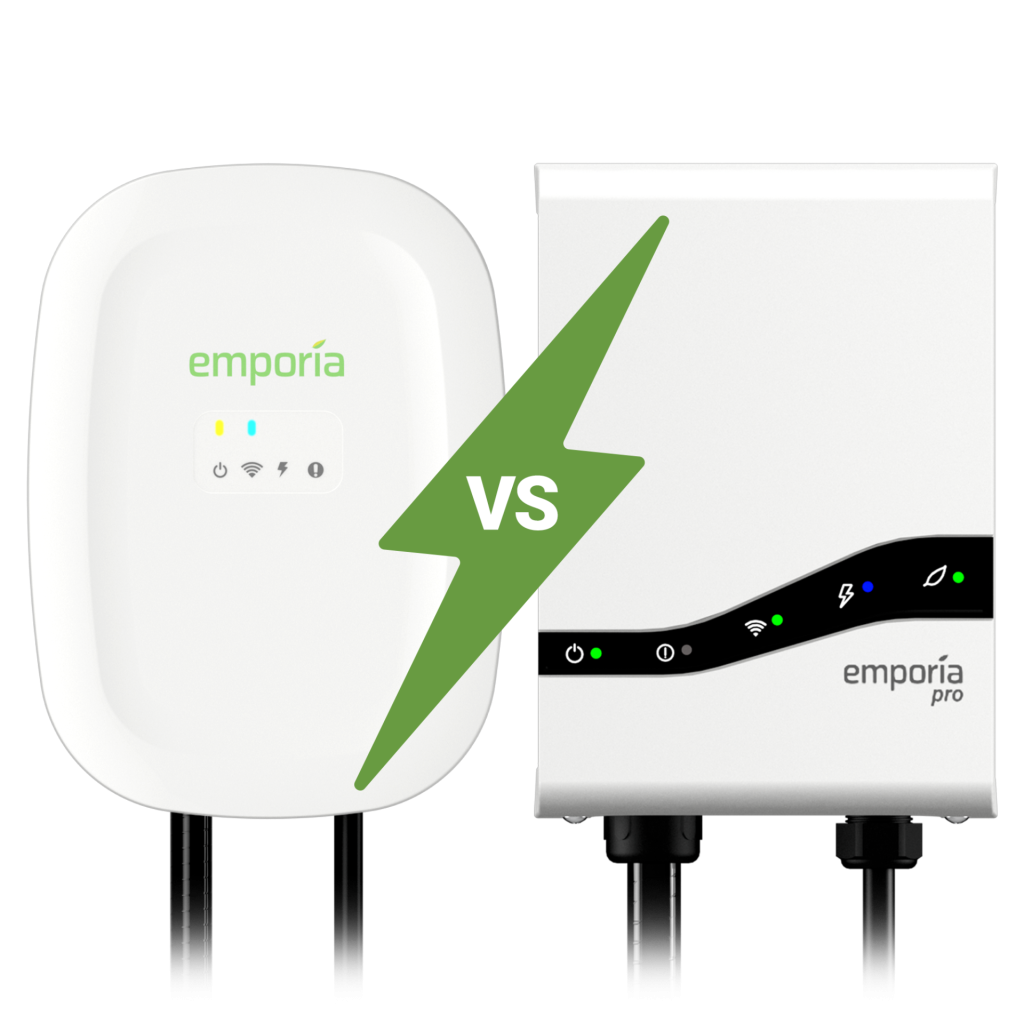
Consider an illustrative 230 V home with a documented 63 A supply limit. Do not reuse these numbers as an installation design.
During a hot evening, measurements or equipment data suggest:
- other household load: 1.5 kW;
- oven during a high-input period: 3.0 kW;
- air conditioner electrical input: 3.5 kW; and
- EV charger at full single-phase output: 7.4 kW.
The total is 15.4 kW, already above the simple 14.5 kVA voltage-times-current reference. The exact current also depends on voltage, power factor and equipment behavior, but the example clearly lacks comfortable headroom.
Reduce the charger to about 3.7 kW and the total falls to 11.7 kW. Schedule charging after cooking and the available margin increases again. Dynamic load management can make the adjustment automatically as the oven and compressor cycle.
This example exposes the real design choice. The household may not need a faster service; it may need a charger that is configured and controlled around the home. But if the driver regularly needs 7.4 kW while the other loads must operate, a supply upgrade or different phase arrangement may be the honest solution.
Three ways to make the loads coexist
Option 1: Use a lower fixed charging current
A qualified installer can configure many chargers below their maximum rating. This is often the simplest answer when a moderate overnight rate meets the driver's needs.
Advantages:
- predictable demand;
- fewer sensors and communications dependencies;
- lower equipment and commissioning complexity; and
- easy behavior for the household to understand.
The tradeoff is that spare capacity cannot be reclaimed automatically when the house is quiet.
Option 2: Schedule charging outside the busiest period
If cooking ends at 20:00 and the car remains parked until morning, delaying charging can avoid the most obvious overlap. Time-of-use pricing may make the same schedule cheaper.
Scheduling works best when daily travel is predictable. It is weaker when cooling, water heating or other large loads continue through the night, or when the car sometimes needs an urgent charge.
Option 3: Add dynamic load management
Dynamic load management measures whole-home demand and changes EV charging current in response. Tesla describes its system as reducing charging when household use rises and increasing it when capacity becomes available. myenergi documents a grid-limit function that uses current-transformer data to curtail charging before an import-current limit is exceeded.
This approach is valuable when:
- the home has limited spare capacity;
- the charger is the largest flexible load;
- air conditioning, cooking and hot water overlap unpredictably;
- the household wants the fastest charge available without a fixed high draw; or
- the system may later coordinate solar, a battery or a second EV.
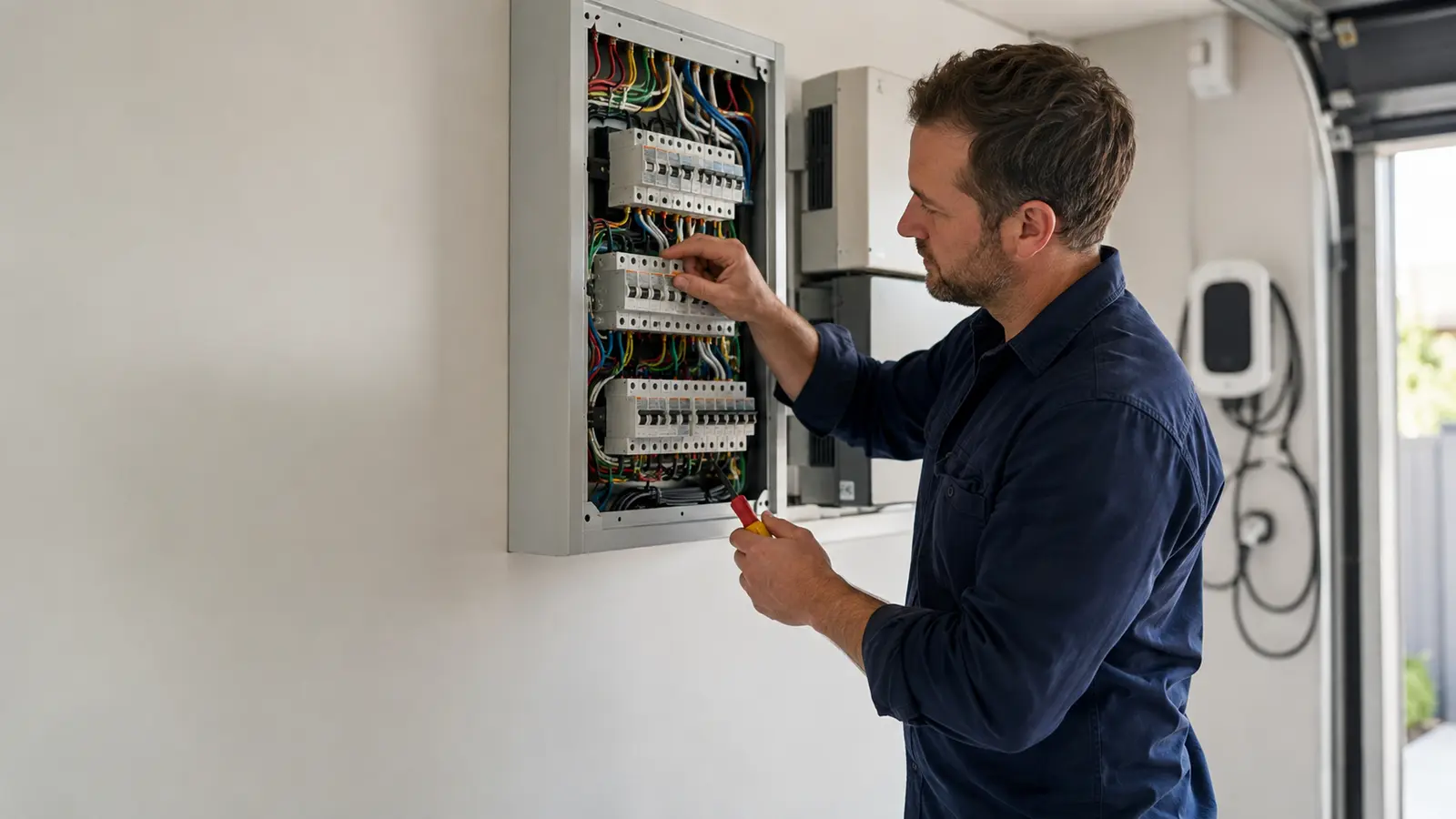
It is not a substitute for safe wiring or a compliant design. Ask what meter or CTs are required, where they will be installed, whether every phase is measured, how quickly the charger reacts and what happens if communications or measurement fails.
For a deeper buying guide, see Do You Need Dynamic Load Management for a Home EV Charger?.
What changes in a three-phase home
Three-phase supply can spread large single-phase loads and may support a three-phase charger, but the best layout depends on the equipment and local network rules.
Ask the installer to show:
- which phase serves the oven or cooktop;
- which phase or phases serve the air-conditioning system;
- whether the charger is single-phase or three-phase;
- the measured or calculated demand on each phase;
- how the load-management meter observes all phases; and
- what happens if a future solar inverter or battery is added.
A 22 kW three-phase charger is not automatically a better residential choice. It can create a much larger site demand, and the vehicle may accept less AC power than the charger can provide. Confirm the car's onboard AC charging limit before designing around the charger's headline rating.
Measure the home before buying hardware
Retailer interval data is useful for seeing existing peaks, but 15- or 30-minute intervals can smooth short overlaps. A properly installed whole-home monitor can show the relationship between cooling, cooking and other loads at a finer time scale.
Use monitoring to answer four questions:
- What is the highest repeatable whole-home demand?
- Which loads create that peak?
- How long does it last?
- How much charging energy is actually needed during the same window?
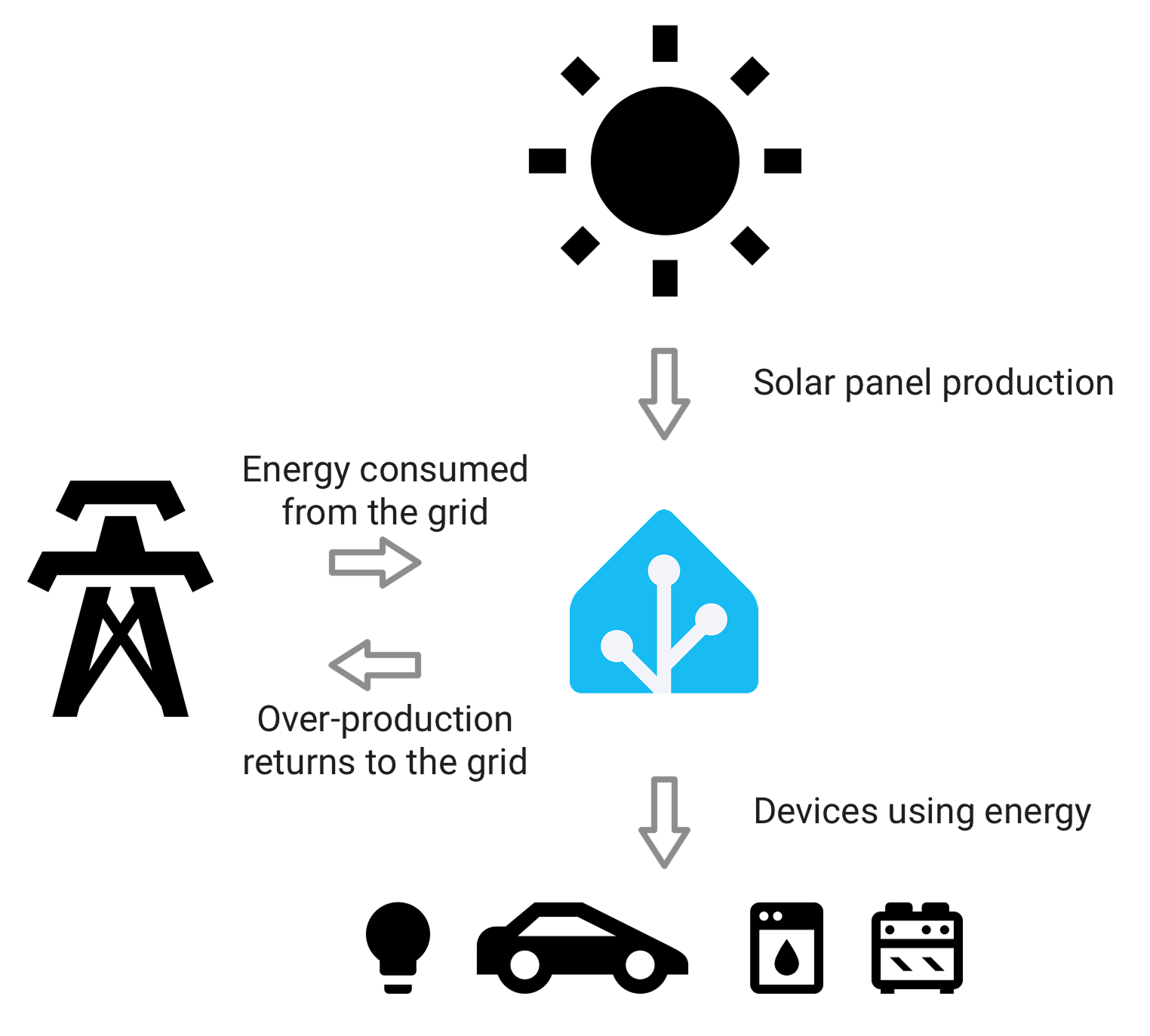
A practical test is to collect at least one representative week in warm or cold weather, note when major appliances run, and compare the pattern with the charger's planned schedule. Include unusual but foreseeable days, such as guests, holiday cooking or very hot weather.
Do not deliberately overload circuits to create a test. Do not open a switchboard or move CT clamps unless you are qualified. Plug-level meters are suitable only for compatible plug-in appliances, not hardwired ovens, air conditioners or EV circuits. How to Track One Appliance Separately explains safer measurement options.
Warning signs that need investigation
Arrange an electrical assessment rather than relying on scheduling when you see:
- frequent main-breaker or circuit-breaker trips;
- heat damage, discoloration, buzzing or a burning smell;
- an unknown service rating or undocumented alterations;
- old fuse equipment or a board with no suitable space;
- lights dimming or voltage-sensitive equipment misbehaving when large loads start;
- an EV charger connected through an extension lead or unsuitable outlet;
- a charger, oven or air conditioner sharing a circuit that was not designed for it;
- a load-management system that cannot measure every relevant conductor or phase; or
- a proposal that assumes the household will remember to switch loads manually forever.
A breaker that has not tripped is not proof of adequate design. Protective devices are the last line of protection, not a household demand-management strategy.
What to give the electrician
A better quote starts with better information. Provide:
- photos of the closed switchboard, meter enclosure and labels without removing covers;
- recent electricity interval data if available;
- the supply type and rating if documented;
- exact model and rating information for the oven, cooktop and air-conditioning system;
- the EV model, onboard AC charging limit and typical daily energy to replace;
- the charger model and proposed maximum current;
- existing solar, battery, electric hot-water, pool or workshop loads;
- future plans such as a heat pump, second EV or induction cooking; and
- any history of trips, overheating or voltage problems.
Ask for at least two designs when practical: a lower-current or load-managed option using the existing supply, and an upgrade option that provides the required guaranteed capacity.
Questions a strong quote should answer
- What service and consumer-mains capacity was verified?
- What maximum-demand method applies locally?
- What are the calculated and measured demands on each phase?
- Which dedicated circuits and protective devices are required?
- What EV charging current meets the driving requirement?
- Can charging be capped, scheduled or dynamically controlled?
- What meter, CTs or gateway does load management require?
- Does the control operate locally, and what is its fail-safe behavior?
- Is a switchboard change separate from a service-capacity upgrade?
- How will the installation be tested and documented?
- What spare capacity remains for hot water, a battery, solar or a second EV?
- Can the monitoring data be retained for post-install verification?
Verify the result after installation
After commissioning, check the system under normal real-life conditions rather than staging an unsafe maximum-load test.
Confirm that:
- the charger respects its configured current;
- charging reduces or pauses when the home approaches the commissioned limit;
- the system recovers when household demand falls;
- phase readings and CT direction are correct;
- oven and air-conditioning operation do not create repeated trips;
- charger energy data agrees reasonably with the whole-home change;
- schedules survive power or network interruptions; and
- manuals, settings, circuit schedules and test certificates have been supplied.
Review a week of data after installation and again during the next weather extreme. A system that looks comfortable in spring may behave differently during a heatwave or cold snap.
Bottom line
An EV charger, air conditioner and oven can run together when the entire electrical system is designed for their real overlap. The most economical answer is often not maximum charger power and not an automatic service upgrade. It may be a lower fixed charging current, a better schedule or dynamic load management backed by whole-home measurement.
Start with the driving energy needed, identify the home's real peak, separate service capacity from switchboard space, and have a qualified electrician document the demand and phase arrangement. Then verify the commissioned behavior with monitoring. That turns a vague question about three appliances into a capacity decision you can measure and manage.
Sources and further reading
- Australian Government: How to charge your electric vehicle
- Australian Government: Installing a personal EV charger for strata residents
- U.S. Department of Energy Alternative Fuels Data Center: Charging electric vehicles at home
- Tesla: Wall Connector power management
- myenergi: How products balance the grid in a property
- Electrical Safety First: Electric vehicle charging safety