If you might add a home battery later, the best hybrid inverter upgrade path is usually the one that keeps three things open: battery compatibility, backup wiring, and usable energy data. The mistake is treating a hybrid inverter as a simple drop-in upgrade when the future battery decision depends on the inverter, meter, switchboard, backup loads, monitoring platform, and installer support all lining up.
The short answer: choose a true hybrid inverter now when the battery is likely, the existing inverter is due for replacement, or backup wiring is part of the plan. Choose a simpler battery-ready or battery-compatible path when storage is possible but not certain. Keep an AC-coupled battery path open when the existing solar inverter is healthy, the roof system works well, or replacing the inverter would create more cost than value.
This guide is written for homeowners, installers, energy consultants, and technically curious buyers who want to avoid paying twice for solar, storage, metering, and monitoring decisions.
Start With The Battery Decision You Are Actually Deferring
Not every "battery later" plan means the same thing. Before choosing a hybrid inverter, define what is uncertain.
Common situations include:
- you want solar now but are waiting for battery prices or incentives;
- the existing inverter is old enough that replacement is already being considered;
- backup power matters, but the household has not decided which loads need backup;
- the home may add an EV charger, heat pump, or electric hot water first;
- the owner wants better monitoring now, even if battery storage waits;
- the installer recommends a hybrid inverter because it keeps a DC-coupled battery path open.
Those are different projects. A buyer who mainly wants future self-consumption flexibility does not need the same design as a buyer who wants whole-home backup. A buyer with a healthy inverter may be better served by a later AC-coupled battery than by replacing hardware early.
The Four Upgrade Paths
| Path | Best Fit | Main Risk |
|---|---|---|
| Install a full hybrid inverter now | Solar install or inverter replacement is happening anyway, and battery is likely within a few years | Paying for hybrid capability that is never used |
| Choose a battery-ready inverter | Battery interest is real but timing is uncertain | Future activation, compatible battery list, and backup limits may be misunderstood |
| Keep the current inverter and add AC-coupled storage later | Existing solar inverter is healthy and production is good | Battery may sit in a separate ecosystem with different monitoring and backup rules |
| Replace inverter and add battery together later | Battery decision is the main driver, not today's solar project | Later project may require more rework if metering and switchboard prep were ignored |
A good upgrade path is not always the most technically elegant one. It is the one that fits the home's real timing, wiring, and monitoring needs.

Hybrid inverters are most useful when the future battery path, metering layer, and backup design have been considered before installation.
When A Hybrid Inverter Now Makes Sense
A hybrid inverter is worth serious consideration when at least two of these are true:
- the existing inverter is near replacement age;
- the solar system is being installed from scratch;
- the battery is likely within one to three years;
- DC-coupled battery efficiency or ecosystem fit matters;
- backup wiring is easier to plan during the current project;
- the chosen inverter has a clear compatible battery list;
- the installer can support the inverter, meter, battery, and backup configuration as one system.
Fronius positions GEN24 Plus as the version with battery connection and two backup options, while also noting that Full Backup requires a battery and safe grid-disconnection switching hardware. That distinction matters: a hybrid inverter may be battery-ready, but backup power is still an installed system, not just an inverter feature.
SolarEdge takes a more ecosystem-led approach. Its Home Hub inverters are presented as the backbone for PV production, battery storage, backup applications, and smart energy devices, with backup requiring SolarEdge Home Batteries and the Backup Interface. That can be attractive when a single-vendor storage path is the priority, but it also means future flexibility depends heavily on staying inside that ecosystem.
When Battery-Ready Is The Better Middle Ground
A battery-ready inverter can be a smart compromise when the homeowner wants to avoid a dead end but does not want to pay for a full storage system today.
GoodWe's Battery Ready Application is a clear example of this logic: the inverter can operate as a conventional grid-tied inverter first, then be converted into an energy storage system later with an activation path. GoodWe also notes that backup mode only becomes available after a battery is connected.
This kind of path can work well when:
- the battery decision is genuinely undecided;
- self-consumption is the likely goal, not immediate backup;
- the household wants to avoid replacing the inverter if storage becomes attractive;
- the compatible battery and activation details are clear before purchase;
- the installer has experience with that exact upgrade route.
The risk is that buyers remember the phrase "battery-ready" but forget the fine print. Always check which battery models are supported, whether extra licenses or activation codes are needed, whether a smart meter is required, whether backup is included, and whether the future configuration is supported in your region.
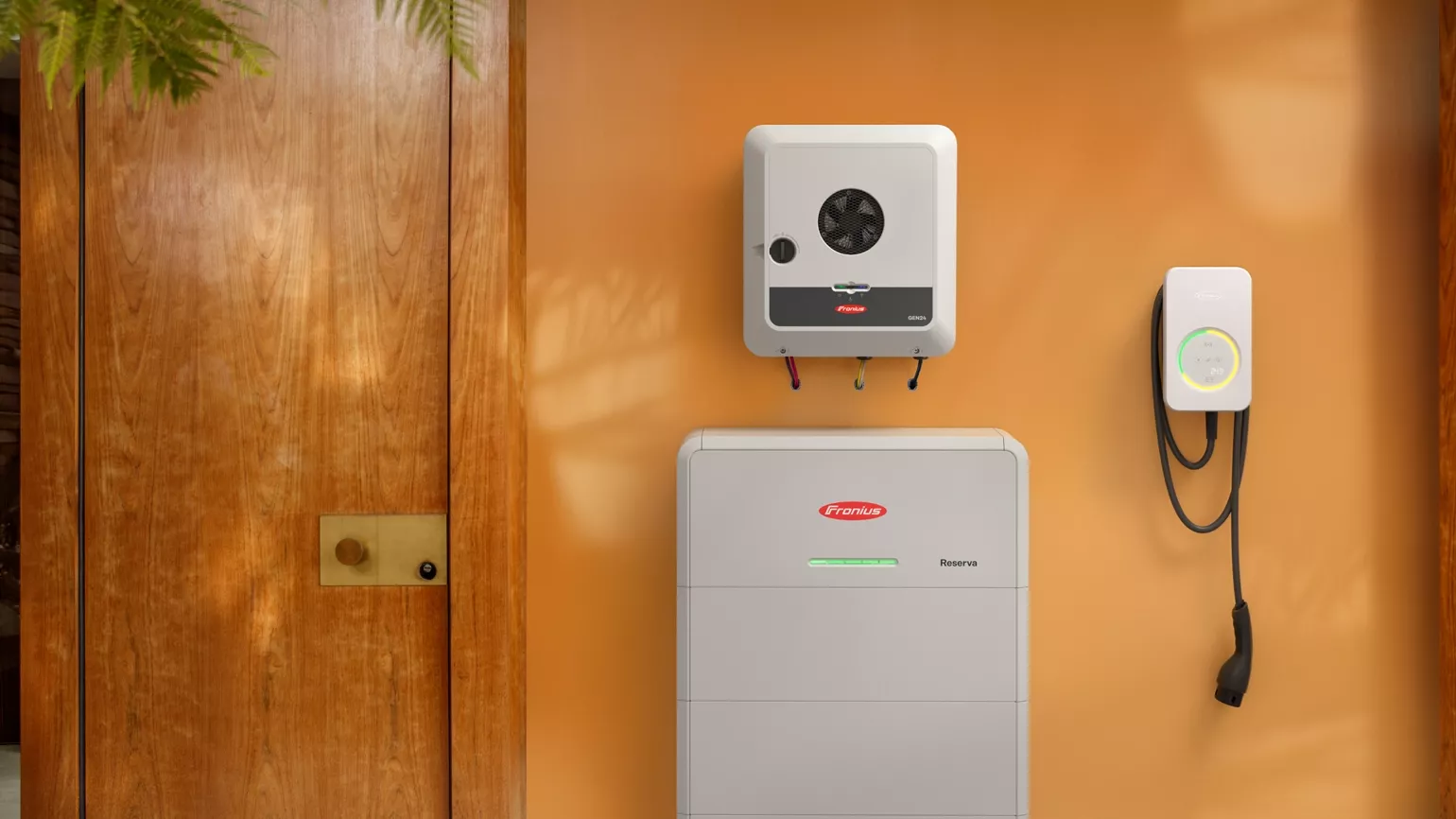
Battery-ready and EV-ready are related but separate planning tracks. The first project should leave room for storage, charging, and metering decisions without forcing all of them immediately.
When AC-Coupled Storage Later Is Cleaner
If the existing solar inverter is healthy, productive, and still under support, replacing it early just to keep a battery path open can be wasteful. In that case, an AC-coupled battery later may be the cleaner route.
AC-coupled storage is often worth considering when:
- the current solar inverter is working well;
- roof wiring and inverter placement are already finished cleanly;
- the future battery may be installed by a different provider;
- backup loads are modest or separate from the solar inverter decision;
- the homeowner wants a battery product that is designed as a retrofit;
- replacing the inverter would create permit, labor, or warranty friction.
The trade-off is that AC-coupled systems can add another ecosystem. You may get a battery app, an inverter app, and a separate energy-monitoring app unless the metering layer is planned well. That is why battery-later planning should include monitoring, not only inverter hardware.
Do Not Decide Backup Too Late
Backup power is where many "battery later" plans become expensive. The battery itself is only part of the decision. The home also needs a design for what happens during an outage.
Ask these questions before committing to the inverter path:
- Do you want backup at all, or only self-consumption and tariff shifting?
- If you want backup, should it cover a few essential loads or most of the home?
- Does the inverter support the backup mode you expect?
- What extra gateway, backup interface, transfer switch, or switchboard work is required?
- Can the battery supply large loads such as HVAC, pumps, ovens, or EV charging?
- Will three-phase backup be limited by inverter size, battery output, or local rules?
Fronius explicitly separates PV Point/basic backup from Full Backup requirements. SolarEdge similarly ties backup applications to batteries and a Backup Interface. The practical lesson is simple: backup needs to be planned as a wiring and protection design, not as an afterthought.
The Smart Meter Is Not Optional In Many Real Systems
A hybrid inverter may convert solar and battery power, but the system still needs to know what the home is importing, exporting, consuming, charging, and discharging. That usually means a smart meter, CT meter, or vendor-approved meter.
The meter matters because it can affect:
- export limiting;
- battery charge and discharge decisions;
- self-consumption control;
- backup system behavior;
- Home Assistant or local dashboard visibility;
- tariff analytics and battery-payback calculations;
- whether the installer can commission the system correctly.
Do not treat the meter as an accessory to price out later. If the hybrid inverter requires a specific meter for battery control, include that in the first quote. If the vendor meter is good for control but weak for user-facing data, consider whether an additional open meter or local data path is worth planning.
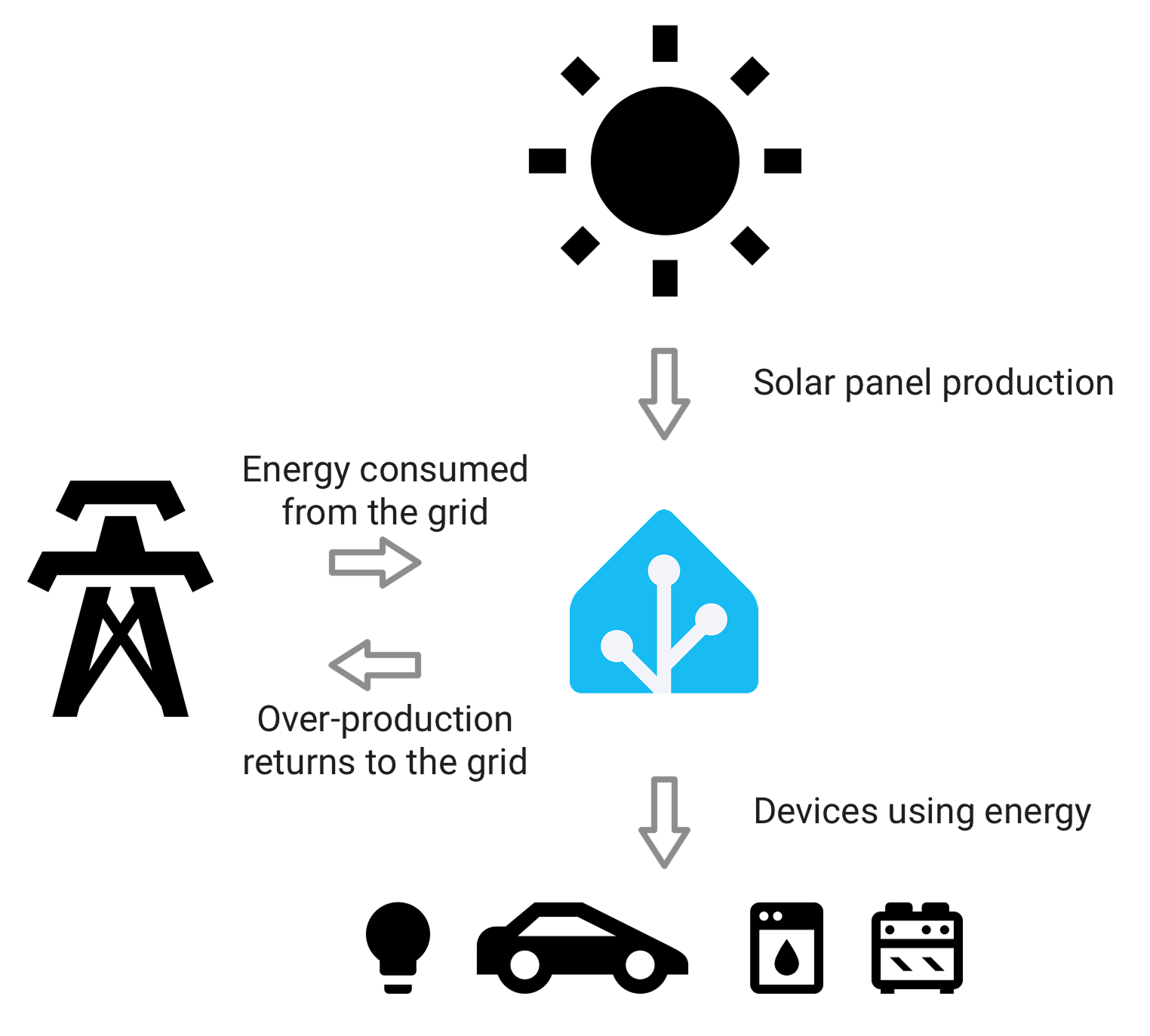
Once a battery is added, the dashboard needs trustworthy boundaries for solar, grid, home load, and battery flow. The meter choice often decides whether those numbers are usable.
Local Monitoring Should Be Planned Before The Battery Arrives
A battery makes energy data more complicated. Without good measurement boundaries, dashboards can show solar, grid, battery, and home load in ways that look polished but are hard to trust.
Home Assistant's battery documentation describes the basic requirement clearly: the system needs to know how much energy flows from and to the battery. That sounds simple, but in a real hybrid system those flows must be separated from solar production, grid import/export, and household consumption.
If you care about local monitoring, check these before buying:
- Does the inverter expose local data, or only cloud data?
- Can the battery state of charge be read reliably?
- Are grid import and export available as separate energy values?
- Can Home Assistant, MQTT, Modbus, or another local platform read the data?
- Does the vendor app distinguish solar-to-load, solar-to-battery, battery-to-load, and grid-to-battery?
- Can the system export data for tariff and battery-payback analysis?
A hybrid inverter can be excellent hardware and still be a poor fit for data-first owners if the useful information is trapped in a closed app.
What To Ask The Installer Before Choosing The Path
Before approving a hybrid inverter quote, ask for direct answers to these questions:
| Question | Why It Matters |
|---|---|
| Which batteries are officially compatible today? | Avoids assuming future support that may not arrive |
| What extra hardware is needed for backup? | Prevents surprise gateway, interface, or switchboard costs |
| Is the meter included and vendor-approved? | Battery control often depends on accurate grid-flow data |
| Can the system work without the cloud? | Important for Home Assistant, local automation, and resilience |
| What changes if the battery is added in two years? | Reveals whether the upgrade is truly staged or partly duplicated |
| How are essential loads or whole-home backup handled? | Backup design affects wiring, safety, and expectations |
| What happens if we add an EV charger first? | EV charging may change load management and metering priorities |
If the installer cannot answer these clearly, the system may still work, but the upgrade path is not yet well defined.
Common Mistakes
Buying A Hybrid Inverter Because It Sounds Future-Proof
Hybrid capability is useful only if the future battery, meter, backup design, and installer support remain viable. A hybrid inverter with no likely battery path is just a more expensive solar inverter.
Ignoring The Backup Wiring Until The Battery Quote
Backup is often the part that changes the switchboard, essential-load panel, transfer hardware, and user expectations. It should be discussed early even if the battery is delayed.
Assuming Any Battery Will Work Later
Hybrid inverters usually have specific compatible battery lists. Battery availability, regional certification, firmware support, and installer familiarity can matter as much as chemistry or capacity.
Treating Monitoring As A Nice-To-Have
Without good monitoring, the homeowner may not know whether the future battery is cycling correctly, charging from solar, reducing peak imports, or simply creating more charts.
Forgetting EV Chargers And Heat Pumps
If the home may add large flexible loads, the battery-ready path should account for load management and circuit planning, not just storage.
Practical Recommendations By Home Type
New Solar Install, Battery Likely Soon
Choose a true hybrid inverter with a known battery family, include the required smart meter, and plan backup wiring now. The extra design effort is usually worth it because the battery is not hypothetical.
Existing Solar Inverter Is Healthy
Keep AC-coupled storage on the shortlist. Do not replace a working inverter unless the hybrid path clearly improves storage, backup, monitoring, or long-term service enough to justify the disruption.
Battery Interest Is Real But Timing Is Unclear
A battery-ready inverter can be a sensible middle path. Confirm activation requirements, compatible batteries, meter requirements, and backup limits before purchase.
Data-First Or Home Assistant User
Prioritize meters and platforms that expose usable local data. A slightly less integrated hardware ecosystem may be better than a closed system if long-term visibility and automation are the real goal.
Backup-First Buyer
Do not lead with inverter marketing. Lead with backup loads, outage expectations, transfer hardware, battery power limits, and local electrical rules. Then choose the inverter and battery that can actually support that design.
Bottom Line
The best hybrid inverter upgrade path before adding a battery is the one that avoids locking the home into the wrong future. For some homes, that means installing a true hybrid inverter now. For others, it means choosing battery-ready hardware, preserving an AC-coupled retrofit path, or waiting until the battery decision is real enough to design properly.
The common thread is measurement and wiring discipline. Plan the smart meter, backup boundary, compatible battery list, and monitoring path before the battery arrives. That way, when storage finally makes financial or resilience sense, the upgrade feels like a planned second step rather than an expensive correction.
Related EnergyMeterHub Pages
- Best Battery-Ready Upgrade Path for Homes That Are Not Ready to Buy a Battery Yet
- Enphase IQ Battery 5P vs BYD Battery-Box: Which Home Battery Buyer Are You?
- Best Way to Monitor a Home Battery, Solar, and Grid in One Place
- Enphase IQ8 vs Fronius GEN24: Which Solar Upgrade Path Is Better?
- What Should You Upgrade First If You Want Better Energy Visibility, Not Just Lower Bills?