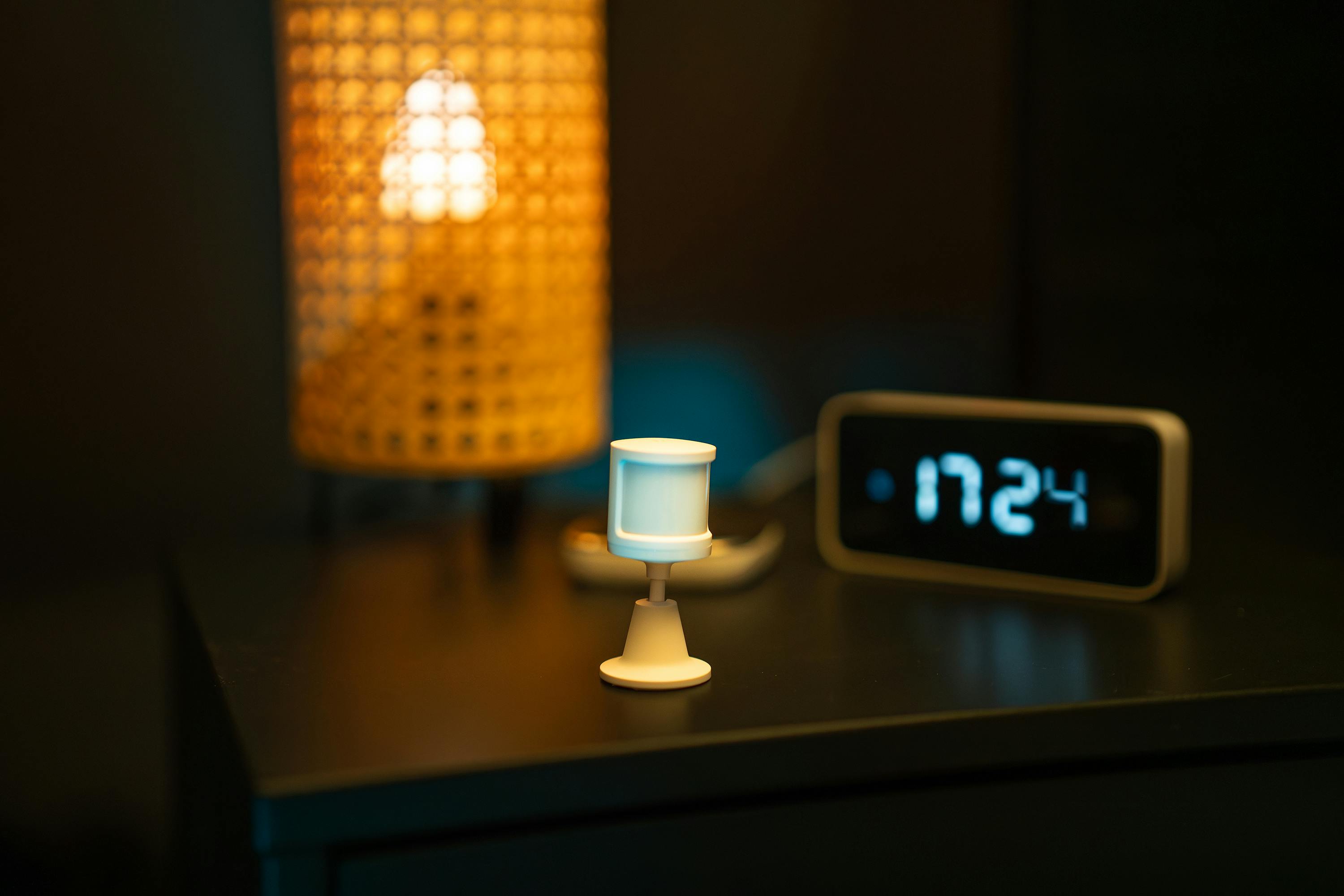
How to Find Your Home's Always-On Power Load and Cut It
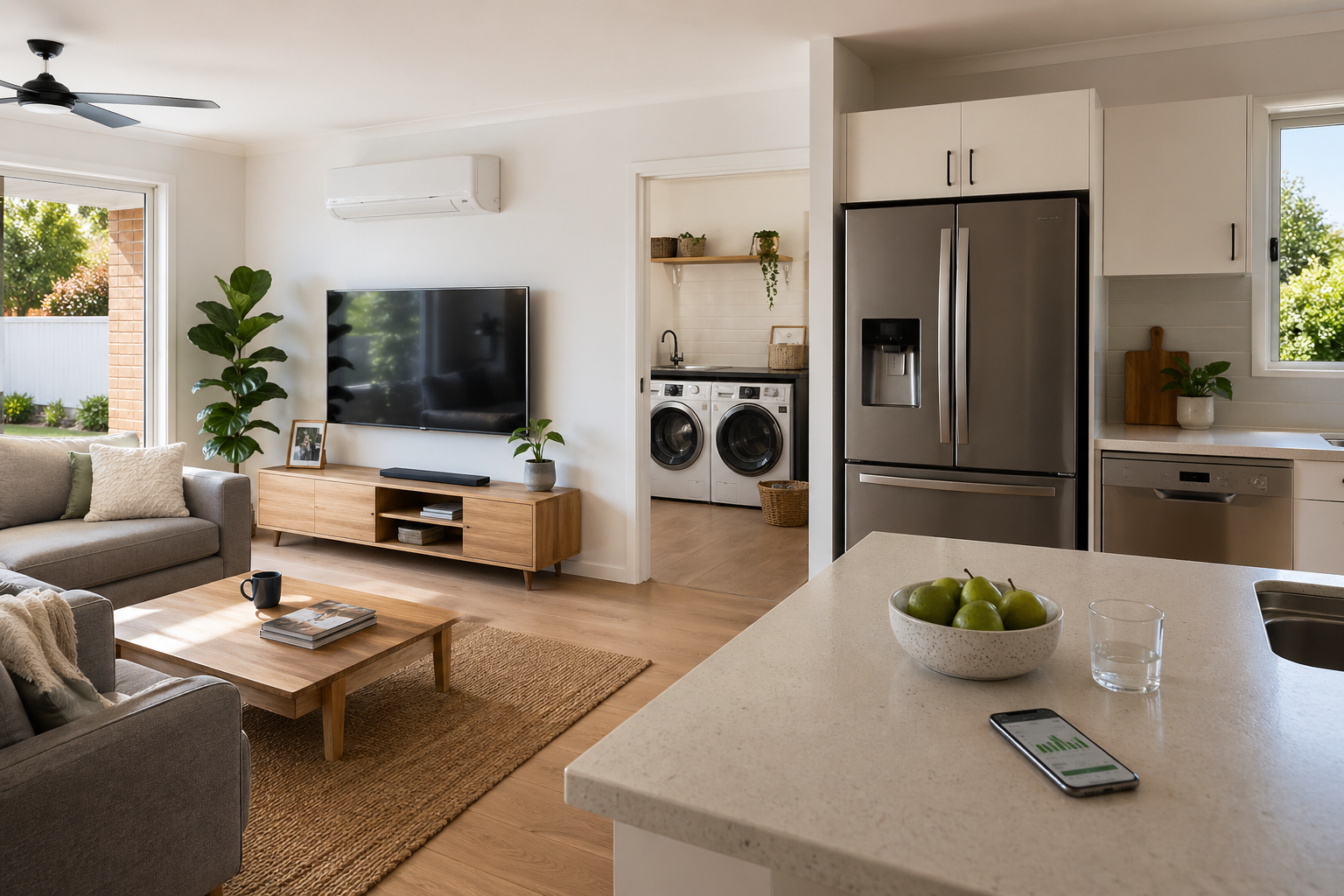
A practical guide to finding your home's always-on electricity load, understanding what is normal, isolating background demand, and cutting waste without guessing.
Browse practical coverage of smart meters, solar monitoring, integrations, and setup choices without the usual vendor brochure tone.
Submit article source material for editorial review. We use it to build or improve drafts, not to publish vendor copy directly.
A practical guide to finding your home's always-on electricity load, understanding what is normal, isolating background demand, and cutting waste without guessing.
A practical guide to how much electricity a split-system air conditioner really uses, how to estimate daily and monthly running cost from rated input power, and which setup, thermostat, sizing, and maintenance mistakes quietly push cooling bills higher.
A practical Australia-focused guide to what uses the most electricity in a normal home, including why heating and cooling usually come first, why hot water often comes second, and which room-by-room appliance loads are most worth checking.
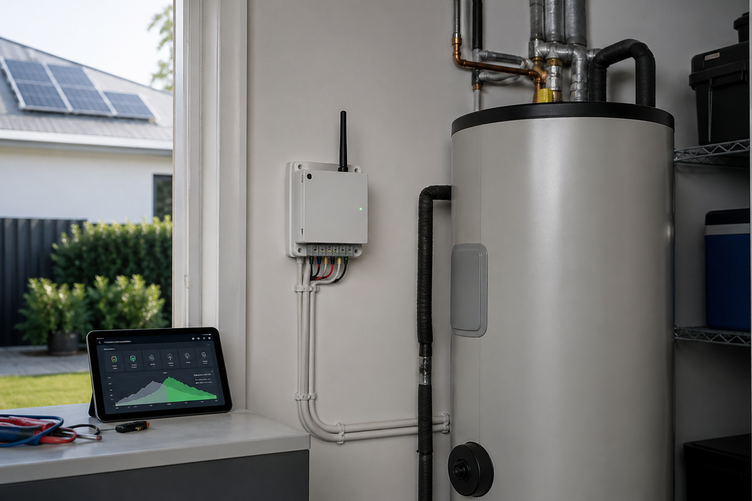
A practical guide to the IAMMETER WPC3700 Wi-Fi power controller, including how its manual and auto modes work, why it fits solar-surplus hot-water control, what its local APIs can do, and where it does not fit.
A practical Australia-focused guide to understanding the key parts of an electricity bill, including supply charges, usage charges, time-of-use rates, controlled load, solar credits, demand charges, and meter read types so you can work out what actually changed.
A practical Australia-focused guide to why your electricity bill can rise even when you did not buy a major new appliance, including tariff changes, seasonal load shifts, hot water, standby load, estimated reads, and how to check what actually changed.
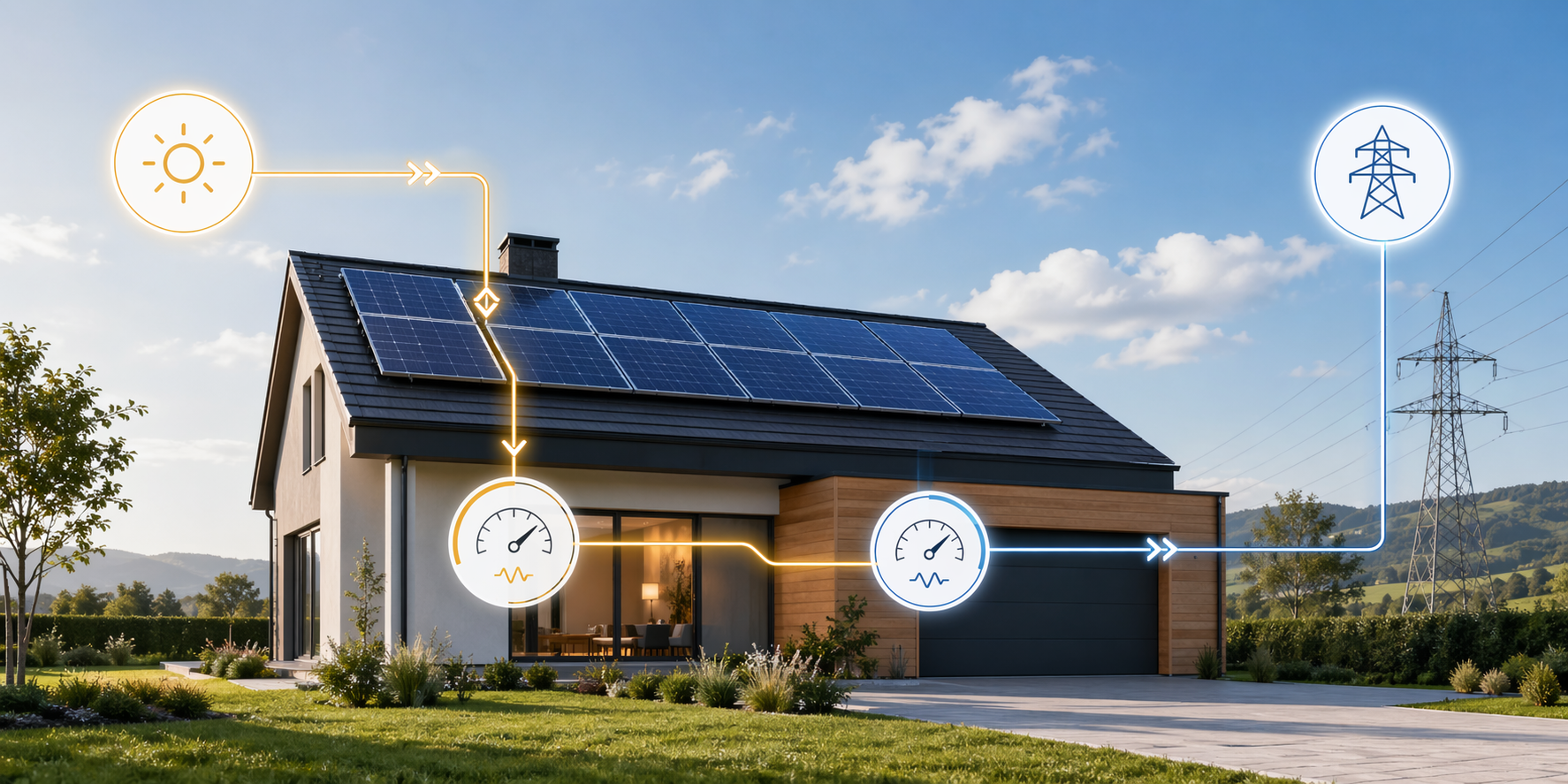
A practical homeowner guide to why solar production is usually higher than export, when the gap is completely normal, and what to check when the numbers look wrong.
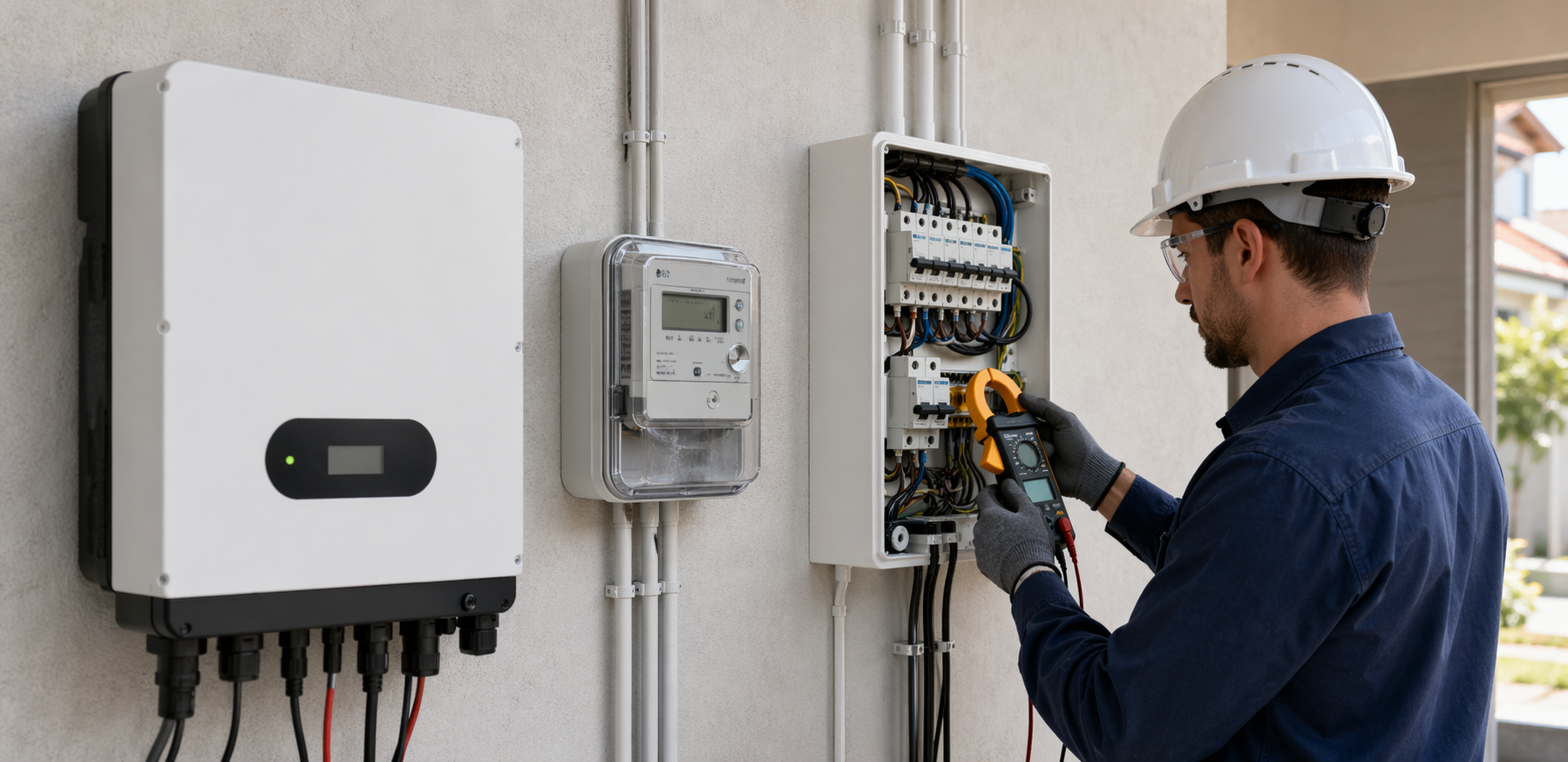
A practical guide to what a smart meter, inverter meter, and clamp-based energy monitor each measure, which one to trust for billing, solar production, and home energy troubleshooting, and why their numbers often differ.
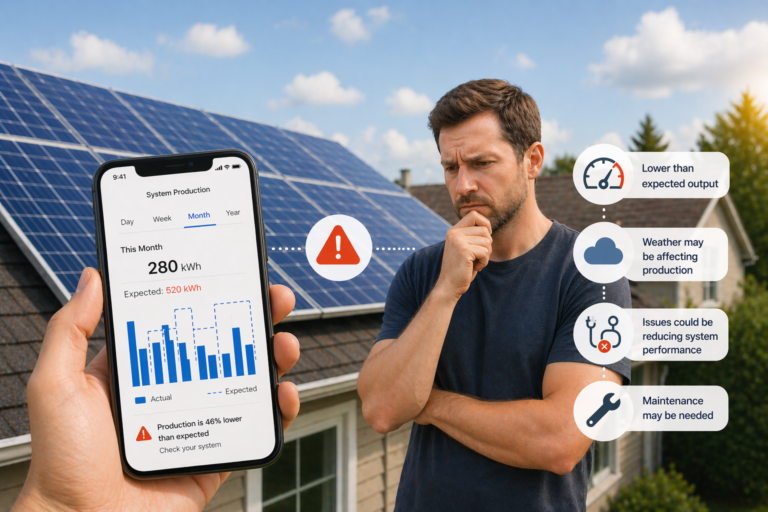
A practical homeowner checklist to separate normal seasonal variation from real solar underperformance, using inverter faults, shading, dirt, and monitoring clues.
A practical homeowner guide to when microinverters are worth the extra cost, when a string inverter is still the smarter default, and how roof layout, shade, monitoring, battery plans, and warranty differences change the answer.