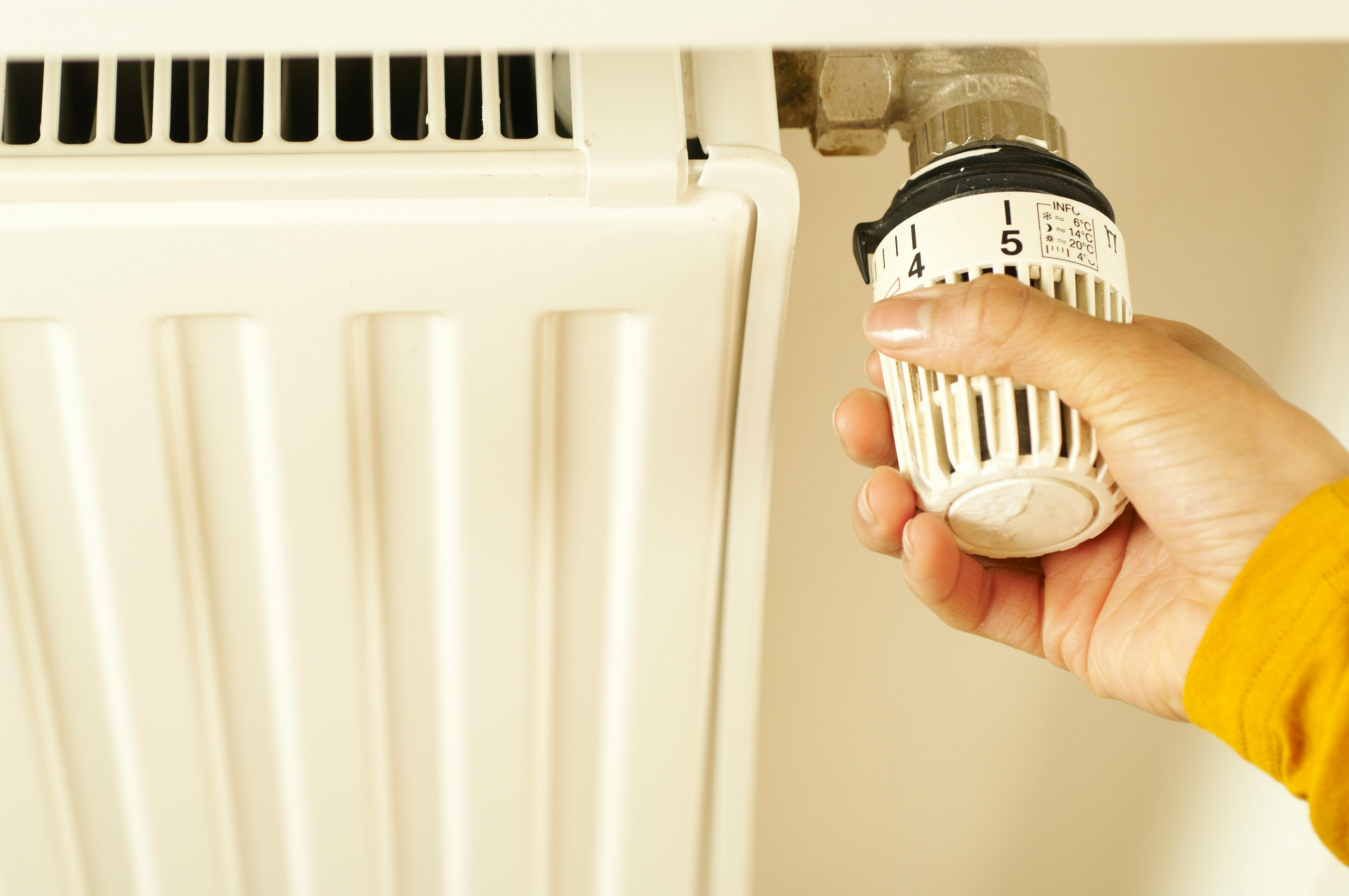
If your winter power bill jumps every year, the answer is usually not to freeze in silence. The cheapest winter strategy is to keep the rooms you actually use reasonably comfortable, stop heat from leaking out unnecessarily, and avoid running high-load equipment longer than the problem requires.
In most homes, the big gains come from five things: setting heating sensibly, sealing obvious drafts, using zone or room-based heating instead of warming the whole house, keeping hot-water use under control, and checking whether your meter data shows a real heating problem or just a timing problem.
The short version
If you want lower winter bills without making daily life worse, start here:
| Action | Why it helps | Effort | Typical value |
|---|---|---|---|
| Keep the thermostat moderate instead of very warm | Each extra degree usually costs more than people expect | Low | High |
| Heat occupied rooms first | Whole-home heating wastes money when rooms are empty | Low to medium | High |
| Seal easy drafts around doors and windows | Heat loss makes your heater run longer | Low | Medium |
| Reduce hot-water waste | Hot water is often the second big winter load after space heating | Low | Medium to high |
| Use timer schedules carefully | Heating empty hours is expensive, but over-aggressive setbacks can backfire | Low | Medium |
| Check interval data or daily usage patterns | It shows whether cost is caused by heater runtime, overnight leakage, or peak-rate timing | Medium | Medium to high |
Start with the setting, not the panic
A lot of winter bill shock comes from using heating like an on-off comfort button. When the house feels cold, people often push the thermostat several degrees higher than necessary and leave it there for long stretches.
A better approach is to aim for steady comfort, not tropical comfort. In practice, that means choosing a moderate setpoint, dressing for the season indoors, and only increasing temperature when the room genuinely feels uncomfortable rather than slightly cool.
This matters because heating load rises quickly when the indoor-outdoor temperature gap gets larger. The warmer you try to keep the house compared with the weather outside, the longer your system has to run.
If you use a heat pump, moderate settings matter even more. Aggressive setbacks and large morning catch-up periods can reduce the benefit of efficient operation, especially if backup resistance heating gets involved on some systems.
Heat people, not empty space
One of the easiest mistakes in winter is heating the whole home for the convenience of one or two rooms.
If your layout and system allow it, prioritize the rooms where people spend real time:
- living area during the evening
- bedrooms only when occupied
- home office during work hours
- bathrooms only when needed
That can mean closing doors, reducing airflow to unused areas where appropriate, or relying on a room unit instead of a central system for light-use days.
This is also where a simple energy monitor or smart-meter interval data becomes useful. If daily usage spikes only during early morning warm-up and evening whole-home heating, you have a zoning problem more than a mystery-consumption problem.
Fix the cheapest heat-loss problems first
You do not need a full insulation project before winter savings begin. The first layer is much simpler: stop obvious unwanted air leakage.
Look first at:
- doors with visible gaps or cold drafts at the bottom
- older windows that leak around the frame or sash
- rooms that feel noticeably colder than the rest of the house
- exhaust fans or service penetrations that let cold air in
Basic weatherstripping, door seals, and sensible use of curtains can improve comfort faster than many people expect because they reduce cold drafts as well as heating runtime.
This is why low-cost envelope fixes often feel better than turning the thermostat higher. They improve comfort at the same time they reduce energy waste.
Use schedules, but do not overdo setbacks
Scheduling is useful when the house is predictably empty or everyone is asleep. But the goal is not to let the home get so cold that recovery takes a long, expensive burst of heating.
A practical schedule usually looks like this:
- warm the main occupied rooms shortly before people need them
- reduce heating during long unoccupied periods
- avoid large temperature swings unless your system responds efficiently
- keep overnight bedroom comfort targeted instead of heating the whole home
For resistance heaters, panel heaters, and portable electric heating, timers can prevent accidental all-day operation. For ducted systems and heat pumps, a smaller setback is often more comfortable and can be more efficient than a deep setback followed by a heavy morning recovery.
Hot water quietly becomes a winter bill problem
Many households focus only on space heating and miss the second winter cost driver: hot water.
In winter, showers run hotter, water heating losses rise, and laundry often shifts toward warm or hot cycles. If your water heater is electric, this can add up quickly.
The practical checks are simple:
- shorten long showers before chasing small plug-load savings
- fix dripping hot taps
- wash clothes in cold water unless heat is actually needed
- avoid running the dryer more than necessary
- check whether your water-heating setup is on a costly tariff or poor schedule
If your home still uses conventional electric storage hot water, the running-cost difference compared with newer options can be material. That is why hot water deserves attention alongside room heating, not after it.
Curtains, sunlight, and internal doors still matter
Not every useful winter action is high-tech.
Open curtains on sun-facing windows when you can get real daytime solar gain. Close them once outdoor temperature drops and the glass starts working against you. Keep internal doors closed if that helps hold warmth where you actually live instead of letting heated air drift into unused space.
These steps sound small, but winter bill control usually comes from stacking several sensible actions rather than looking for one miracle fix.
Check the data before blaming the tariff
If you have access to smart-meter data, an inverter-linked home monitor, or whole-home metering, use it.
Look for patterns such as:
- a sharp rise in usage in the first few hours of the morning
- a second peak when everyone gets home and heating, cooking, and hot water overlap
- unusually high overnight consumption that suggests heaters, towel rails, pumps, or background loads are staying on longer than expected
- expensive usage landing in peak-rate time windows even though total daily consumption is not extreme
This helps separate three different problems:
- you are using too much energy overall
- you are using it at the wrong hours
- your house loses heat fast enough that the heater has to work too hard
Those are different fixes, and good metering stops you guessing.
When an upgrade is actually worth it
Some winter bill problems are behavioral. Others are structural.
If your home is reasonably well sealed and you are already heating selectively, but bills are still painful, the next question is whether the equipment itself is expensive to run.
Upgrades are most worth considering when:
- you rely heavily on old resistance heating
- your electric hot-water system is costly to run
- a frequently used room depends on inefficient portable heating
- your current system makes comfort hard to maintain without long runtime
That does not mean every home should rush into a major replacement. It means winter bill reduction gets easier when the hardware is not fighting you.
Mistakes that usually disappoint
These are the common winter savings ideas that sound smart but often underdeliver on their own:
- obsessing over standby loads while active heating is the real problem
- overheating the house for short periods and calling it comfort
- buying gadgets before fixing drafts and schedules
- using portable electric heaters everywhere instead of solving the room-heating plan
- setting extreme timer setbacks that create long reheating cycles
A practical order of attack
If you want an efficient sequence, use this one:
- Moderate the heating setpoint.
- Heat occupied rooms first.
- Seal the obvious drafts.
- Tighten hot-water habits.
- Check meter data for timing and overnight waste.
- Only then consider bigger equipment upgrades.
That order works because it improves comfort and cost control at the same time.
Related reading on EnergyMeterHub
- How to Find Your Home's Always-On Power Load and Cut It
- What Uses the Most Electricity in a Normal Home? A Room-by-Room Guide
- Heat Pump Hot Water vs Electric Storage: When the Upgrade Pays Off
- Best Time to Run Dishwasher, Washing Machine, and Dryer on Time-of-Use
- Is a Smart Meter Worth It If You Do Not Have Solar in 2026?
References
- U.S. Department of Energy, Energy Saver: Air Sealing Your Home — https://www.energy.gov/energysaver/weatherize/air-sealing-your-home
- U.S. Department of Energy, Energy Saver: Insulation — https://www.energy.gov/energysaver/insulation
- U.S. Department of Energy, Energy Saver: Heat Pump Systems — https://www.energy.gov/energysaver/heat-pump-systems
- U.S. Department of Energy, Energy Saver Guide: Tips on Saving Money and Energy at Home — https://www.energy.gov/sites/default/files/2022-08/energy-saver-guide-2022.pdf
- ENERGY STAR, Programmable Thermostats — https://www.energystar.gov/products/smart_home/thermostats