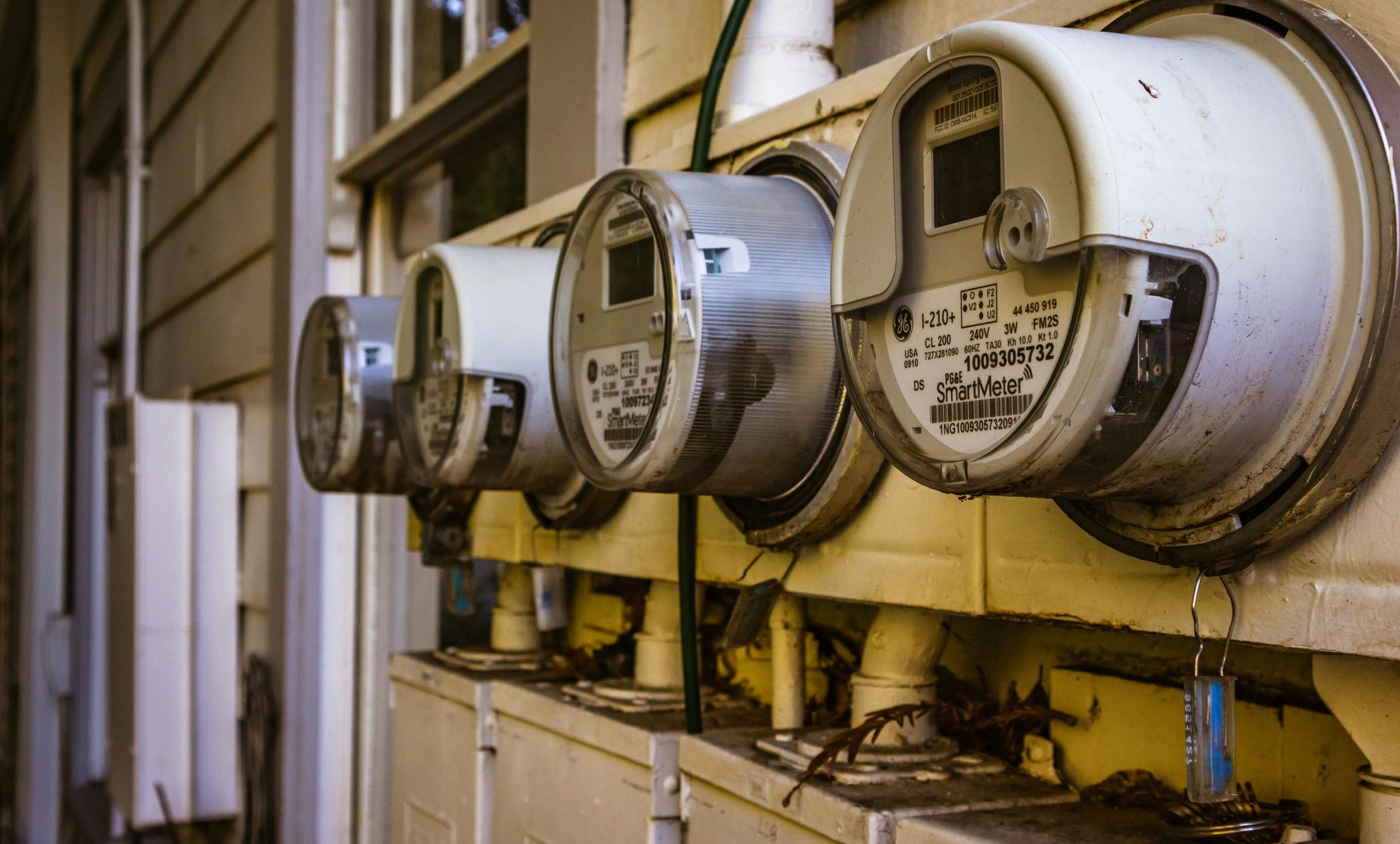
If your home does not have solar, a smart meter can still be worth it, but usually for visibility and tariff choice, not because the meter itself magically lowers your bill.
For a non-solar household, a smart meter is most useful when you can shift some usage away from expensive hours, want better interval data to understand where costs are coming from, or expect to add a high-load appliance or EV charger later. If your usage is already simple, flat through the day, and you cannot move much of it, the benefit may be modest.
Quick answer table
| Situation | Is it worth it? | Why |
|---|---|---|
| You can shift dishwasher, laundry, hot water, or EV charging to cheaper hours | Often yes | A smart meter can unlock time-of-use plans and show when you use power |
| You want better data to understand spikes, bills, or overnight usage | Often yes | Interval readings are more useful than a single total on a quarterly bill |
| You are on a flat tariff and most of your use is in the evening peak | Maybe not | A smart meter alone does not change the price of electricity |
| You cannot shift usage and do not use retailer apps or reports | Usually low value | The meter may add little practical benefit day to day |
| You expect to add an EV, battery, smart hot water, or automation later | Often yes | The meter becomes more useful as your home gets more flexible |
What a smart meter does for a non-solar home
A smart meter records electricity use in intervals during the day rather than just giving a cumulative reading. In Australia, official guidance notes that smart meters typically record usage every 30 minutes and send data back to the retailer electronically. That makes a few things easier even if you do not have solar:
- You can see when you use electricity, not just how much.
- You may become eligible for time-of-use or other smarter tariff structures.
- Retailer apps, portals, or in-home displays can help you spot high-use periods, overnight base load, and expensive habits.
- Moving house, switching retailers, and meter reads can be simpler because the data is sent remotely.
That matters because a lot of non-solar bill reduction is really about timing and pattern, not just buying more efficient appliances.
When a smart meter is genuinely worth it without solar
1. You can shift usage away from peak periods
This is the biggest reason.
If your retailer offers a time-of-use tariff, cheaper periods are usually overnight and sometimes weekends, while expensive periods are often weekday evenings. That means a smart meter can be valuable if you can move flexible loads such as:
- dishwasher cycles
- washing machine loads
- clothes drying
- electric vehicle charging
- some electric hot water heating
The meter does not create the saving by itself. The saving comes from using the tariff well.
A good rule of thumb is this: if your household is empty during weekday evenings, or you can schedule major loads outside those hours, a smart meter has a better chance of paying off.
2. You want to understand what is driving your bill
Many homes without solar still have confusing bills because of:
- high overnight base load
- electric hot water use
- portable heaters or air conditioning
- second fridges or garage freezers
- tariff mismatch
Smart meter data can help you identify whether the problem is:
- total consumption
- peak-period timing
- a hidden always-on load
- one or two high-demand appliances
That is much more actionable than waiting for the next bill and guessing.
3. You have or expect a high-load appliance
A smart meter becomes more useful when your home includes loads that are easy to schedule or large enough to matter, such as:
- an EV charger
- electric storage hot water
- a pool pump
- reverse-cycle heating or cooling used heavily in one season
If you expect one of these soon, upgrading the meter earlier can make sense because it prepares the house for tariff comparison, automation, and better usage tracking.
4. You want access to better plan choices
Government guidance in Australia notes that smart meters can open access to more electricity plans, especially time-of-use tariffs. That does not always mean those plans are cheaper for you, but it does mean you have more options.
For some homes, the best outcome is not moving to time-of-use at all. The value is in being able to compare using better data rather than staying blind.
When a smart meter is probably not worth much
A smart meter may not do much for your household if most of these are true:
- you are already on a good flat-rate plan
- most of your heavy usage is locked into weekday evenings
- you cannot or will not shift appliance timing
- you do not use retailer usage tools
- you are hoping the meter itself will reduce consumption automatically
This is where many people get disappointed. A smart meter is an enabler, not a bill-saving device on its own.
It is also worth knowing that official Australian guidance says getting a smart meter does not automatically mean your bill structure improves. Some retailers keep customers on their existing plan, while others may move them to a different plan. You need to check what tariff you will actually be placed on after the meter change.
Smart meter vs whole-home monitor for a non-solar home
If your main goal is lower bills without solar, a smart meter and a dedicated energy monitor are not the same thing.
A smart meter is better for:
- tariff eligibility
- retailer billing data
- basic interval visibility
- lower-friction access through retailer portals
A dedicated monitor is better for:
- faster or real-time feedback
- appliance-level troubleshooting if sensors are added
- richer local dashboards and automation
- users who want deeper control than a retailer app usually gives
For a normal household, the smart meter is often the lower-effort first step. If that data still feels too coarse, a dedicated monitor is the next layer.
What to check before saying yes
Before treating a smart meter upgrade as a smart move, check these five things:
- Ask your retailer what tariff options become available after installation.
- Check whether you will stay on your current plan or be moved to a time-based plan.
- Look at your biggest loads and ask whether they are actually shiftable.
- Review whether your household is home most weekday evenings, because that strongly affects time-of-use value.
- See whether your retailer gives useful interval data, app insights, or portal access after the meter is installed.
Bottom line
If you do not have solar, a smart meter is worth it when it helps you change timing, compare tariffs, or understand a confusing load pattern.
It is usually not worth getting excited about if you expect instant savings without changing anything. For many non-solar homes, the real benefit is that the meter makes your energy use visible enough to make better decisions.
If your home has flexible loads, a future EV, electric hot water, or an interest in time-of-use plans, the answer is often yes. If your usage is fixed, evening-heavy, and unlikely to change, the answer is more cautious.
Related reading
- Best Time to Run Dishwasher, Washing Machine, and Dryer on Time-of-Use
- How to Find Your Home's Always-On Power Load and Cut It
- How to Read an Electricity Bill in Australia Without Getting Lost
- Smart Meter vs Inverter Meter vs Clamp Monitor in 2026: Which Numbers Should You Trust?
Sources
- Australian Government, Energy.gov.au: Smart homes
- Australian Government, Energy.gov.au: Switch to save
- Australian Energy Regulator, Energy Made Easy: Smart meters can save you money
- Australian Energy Regulator, Energy Made Easy: Smart meters: what do recent changes mean for you?