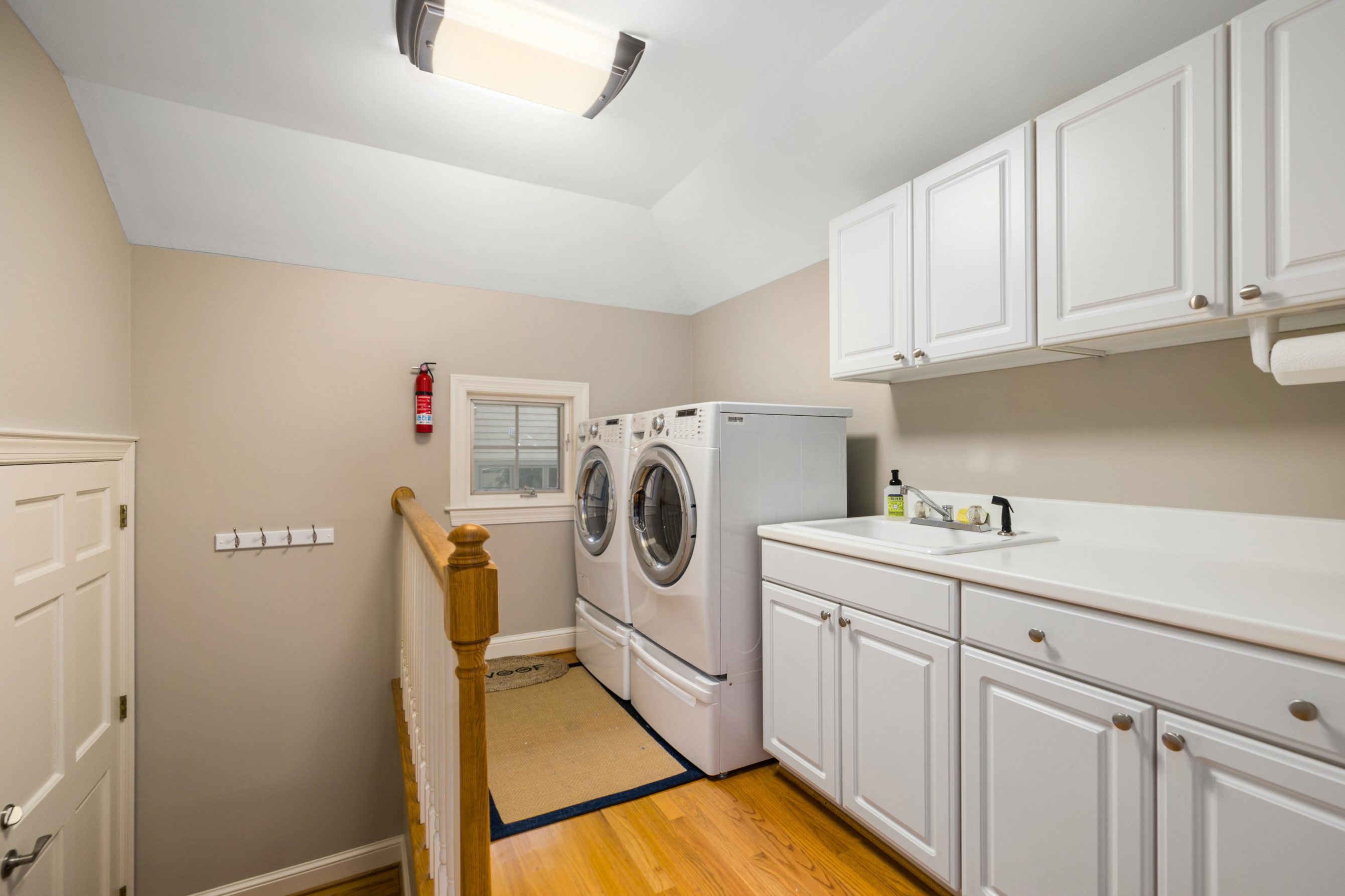
If you are on a time-of-use tariff, the best time to run these appliances is usually outside your utility's peak window. In practice, that often means late evening, overnight, early morning, or other off-peak periods defined by your plan. But the three appliances are not equal: the dryer is usually the first one worth shifting, the dishwasher is next, and the washing machine is often the lowest priority unless you use hot washes or an electric water heater.
If your home has rooftop solar, there is one important twist: midday solar can be better than overnight off-peak, especially for the washing machine and dishwasher, because you may be using energy that would otherwise be exported at a low feed-in rate.
The short version
| Appliance | Best timing on a TOU tariff | Why it matters | Biggest caution |
|---|---|---|---|
| Dishwasher | Off-peak evening or overnight, or sunny midday if you have solar | It heats water internally and usually uses a meaningful amount of electricity per cycle | Do not run half loads just because the tariff is cheaper |
| Washing machine | Midday solar first, then off-peak if needed | In cold wash mode, the machine itself often uses less electricity than people expect | Hot washes and electric water heating can change the cost picture |
| Clothes dryer | Off-peak whenever possible, or sunny midday if that suits your home | It is usually the most expensive of the three to run | Noise, indoor humidity, and convenience still matter |
Which appliance should you care about most?
1. Dryer: usually the best load to move
If you want the biggest bill impact from changing appliance timing, start with the dryer.
Utilities that publish appliance comparisons often put the electric dryer far above the washing machine for electricity cost. PG&E's appliance-cost guide, for example, shows a much higher monthly cost estimate for an electric dryer than for a washing machine on the same tariff structure. We Energies also classifies the electric clothes dryer as a moderate-impact appliance for time-of-use shifting, while the clothes washer is listed as low or no impact unless hot water is part of the picture.
That lines up with what most households see in practice: the dryer is a straightforward electric heating load, so running it during expensive peak hours is usually the easiest avoidable mistake.
2. Dishwasher: worth scheduling, especially for full evening loads
A dishwasher is often the next best appliance to shift because it combines a long cycle with water heating and drying functions. It also tends to be easy to schedule because many households load it after dinner and let it run later using delay start.
This is one of the simplest time-of-use habits to adopt because it usually does not disrupt daily life. If your tariff has a peak period in the late afternoon or evening, loading after dinner and setting the dishwasher to start after peak can be a practical compromise.
3. Washing machine: timing matters less than wash settings
The washing machine is still worth thinking about, but not for the same reason. On many homes, especially when using cold water, the washer itself is not the main bill problem. The bigger savings often come from cold washing, full loads, and extracting more water in the spin cycle so the dryer works less afterward.
Australia's energy.gov.au notes that heating water is by far the biggest user of energy when washing fabric, and that cold washing saves energy and money. It also recommends using delay start to avoid peak times. That means the washing machine becomes much more interesting on time-of-use tariffs when you regularly use warm or hot cycles, or when your hot water setup is electric.
The best timing for different kinds of homes
If you have a standard time-of-use tariff and no solar
Your best default is simple:
- Run the dryer outside peak hours whenever possible.
- Run the dishwasher after peak, especially if it has a delay-start feature.
- Move the washing machine too if it is easy, but do not expect washer timing alone to transform the bill.
If your utility's peak window is something like 4 pm to 9 pm, avoid starting long dishwasher or dryer cycles inside that band unless convenience matters more than savings.
If you have rooftop solar
Your best timing may be different from a non-solar home.
For many solar households, sunny midday is the cheapest useful time to run the washing machine or dishwasher because it increases self-consumption. That can be more valuable than sending surplus power to the grid for a low feed-in credit. The dryer is a bit more situational, because it is often a larger load and may still exceed what your solar system is producing at that moment.
A practical solar-first order is:
- Washing machine in late morning or early afternoon
- Dishwasher in late morning, early afternoon, or via delayed start if someone is home
- Dryer only in midday if your solar surplus is genuinely large enough; otherwise push it to off-peak
If you work during the day
In that case, the dishwasher is usually the easiest win because you can load it when convenient and let delay start handle the timing. The dryer is next if your machine has a timer or if you can batch laundry into off-peak periods. The washer is often last in priority unless you are deliberately using hot cycles.
What actually saves more than timing alone
A lot of people focus on time-of-use scheduling and ignore the bigger habits sitting next to it.
Dishwasher
The most useful low-effort rules are:
- Run full loads.
- Use eco mode where it works well.
- Turn off heated dry if results are still acceptable.
- Use delay start instead of running right at the expensive part of the evening.
ENERGY STAR notes that dishwashers use about the same amount of energy and water regardless of how many dishes are inside, so full loads matter. energy.gov.au also recommends using economy modes, air drying where possible, and delay start.
Washing machine
The biggest practical wins are:
- Wash in cold water when suitable.
- Run full loads.
- Use a high spin speed to reduce dryer time.
- Shift warm or hot washes out of peak periods.
Dryer
The main rules are:
- Treat the dryer as the priority appliance for off-peak shifting.
- Dry full, well-spun loads instead of several small loads.
- Use autosensing modes where available.
- Skip the dryer entirely when line drying or indoor rack drying is realistic.
A simple ranking if you only want one rule per appliance
If you do not want a complicated strategy, use this:
- Dryer: never make peak hours its default.
- Dishwasher: load after dinner and start after peak.
- Washing machine: use cold washes first, then worry about timing.
That approach gets the order of importance mostly right for a normal household.
When timing changes will not help much
Changing run times may do very little if:
- You are on a flat-rate tariff rather than time-of-use.
- Your peak and off-peak rates are only slightly different.
- The washing machine already uses cold water and the dryer is rarely used.
- Your household routine makes off-peak use impractical and causes missed loads or constant re-washing.
In those cases, appliance efficiency, full loads, wash temperature, and dryer reduction can matter more than clock timing.
Final takeaway
On a time-of-use tariff, the best appliance schedule is usually dryer first, dishwasher second, washer third. For non-solar homes, off-peak hours are the default target. For solar homes, midday self-consumption can be even better for the dishwasher and washing machine.
If you want a simple starting point, do this for the next month: delay the dishwasher until after peak, keep laundry loads full, switch most washing to cold, and stop running the dryer during the most expensive tariff window. That is usually enough to cut waste without turning your week into an appliance-management project.