Device Comparison
Chint DTSU666 vs GoodWe GMK330 vs SMA Energy Meter
A solar-ecosystem meter comparison for homes choosing between common inverter-aligned import/export meters.
Free Compare
Build your own comparison
Which To Choose
Start with the practical fit, then read the table.
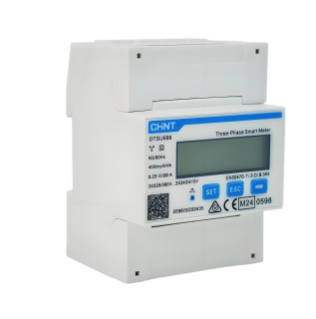
Chint DTSU666
Best fit when three-phase four-wire (3P4W), 220-240 V L-N / 380-415 V L-L, 50/60 Hz, solar import/export visibility, and local dashboards and Home Assistant.
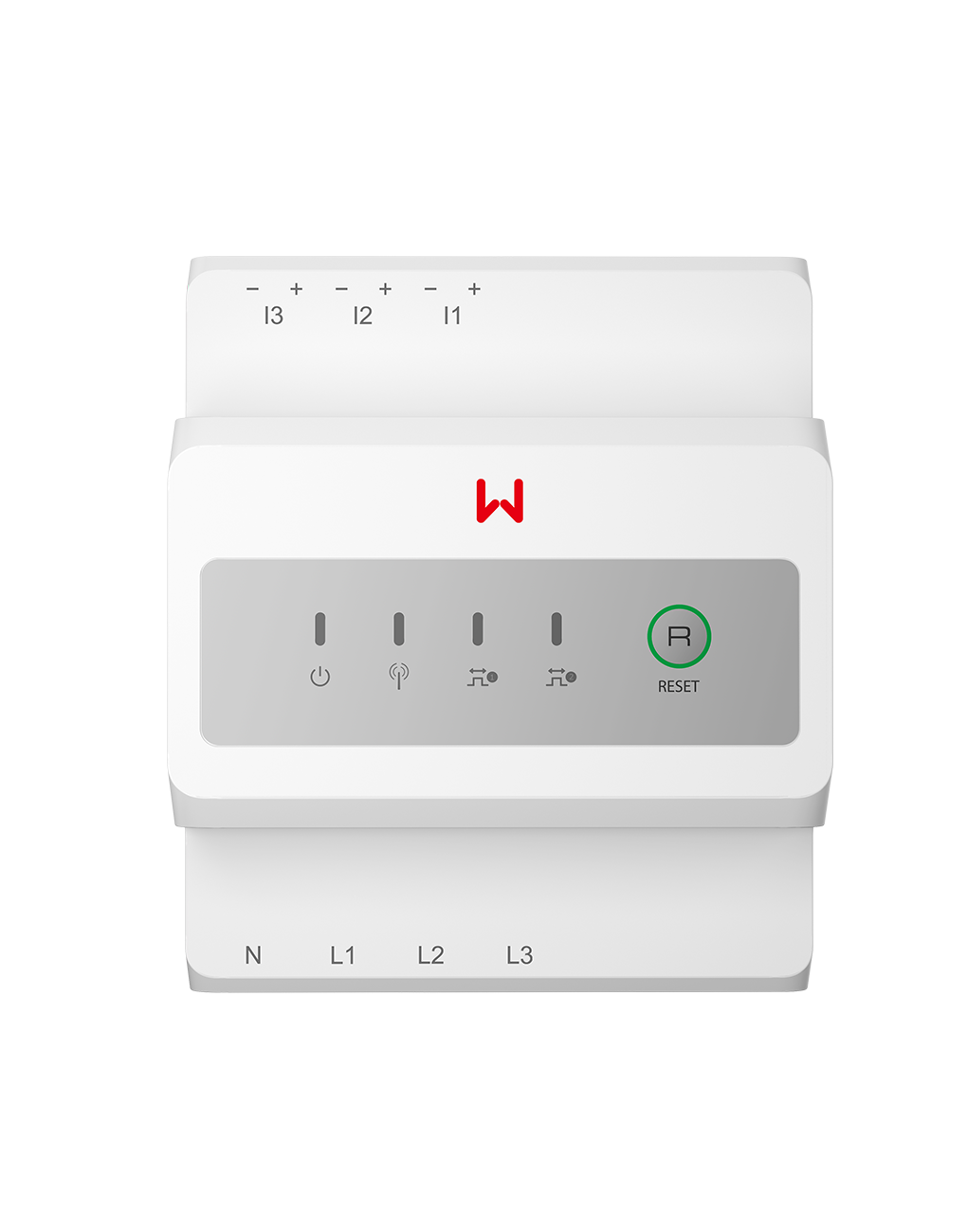
GoodWe GMK330 Smart Meter
Best fit when 1P2W / 3P3W / 3P4W, solar import/export visibility, and local dashboards and Home Assistant.
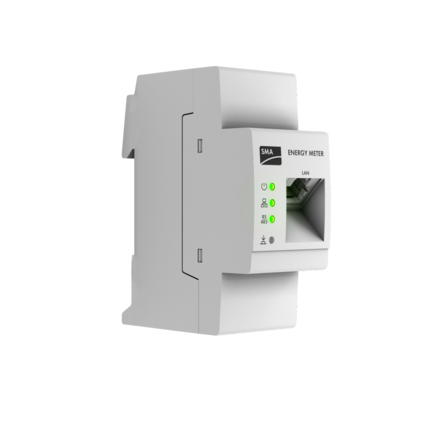
SMA Energy Meter
Best fit when 120/240 V split-phase; 208 V 3-phase with a third CT and L3 voltage conductor; not 3-phase 480 V., solar import/export visibility, and local data access.
Use this comparison when the meter is being chosen mainly to support inverter monitoring, export control, or energy management inside a broader solar brand ecosystem.
At A Glance
Key fit signals before the full table
A quick pass over the most decision-shaping details for each device in this featured comparison.
Chint DTSU666
- Phase
- Three-phase four-wire (3P4W), 220-240 V L-N / 380-415 V L-L, 50/60 Hz
- Installation
- Indoor 4-module DIN35 rail direct-connected installation; IP20 enclosure
- Measurement
- Bidirectional three-phase direct-connected electrical-parameter and import/export energy measurement
- Max current
- 80 A
GoodWe GMK330 Smart Meter
- Phase
- 1P2W / 3P3W / 3P4W
- Installation
- Indoor DIN-rail mounted IP20 smart meter with external CTs.
- Measurement
- CT-based grid-connection-point reference/control meter for consumption, load, import/export, export limiting and zero-feed; not a utility billing meter.
- Max current
- 120 A
SMA Energy Meter
- Phase
- 120/240 V split-phase; 208 V 3-phase with a third CT and L3 voltage conductor; not 3-phase 480 V.
- Installation
- Main-service-panel retrofit downstream of utility meter; included magnetic/duct-tape mounting adapter and clamp CTs; qualified-person installation.
- Measurement
- CT-based current, voltage, power factor, frequency, and active/reactive/apparent power and energy; import/export monitoring; not utility billing.
- Max current
- 200 A
Before You Decide
Checks that matter before price.
- Confirm your supply type first: single-phase, split-phase, or three-phase.
- Decide whether DIN-rail wiring, CT clamps, or utility-meter access fits your switchboard.
- Choose between cloud convenience and local data access before comparing prices.
- For solar homes, make sure import, export, and load readings are measured at the right point.
| Install fit | |||
|---|---|---|---|
| Phase support | Three-phase four-wire (3P4W), 220-240 V L-N / 380-415 V L-L, 50/60 Hz | 1P2W / 3P3W / 3P4W | 120/240 V split-phase; 208 V 3-phase with a third CT and L3 voltage conductor; not 3-phase 480 V. |
| Installation | Indoor 4-module DIN35 rail direct-connected installation; IP20 enclosure | Indoor DIN-rail mounted IP20 smart meter with external CTs. | Main-service-panel retrofit downstream of utility meter; included magnetic/duct-tape mounting adapter and clamp CTs; qualified-person installation. |
| Measurement | Bidirectional three-phase direct-connected electrical-parameter and import/export energy measurement | CT-based grid-connection-point reference/control meter for consumption, load, import/export, export limiting and zero-feed; not a utility billing meter. | CT-based current, voltage, power factor, frequency, and active/reactive/apparent power and energy; import/export monitoring; not utility billing. |
| Max current | 80 A | 120 A | 200 A |
| Meter fit | |||
| Accuracy class | Energy 1%; voltage, current and power 0.5% (DTSU666-G direct variant) | Class 0.5 voltage/current and active energy; Class 1 reactive energy | Full-scale accuracy: current 1.5%; voltage 0.5%; active energy 2.0%. |
| Current sensing | DTSU666-G direct input 0.25-5(80) A; no external CT | 3 external CTs included; current production is unified to 120 A:40 mA. The previous 200 A:50 mA CT version was phased out after June 2026. | Two 200 A clamp-on CCT1U CTs are included for 120/240 V split-phase service; supported 208 V three-phase service requires an additional third CT and L3 voltage conductor. |
| Monitoring | |||
| Protocol | RS485 / Modbus RTU | RS485 | 10/100 Ethernet: SMA Energy Meter Protocol / Speedwire and Modbus TCP; RS-485: Modbus RTU |
| Local API | Yes | Yes | Yes |
| Cloud dependency | No cloud required; RS-485 Modbus RTU metering is local. Remote use depends on a separate gateway or host. | No cloud required for the local RS485 meter link to a compatible GoodWe inverter/controller; SEMS cloud is optional for wider system monitoring. | Local LAN or RS-485 operation does not require cloud. Remote app monitoring uses SMA Energy App and Sunny Portal/ennexOS. |
| Home Assistant | Yes | Yes | No |
| Solar fit | |||
| Solar import/export | Yes | Yes | Yes |
| Buying context | |||
| Price range | Unknown | Installer-supplied or bundled with compatible GoodWe systems | Unknown |
| Availability | Global CHINT product range with localized availability through CHINT subsidiaries and distributors | Global GoodWe residential smart-meter range; regional availability and compatible inverter lists vary by market and distributor channel. | United States and Canada only for the EMETER-US-50 / ES103 LR CCT1U variant; purchase is through SMA authorized distributors. |
| Source check | |||
| Last verified | Sep 2, 2026 | Sep 4, 2026 | Sep 19, 2026 |
| Product page | Official page | Official page | Official page |
| Documentation | Official docs | Official docs | Official docs |
Verdict
Choose the meter that best matches the inverter family and installer workflow you already expect to use, because ecosystem fit matters more here than raw feature count.
FAQ
Common decision questions.
Which energy meter should I choose?
Choose the option that matches your installation constraints and data path first. For 3 energy meter options, the full table is most useful after you know whether local data access, cloud convenience, backup behavior, solar visibility, or expansion matters most.
What should I check before comparing prices?
Check installation fit, required accessories, official documentation, monitoring platform support, and any unknown fields in the source-checked table. Price is only useful once those constraints are clear.
Can these devices work with local dashboards or Home Assistant?
Chint DTSU666, GoodWe GMK330 Smart Meter list Home Assistant support in the catalog. Chint DTSU666, GoodWe GMK330 Smart Meter, SMA Energy Meter are marked with local API support. Confirm firmware, region, and integration maturity before treating this as a final compatibility guarantee.
Are unknown fields a reason to avoid a device?
Not always. Unknown means the field was not confirmed from the reviewed source data. Treat it as a question for the installer, reseller, or manufacturer before making a purchase decision.
Does the verdict replace the specification table?
No. The verdict is a practical shortcut. Use the table to confirm the exact constraints that matter for your home, especially installation, monitoring, and support details.