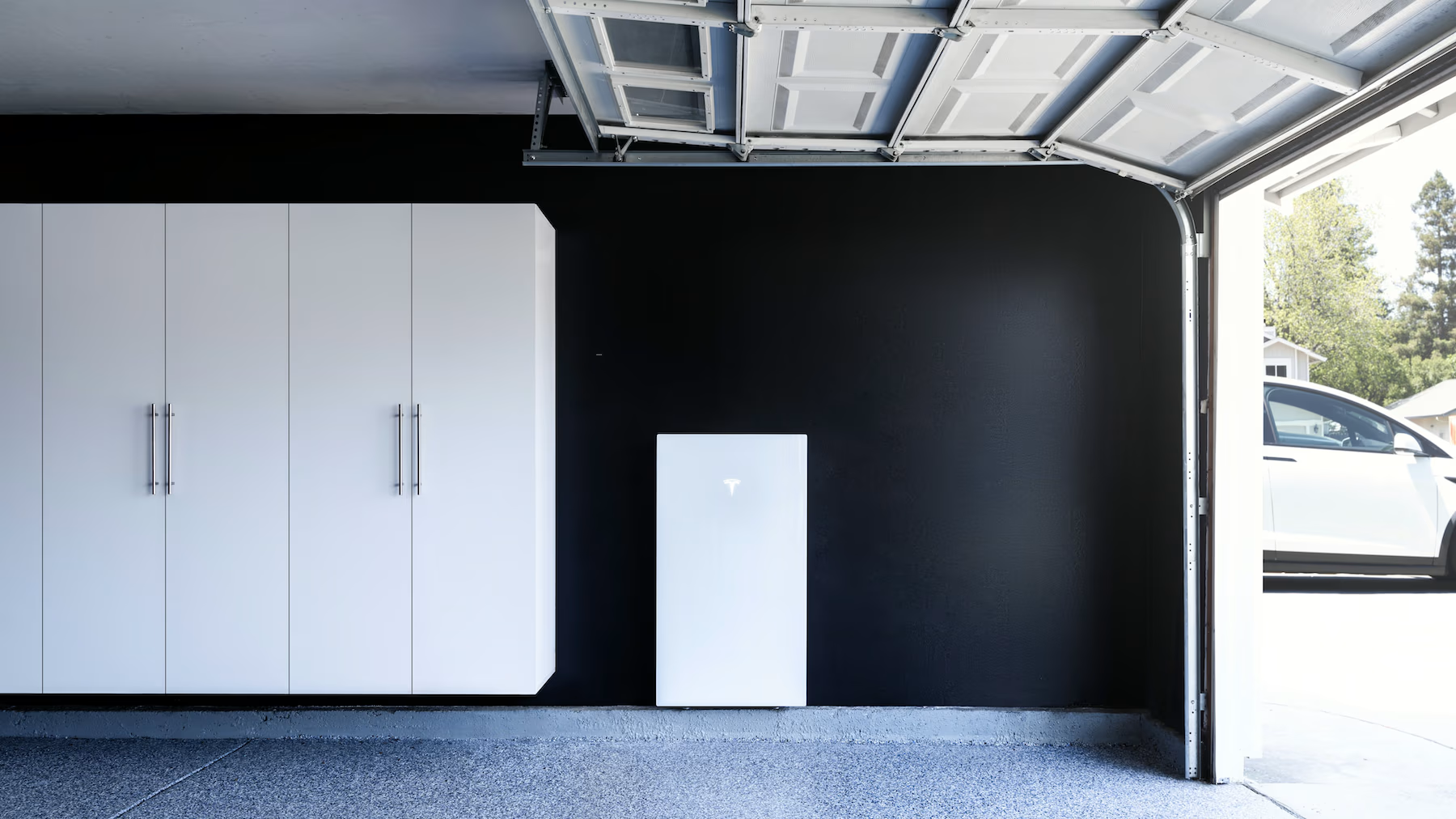
Device Comparison
Tesla Powerwall 3 vs FranklinWH aPower 2
Compare Tesla Powerwall 3 vs FranklinWH aPower 2 by installation fit, monitoring, local data access, source-checked specs, and buying context.
Free Compare
Build your own comparison
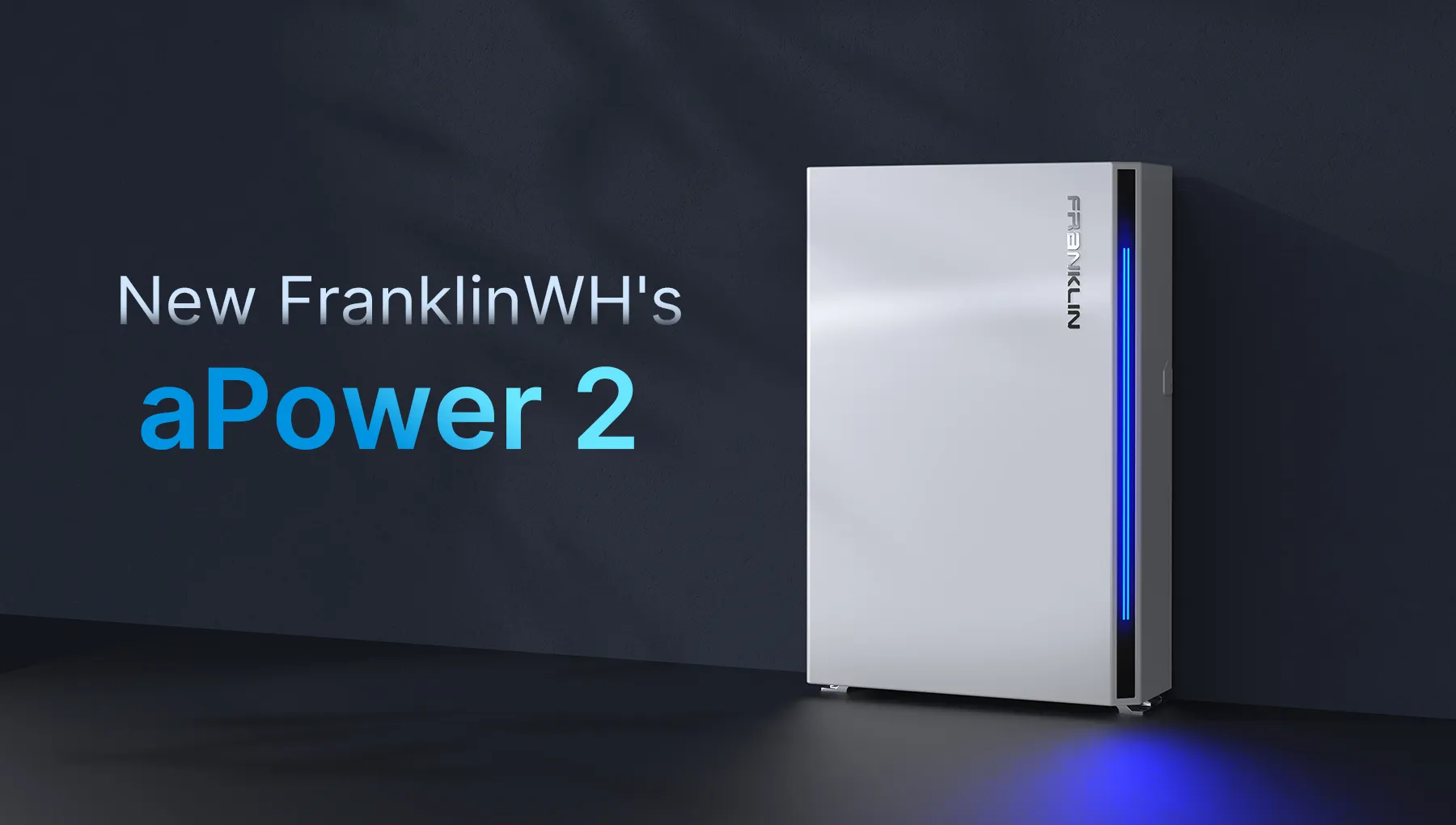
Which To Choose
Start with the practical fit, then read the table.
Tesla Powerwall 3
Best fit when about 13.5 kWh usable storage, backup needs like seamless whole-home or partial-home backup is a core supported use case; Tesla's current support documentation says non-backup configuration is not supported for Powerwall 3., and future expansion.
FranklinWH aPower 2
Best fit when about 15 kWh usable storage, backup needs like whole-home backup / Emergency Backup when installed as a compatible FranklinWH system with aGate., and future expansion.
Use this comparison when you are choosing between battery storage options and need to separate practical setup fit from headline specifications.
At A Glance
Key fit signals before the full table
A quick pass over the most decision-shaping details for each device in this featured comparison.
Tesla Powerwall 3
- Usable capacity
- 13.5 kWh
- Nominal capacity
- 13.5 kWh
- Chemistry
- Lithium-ion; subtype not specified in reviewed public Tesla Powerwall 3 sources.
- Charge/discharge
- 11.5 kW
FranklinWH aPower 2
- Usable capacity
- 15 kWh
- Nominal capacity
- 15 kWh
- Chemistry
- Lithium iron phosphate (LFP)
- Charge/discharge
- 10 kW
Before You Decide
Checks that matter before price.
- Separate bill-shifting size from backup size before comparing models.
- Check usable capacity, discharge power, and expansion path together.
- Confirm whether the battery fits your existing inverter or needs a new system stack.
- Compare warranty terms and installer support, not only kWh per dollar.
| Install fit | ||
|---|---|---|
| Phase support | North American split-phase residential systems; regional variants differ | Residential whole-home backup system context via FranklinWH system components |
| Installation | Certified installer wall- or floor-mounted indoor/outdoor residential battery installation. | Indoor / outdoor wall- or floor-mounted AC-coupled battery; Type 3R enclosure with IP67 battery pack and inverter rating. |
| Measurement | Residential battery-storage and integrated solar inverter system for backup, self-consumption, and time-of-use energy management. | AC-coupled residential battery storage for solar, grid, generator, EV, self-consumption, time-of-use, and backup operation. |
| Max current | 48 A | Unknown |
| Inverter fit | ||
| Backup support | Seamless whole-home or partial-home backup is a core supported use case; Tesla's current support documentation says non-backup configuration is not supported for Powerwall 3. | Whole-home backup / Emergency Backup when installed as a compatible FranklinWH system with aGate. |
| Battery fit | ||
| Nominal capacity | 13.5 kWh | 15 kWh |
| Usable capacity | 13.5 kWh | 15 kWh |
| Chemistry | Lithium-ion; subtype not specified in reviewed public Tesla Powerwall 3 sources. | Lithium iron phosphate (LFP) |
| Charge/discharge power | 11.5 kW | 10 kW |
| Warranty | 10 years | 15 years |
| Expansion | Up to 4 Powerwall 3 units plus 3 Expansion units (7 total); each Expansion adds 13.5 kWh. | 15 kWh per unit; up to 15 units / 225 kWh per aGate |
| Monitoring | ||
| Protocol | Tesla App / Wi-Fi / Ethernet / Cellular | FranklinWH App / aGate |
| Local API | No | No |
| Cloud dependency | Internet is required for app/remote features, firmware updates and the full 10-year warranty; prolonged disconnection may limit warranty coverage to 4 years. | FranklinWH App is the documented user interface; aPower 2 operates within the FranklinWH aGate system rather than as a standalone local-API battery. |
| Home Assistant | No | No |
| Solar fit | ||
| Solar import/export | Yes | Yes |
| Buying context | ||
| Price range | Installer supplied; usually quoted as a complete installed system | Unknown |
| Availability | Tesla Powerwall markets including the United States and other country-specific Tesla Energy sales/installer regions; availability varies by location. | United States and Canada for SKU APR-10K15V2-US; other FranklinWH regional products and variants must be checked separately. |
| Source check | ||
| Last verified | Oct 1, 2026 | Sep 24, 2026 |
| Product page | Official page | Official page |
| Documentation | Official docs | Official docs |
Verdict
Start with Tesla Powerwall 3 when about 13.5 kWh usable storage, backup needs like seamless whole-home or partial-home backup is a core supported use case; Tesla's current support documentation says non-backup configuration is not supported for Powerwall 3., and future expansion. Put FranklinWH aPower 2 higher on the list when about 15 kWh usable storage, backup needs like whole-home backup / Emergency Backup when installed as a compatible FranklinWH system with aGate., and future expansion. For the final choice, check the full table for installation constraints, local data access, and source-verified unknowns.
FAQ
Common decision questions.
Which battery storage should I choose?
Choose the option that matches your installation constraints and data path first. For Tesla Powerwall 3 vs FranklinWH aPower 2, the full table is most useful after you know whether local data access, cloud convenience, backup behavior, solar visibility, or expansion matters most.
What should I check before comparing prices?
Check installation fit, required accessories, official documentation, monitoring platform support, and any unknown fields in the source-checked table. Price is only useful once those constraints are clear.
Are unknown fields a reason to avoid a device?
Not always. Unknown means the field was not confirmed from the reviewed source data. Treat it as a question for the installer, reseller, or manufacturer before making a purchase decision.