Device Comparison
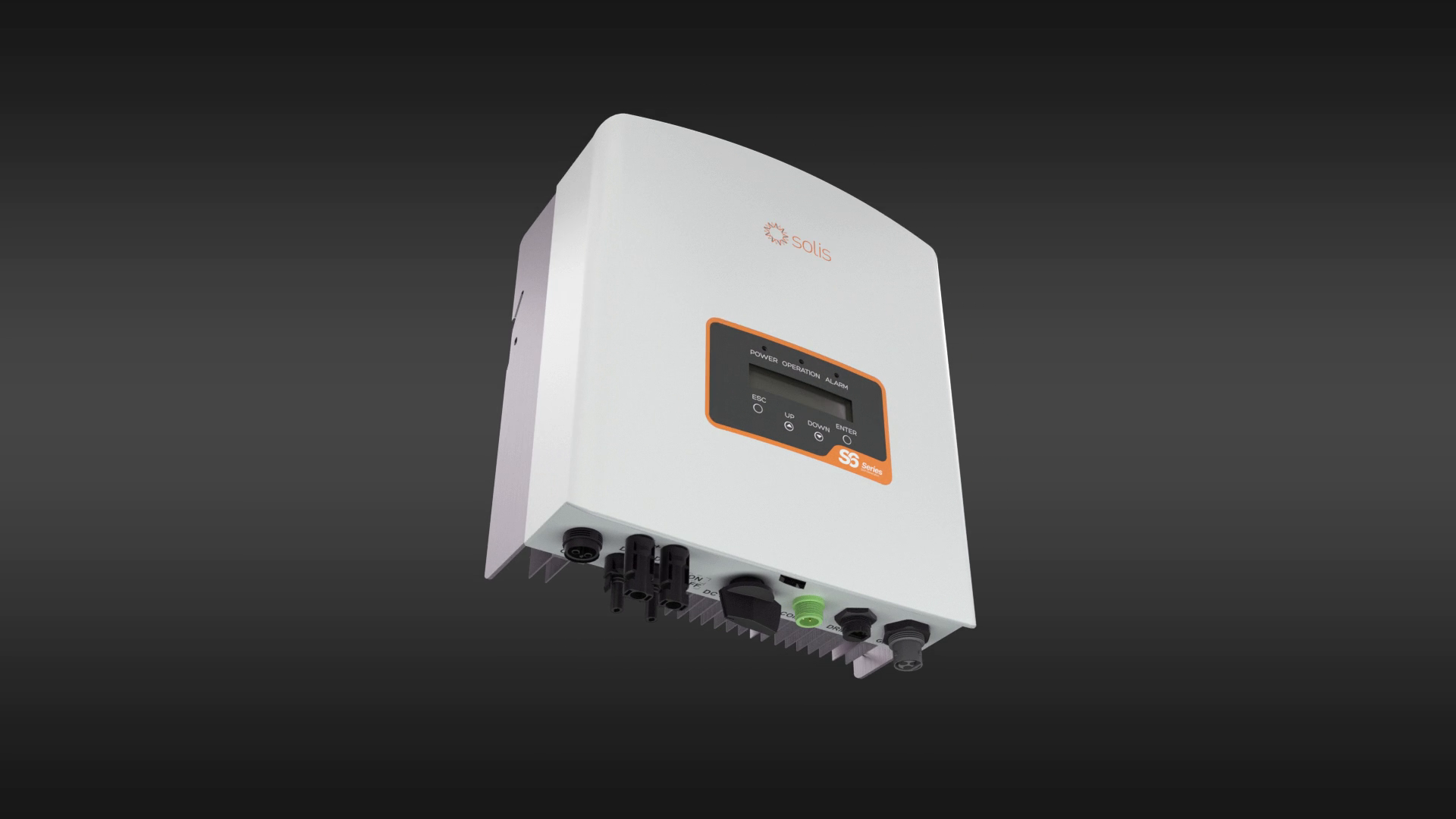
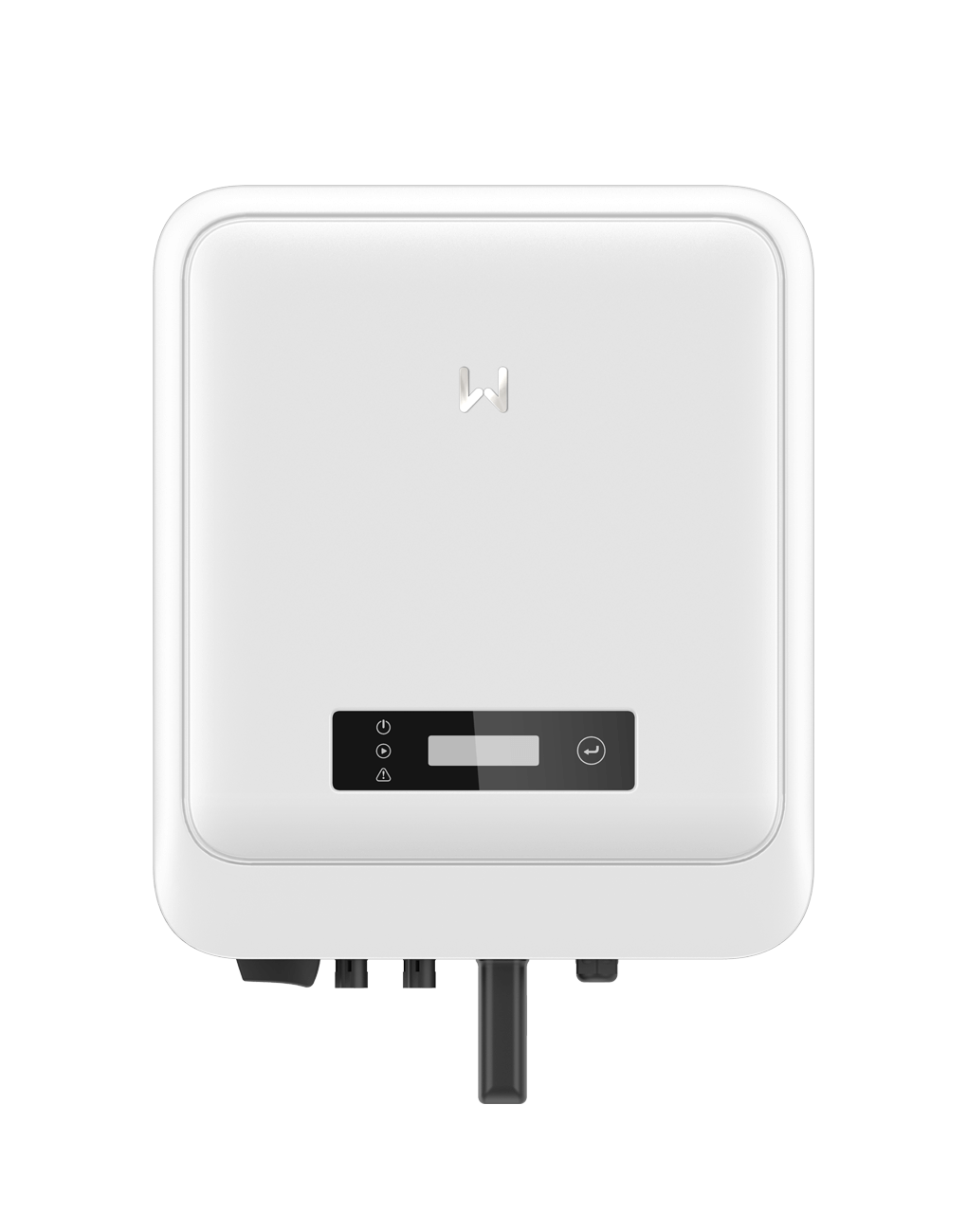
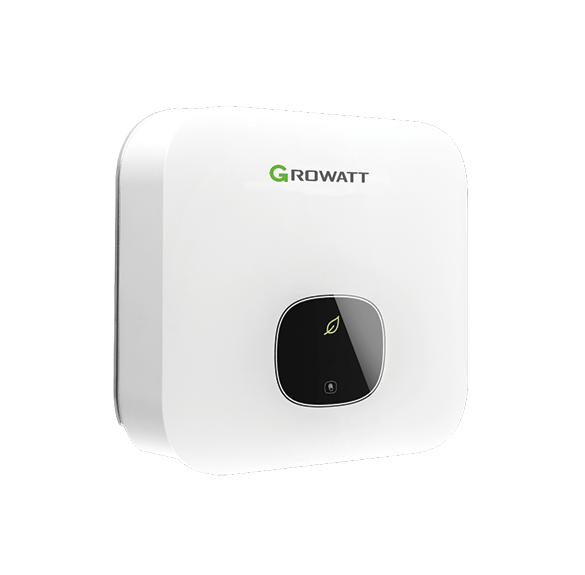
Solis S6-GR1P(0.7-3.6)K-M vs GoodWe DNS G3 vs Growatt MIN TL-X
An entry single-phase inverter comparison for buyers focused on smaller residential systems and simple solar-only installs.
Free Compare
Build your own comparison
Which To Choose
Start with the practical fit, then read the table.
Solis S6-GR1P(0.7-3.6)K-M
Best fit when a 3.6 kW inverter class, backup requirements like no battery or backup output verified; grid-tied string inverter., and Home Assistant or local monitoring goals.
GoodWe DNS G3
Best fit when a 6 kW inverter class and backup requirements like no battery backup output or backup/EPS function documented in the reviewed GoodWe DNS G3 product page or current datasheet; treat as grid-tied PV inverter..
Growatt MIN 3000-6000TL-X
Best fit when a 6 kW inverter class, backup requirements like no native battery or backup output support verified for the TL-X string-inverter record; use Growatt XH / hybrid families for battery-ready planning., and Home Assistant or local monitoring goals.
Use this comparison when the system is a modest single-phase home install and the goal is a straightforward string inverter rather than a premium hybrid platform.
At A Glance
Key fit signals before the full table
A quick pass over the most decision-shaping details for each device in this featured comparison.
Solis S6-GR1P(0.7-3.6)K-M
- Rated power
- 3.6 kW
- Max PV input
- 5.4 kW
- MPPT trackers
- 1
- Battery ready
- No
GoodWe DNS G3
- Rated power
- 6 kW
- Max PV input
- 9 kW
- MPPT trackers
- 2
- Battery ready
- No
Growatt MIN 3000-6000TL-X
- Rated power
- 6 kW
- Max PV input
- 8.1 kW
- MPPT trackers
- 2
- Battery ready
- No
Before You Decide
Checks that matter before price.
- Match rated power and MPPT layout to the roof, not just the headline inverter size.
- Check whether battery-ready really means compatible with the battery path you want.
- Look at backup behavior early, because it can change wiring and quote complexity.
- Decide whether the vendor app is enough or whether local data access matters later.
| Install fit | |||
|---|---|---|---|
| Phase support | Single-phase L/N/PE, 220/230 V; current V1.5 manual also documents 208/220/240 V split-phase wiring. | Single-phase residential grid-tied PV inverter; nominal AC output voltage 220 / 230 / 240 V at 50 / 60 Hz. | Single-phase 230 V residential PV inverter family. |
| Installation | Permanent vertical wall mounting, maximum +/-5 degrees; IP66 grid-tied inverter installed and wired by qualified personnel. | Wall-mounted indoor/outdoor residential PV inverter installation; IP66 enclosure with natural-convection cooling and plug-and-play AC connector. | Wall-mounted transformerless PV string inverter for indoor or outdoor IP65 residential installation. |
| Measurement | Single-MPPT grid-tied PV conversion with optional CT or meter input for export control and 24-hour load monitoring. | Single-phase residential grid-tied solar string inverter for PV DC-to-AC conversion with monitoring support. | Single-phase grid-tied PV string inverter with dual MPPT input, export-control support, and Shine monitoring options. |
| Max current | 16 A | Unknown | 27.2 A |
| Rated power | 3.6 kW | 6 kW | 6 kW |
| Inverter fit | |||
| Max PV input | 5.4 kW | 9 kW | 8.1 kW |
| MPPT trackers | 1 | 2 | 2 |
| Battery ready | No | No | No |
| Backup support | No battery or backup output verified; grid-tied string inverter. | No battery backup output or backup/EPS function documented in the reviewed GoodWe DNS G3 product page or current datasheet; treat as grid-tied PV inverter. | No native battery or backup output support verified for the TL-X string-inverter record; use Growatt XH / hybrid families for battery-ready planning. |
| Monitoring | |||
| Protocol | RS-485; optional Wi-Fi/GPRS logger; SolisCloud | Wi-Fi / RS485 / Modbus RTU / SunSpec / SEMS Portal | ShinePhone / ShineServer |
| Local API | Yes | No | No |
| Cloud dependency | Core conversion, display, RS-485 and CT/meter export control are local. Optional logger and SolisCloud provide remote monitoring. | Optional GoodWe SEMS/app cloud for monitoring; core grid-tied PV conversion is hardware-based. | Core inverter operation is local. Remote monitoring normally uses Growatt ShinePhone / ShineServer through optional Wi-Fi, 4G, RF, or LAN communication modules. |
| Home Assistant | Yes | No | Yes |
| Solar fit | |||
| Solar import/export | Yes | Yes | Yes |
| Buying context | |||
| Price range | Installer supplied; hardware price varies by model and region | Unknown | Installer supplied; hardware price varies by model and region |
| Availability | Global Solis range; exact 14 A or regional 16 A variant, grid approval, availability, and installer supply vary by country. | GoodWe currently lists DNS G3 through global, EMEA, Australia and selected localized catalogs; exact model availability, certification and grid-code approval vary by market. | EU, UK, Australia, Asia, and selected global Growatt markets; regional certification and model availability should be checked locally. |
| Source check | |||
| Last verified | Sep 21, 2026 | Sep 24, 2026 | Sep 12, 2026 |
| Product page | Official page | Official page | Official page |
| Documentation | Official docs | Official docs | Official docs |
Verdict
Choose mainly on installer support, preferred monitoring app, and local pricing, because these are all credible entry-to-midrange single-phase inverter families.
FAQ
Common decision questions.
Which solar inverter should I choose?
Choose the option that matches your installation constraints and data path first. For 3 solar inverter options, the full table is most useful after you know whether local data access, cloud convenience, backup behavior, solar visibility, or expansion matters most.
What should I check before comparing prices?
Check installation fit, required accessories, official documentation, monitoring platform support, and any unknown fields in the source-checked table. Price is only useful once those constraints are clear.
Can these devices work with local dashboards or Home Assistant?
Solis S6-GR1P(0.7-3.6)K-M, Growatt MIN 3000-6000TL-X list Home Assistant support in the catalog. Solis S6-GR1P(0.7-3.6)K-M are marked with local API support. Confirm firmware, region, and integration maturity before treating this as a final compatibility guarantee.
Are unknown fields a reason to avoid a device?
Not always. Unknown means the field was not confirmed from the reviewed source data. Treat it as a question for the installer, reseller, or manufacturer before making a purchase decision.
Does the verdict replace the specification table?
No. The verdict is a practical shortcut. Use the table to confirm the exact constraints that matter for your home, especially installation, monitoring, and support details.