Device Comparison
SolarEdge Home Hub Inverter Single Phase vs Solis S6-EH1P(3-10)K-L-PLUS vs Huawei SUN2000-3KTL-6KTL-L1 vs Fronius Primo GEN24
Compare 4 solar inverter options by installation fit, monitoring, local data access, source-checked specs, and buying context.
Free Compare
Build your own comparison
Which To Choose
Start with the practical fit, then read the table.
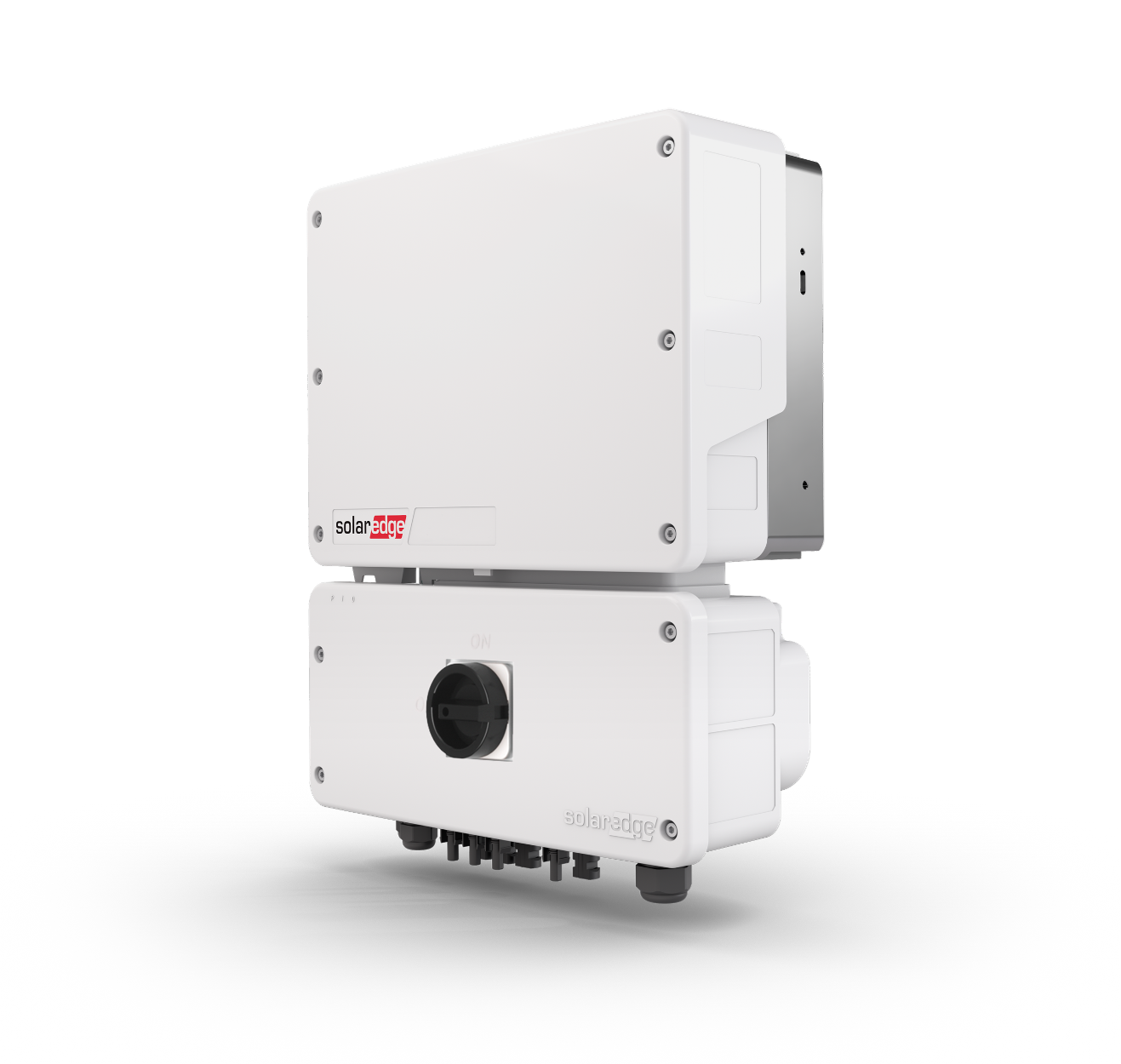
SolarEdge Home Hub Inverter Single Phase
Best fit when a 11.4 kW inverter class, battery-ready planning, and backup requirements like conditional backup with SolarEdge Home Battery and Backup Interface; subject to local rules, firmware, 240 V standalone support, and installed battery rating..
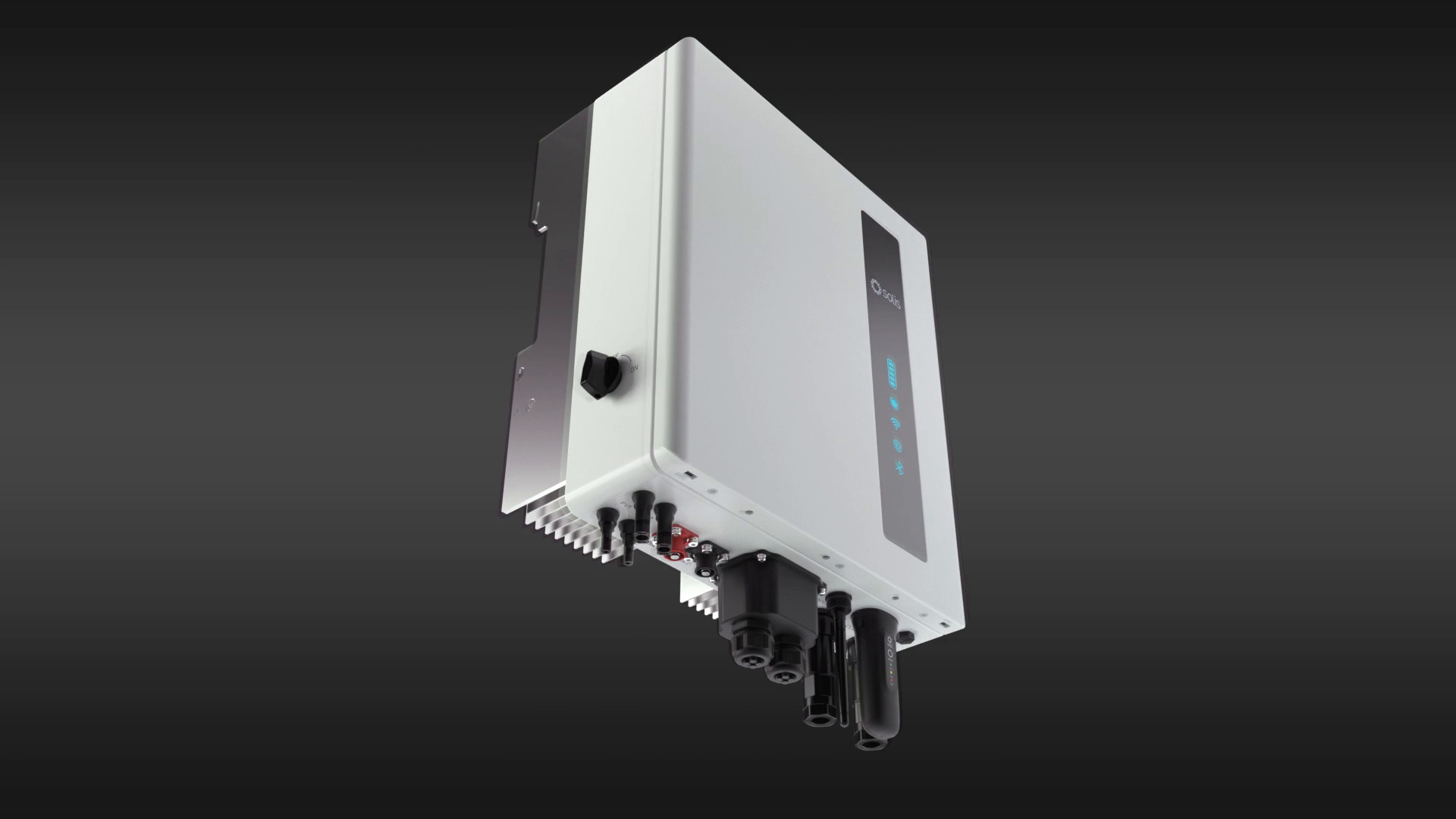
Solis S6-EH1P(3-10)K-L-PLUS
Best fit when a 10 kW inverter class, battery-ready planning, and backup requirements like on/off-grid backup; <10 ms transfer for one inverter, <20 ms for parallel systems; generator and smart-load support..
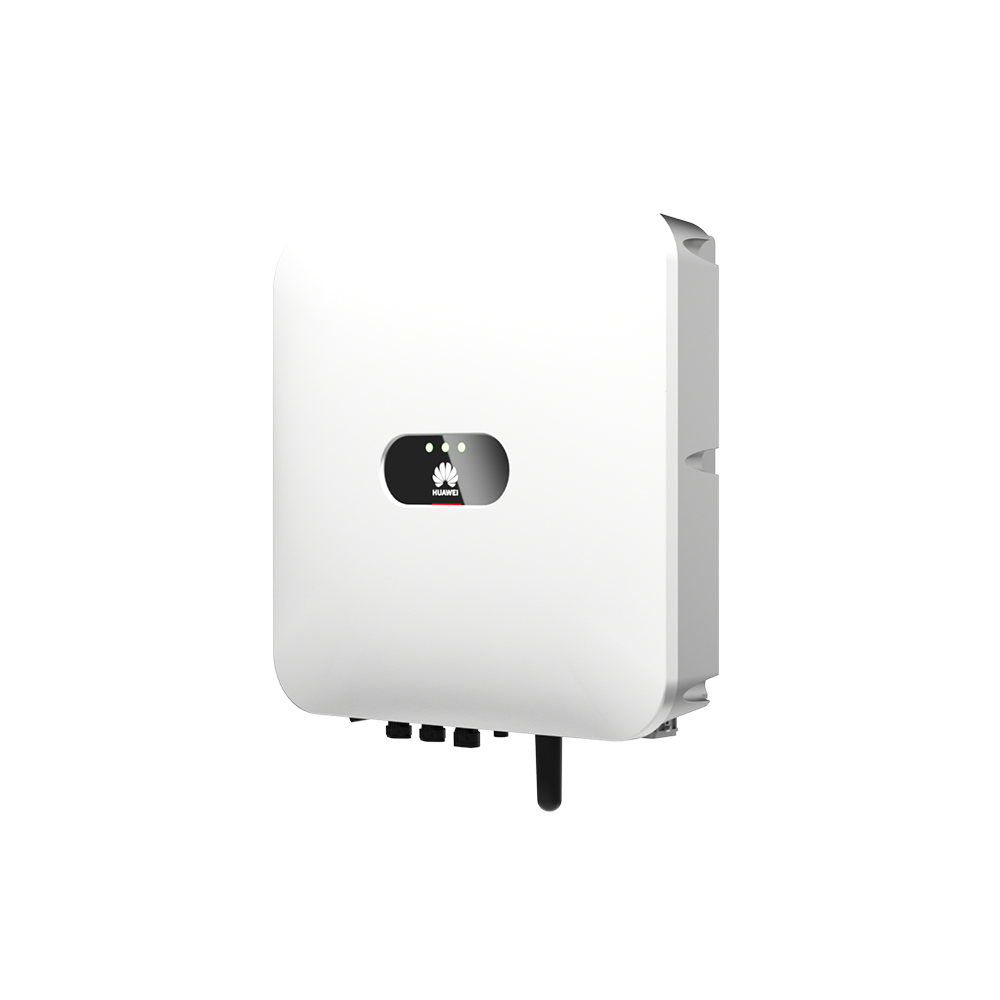
Huawei SUN2000-3KTL-6KTL-L1
Best fit when a 6 kW inverter class, battery-ready planning, and backup requirements like backup output supported when paired with Huawei Backup Box-B0 or SmartGuard-63A-S0 and a compatible LUNA2000 battery system; this is not a standalone off-grid capability..
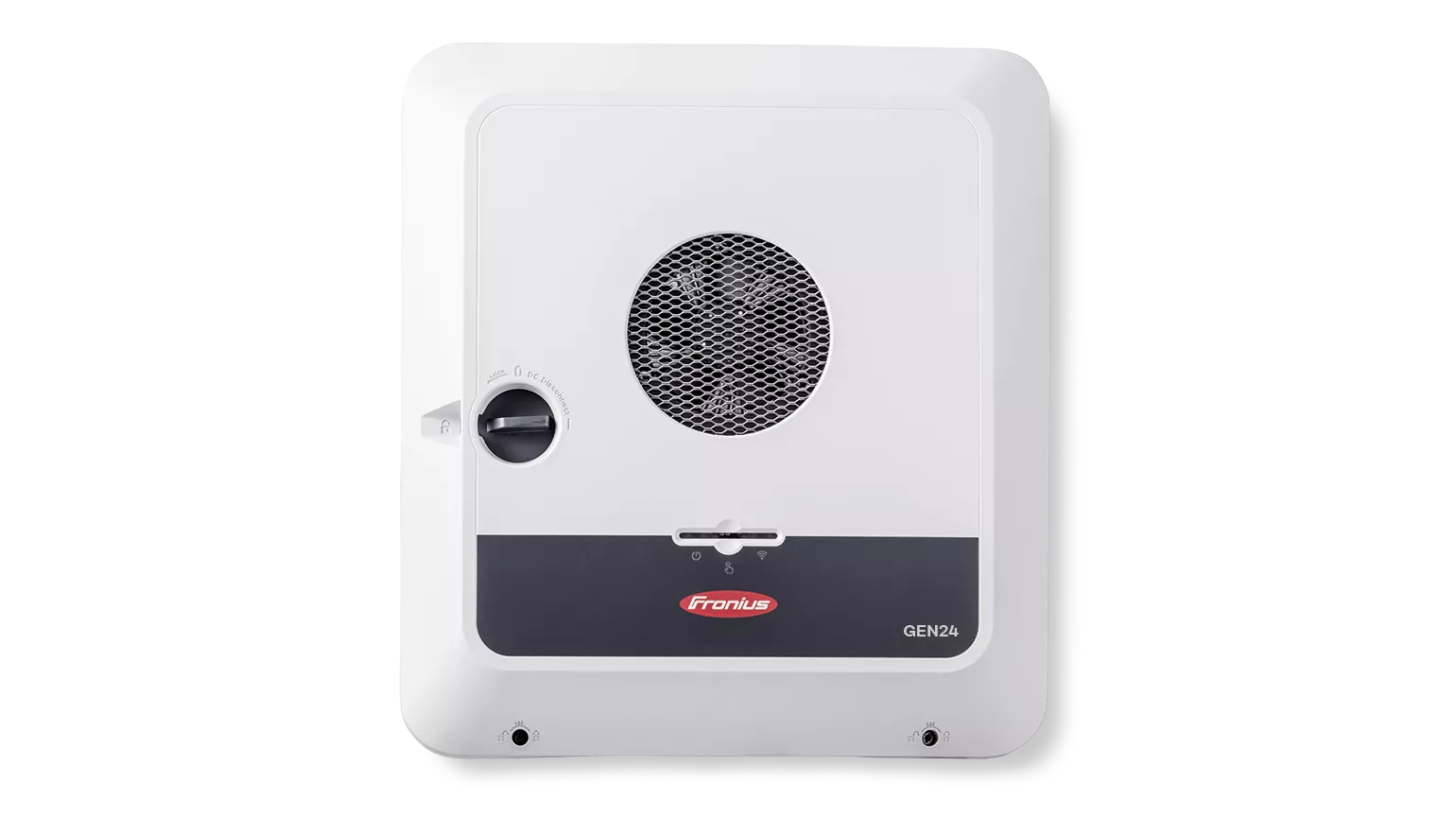
Fronius Primo GEN24
Best fit when a 10 kW inverter class, battery-ready planning, and backup requirements like pV Point is available on GEN24; Full Backup on Primo GEN24 Plus requires a compatible battery and external grid-switching components. Model and country limits apply..
Use this comparison when you are choosing between solar inverter options and need to separate practical setup fit from headline specifications.
At A Glance
Key fit signals before the full table
A quick pass over the most decision-shaping details for each device in this featured comparison.
SolarEdge Home Hub Inverter Single Phase
- Rated power
- 11.4 kW
- Max PV input
- 22.8 kW
- Battery ready
- Yes
- Backup
- Conditional backup with SolarEdge Home Battery and Backup Interface; subject to local rules, firmware, 240 V standalone support, and installed battery rating.
Solis S6-EH1P(3-10)K-L-PLUS
- Rated power
- 10 kW
- Max PV input
- 20 kW
- MPPT trackers
- 2
- Battery ready
- Yes
Huawei SUN2000-3KTL-6KTL-L1
- Rated power
- 6 kW
- Max PV input
- 9 kW
- MPPT trackers
- 2
- Battery ready
- Yes
Fronius Primo GEN24
- Rated power
- 10 kW
- Max PV input
- 10.36 kW
- MPPT trackers
- 2
- Battery ready
- Yes
Before You Decide
Checks that matter before price.
- Match rated power and MPPT layout to the roof, not just the headline inverter size.
- Check whether battery-ready really means compatible with the battery path you want.
- Look at backup behavior early, because it can change wiring and quote complexity.
- Decide whether the vendor app is enough or whether local data access matters later.
| Install fit | ||||
|---|---|---|---|---|
| Phase support | Single-phase or North American split-phase residential systems | Single-phase AC grid output, L/N/PE 220 V / 230 V, 50/60 Hz. | Single-phase residential solar systems | Single-phase 1~ NPE 220/230 V; separate North American variants support 208-240 V. |
| Installation | Wall-mounted SolarEdge ecosystem hybrid inverter | Single-phase low-voltage residential hybrid inverter for PV plus 40-60 V battery systems. | Wall-mounted single-phase smart PV inverter for indoor or outdoor IP65 installation | Wall-mounted IP66 indoor/outdoor single-phase string inverter; battery and Full Backup functions apply to compatible Primo GEN24 Plus configurations. |
| Measurement | Inverter telemetry for PV, battery, optimizer, and grid status | Solar hybrid inverter for PV conversion, battery charge/discharge control, grid export control, and backup-load operation. | Solar inverter telemetry for PV generation, battery DC path, grid status, and backup-capable Huawei Smart PV system operation | PV string-inverter telemetry for generation, grid power flow, compatible battery state and configured backup status; optional Modbus adds per-MPPT data. |
| Max current | 47.8 A | 50 A | 27.3 A | 27.5 A |
| Rated power | 11.4 kW | 10 kW | 6 kW | 10 kW |
| Inverter fit | ||||
| Max PV input | 22.8 kW | 20 kW | 9 kW | 10.36 kW |
| MPPT trackers | Unknown | 2 | 2 | 2 |
| Battery ready | Yes | Yes | Yes | Yes |
| Backup support | Conditional backup with SolarEdge Home Battery and Backup Interface; subject to local rules, firmware, 240 V standalone support, and installed battery rating. | On/off-grid backup; <10 ms transfer for one inverter, <20 ms for parallel systems; generator and smart-load support. | Backup output supported when paired with Huawei Backup Box-B0 or SmartGuard-63A-S0 and a compatible LUNA2000 battery system; this is not a standalone off-grid capability. | PV Point is available on GEN24; Full Backup on Primo GEN24 Plus requires a compatible battery and external grid-switching components. Model and country limits apply. |
| Monitoring | ||||
| Protocol | SolarEdge Monitoring Platform | SolisCloud | FusionSolar / Smart PV Ecosystem | WLAN / Ethernet / Fronius Solar API JSON / Modbus TCP SunSpec / RS485 / optional Solar.web |
| Local API | Yes | Yes | Yes | Yes |
| Cloud dependency | SolarEdge Monitoring cloud is standard; local Modbus/SunSpec options depend on setup. | SolisCloud is documented for remote control, AI optimisation, and troubleshooting; core inverter operation also includes local display and inverter controls. | FusionSolar cloud/app is the standard monitoring path; RS485, WLAN, Ethernet dongle, and optional 4G dongle communication are documented for system integration. | No cloud is required for local operation, web access, Solar API JSON or optional Modbus TCP. Solar.web is optional for remote monitoring. |
| Home Assistant | Yes | Yes | Yes | Yes |
| Solar fit | ||||
| Solar import/export | Yes | Yes | Yes | Yes |
| Buying context | ||||
| Price range | Installer supplied; hardware price varies by model and region | Installer supplied; hardware price varies by model and region | Installer supplied; hardware price varies by model and region | Installer supplied; hardware price varies by model and region |
| Availability | US, EU, UK, AU, selected markets | Solis global/regional product route; region, grid-code certification, battery compatibility, and installer availability vary by market. | EU, UK, Australia, Asia-Pacific, and selected global Huawei FusionSolar markets; availability and approved accessory stack vary by country. | EU, UK, Australia, North America, and selected global Fronius markets; exact Primo GEN24 / GEN24 Plus model availability varies by country. |
| Source check | ||||
| Last verified | Jun 9, 2026 | Oct 2, 2026 | Sep 3, 2026 | Sep 7, 2026 |
| Product page | Official page | Official page | Official page | Official page |
| Documentation | Official docs | Official docs | Official docs | Official docs |
Verdict
Start with SolarEdge Home Hub Inverter Single Phase when a 11.4 kW inverter class, battery-ready planning, and backup requirements like conditional backup with SolarEdge Home Battery and Backup Interface; subject to local rules, firmware, 240 V standalone support, and installed battery rating.. Put Solis S6-EH1P(3-10)K-L-PLUS higher on the list when a 10 kW inverter class, battery-ready planning, and backup requirements like on/off-grid backup; <10 ms transfer for one inverter, <20 ms for parallel systems; generator and smart-load support.. For the final choice, check the full table for installation constraints, local data access, and source-verified unknowns.
FAQ
Common decision questions.
Which solar inverter should I choose?
Choose the option that matches your installation constraints and data path first. For 4 solar inverter options, the full table is most useful after you know whether local data access, cloud convenience, backup behavior, solar visibility, or expansion matters most.
What should I check before comparing prices?
Check installation fit, required accessories, official documentation, monitoring platform support, and any unknown fields in the source-checked table. Price is only useful once those constraints are clear.
Can these devices work with local dashboards or Home Assistant?
SolarEdge Home Hub Inverter Single Phase, Solis S6-EH1P(3-10)K-L-PLUS, Huawei SUN2000-3KTL-6KTL-L1, Fronius Primo GEN24 list Home Assistant support in the catalog. SolarEdge Home Hub Inverter Single Phase, Solis S6-EH1P(3-10)K-L-PLUS, Huawei SUN2000-3KTL-6KTL-L1, Fronius Primo GEN24 are marked with local API support. Confirm firmware, region, and integration maturity before treating this as a final compatibility guarantee.
Are unknown fields a reason to avoid a device?
Not always. Unknown means the field was not confirmed from the reviewed source data. Treat it as a question for the installer, reseller, or manufacturer before making a purchase decision.