Device Comparison
GoodWe GM3000 vs GMK110 vs IAMMETER WEM2067 vs WEM3050T
A practical meter comparison for buyers choosing between inverter-native GoodWe meters and local-integration-friendly IAMMETER options.
Free Compare
Build your own comparison
Which To Choose
Start with the practical fit, then read the table.
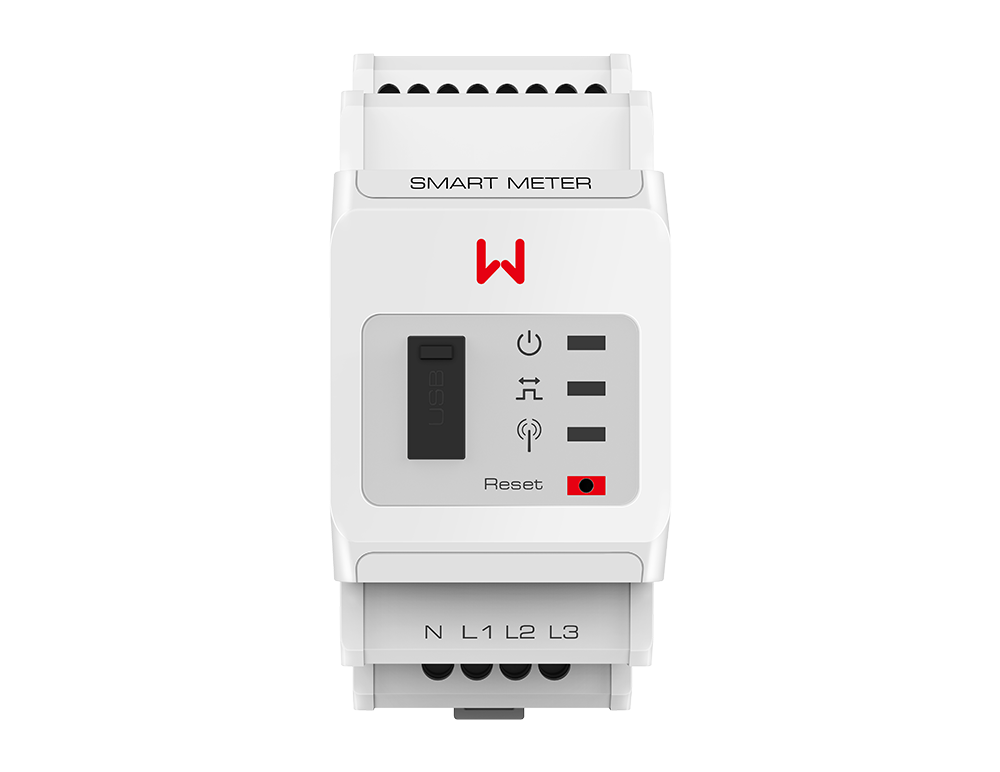
GoodWe Smart Meter GM3000
Best fit when three-phase four-wire (3L+N), nominal 400 Vac, 50/60 Hz; voltage range 0.7-1.2 Un., solar import/export visibility, and local dashboards and Home Assistant.
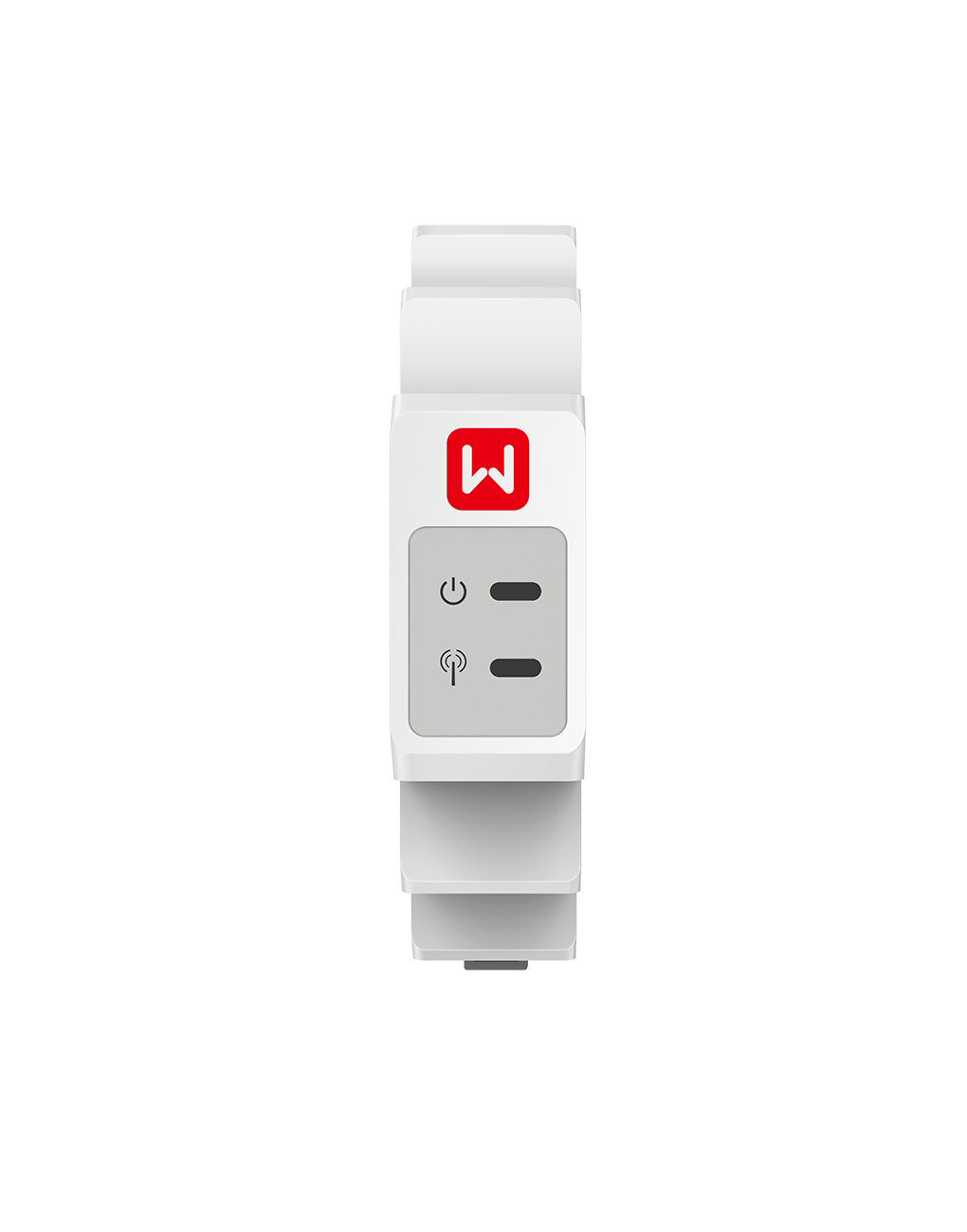
GoodWe Smart Meter GMK110
Best fit when single-phase 1P2W; 85-288 V L-N, 50/60 Hz, solar import/export visibility, and local dashboards and Home Assistant.
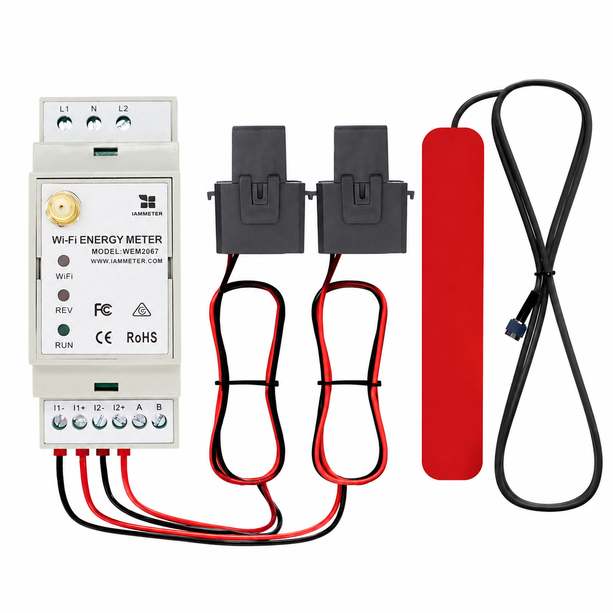
IAMMETER WEM2067
Best fit when dual-channel: single-phase solar, 120/240 V split-phase grid, or two independent single-phase circuits., solar import/export visibility, and local dashboards and Home Assistant.
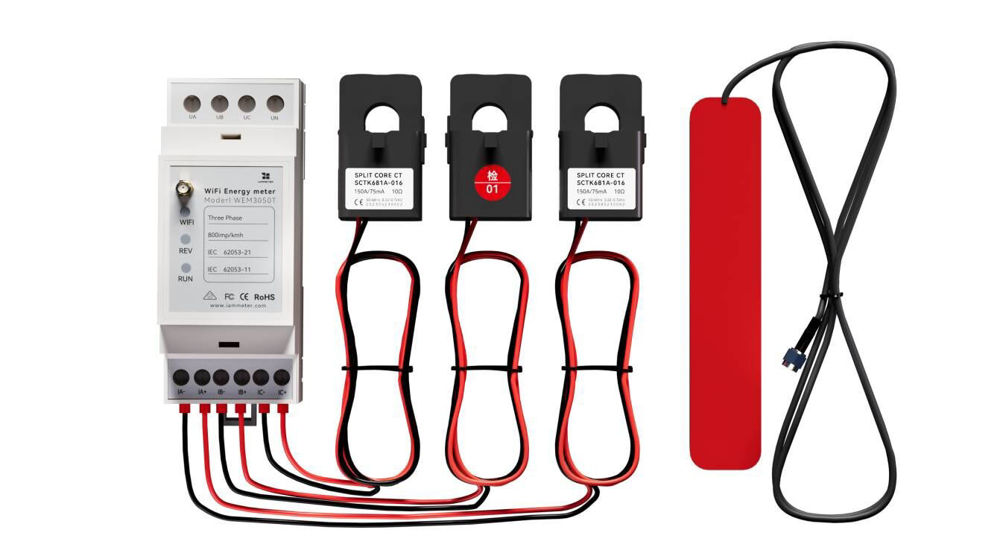
IAMMETER WEM3050T
Best fit when single-phase, split-phase, or 3-phase 4-wire WYE/Star; not 3-phase 3-wire Delta., solar import/export visibility, and local dashboards and Home Assistant.
Use this comparison when the shortlist mixes brand-native smart meters with more open local-integration meters and the right choice depends on ecosystem priorities.
At A Glance
Key fit signals before the full table
A quick pass over the most decision-shaping details for each device in this featured comparison.
GoodWe Smart Meter GM3000
- Phase
- Three-phase four-wire (3L+N), nominal 400 Vac, 50/60 Hz; voltage range 0.7-1.2 Un.
- Installation
- Indoor IP20, two-module (36 mm) DIN-rail meter with three external CTs; qualified installation and correct phase/CT orientation required.
- Measurement
- CT-based three-phase smart meter for voltage, current, power, energy, and export-limiting workflows in GoodWe systems
- Max current
- 120 A
GoodWe Smart Meter GMK110
- Phase
- Single-phase 1P2W; 85-288 V L-N, 50/60 Hz
- Installation
- Indoor one-module DIN-rail installation inside a distribution box; IP20 meter with one external 120 A:40 mA CT; qualified installation required.
- Measurement
- CT-based single-phase grid-connection-point monitoring for load tracking and export-power control; energy readings are reference-only, not utility billing.
- Max current
- 120 A
IAMMETER WEM2067
- Phase
- Dual-channel: single-phase solar, 120/240 V split-phase grid, or two independent single-phase circuits.
- Installation
- Indoor 2-pole DIN-rail installation with two external split-core CTs and Wi-Fi antenna; 90 x 36.5 x 58 mm, IP51 front.
- Measurement
- Dual-channel CT measurement of voltage, current, active/reactive power, power factor, frequency, and bidirectional active energy.
- Max current
- 150 A
IAMMETER WEM3050T
- Phase
- Single-phase, split-phase, or 3-phase 4-wire WYE/Star; not 3-phase 3-wire Delta.
- Installation
- 2P DIN-rail mounted Wi-Fi energy meter with 3 x 150A split-core CTs and an external antenna
- Measurement
- Bidirectional three-phase or split-phase Wi-Fi energy meter with active/reactive energy, power factor, and import/export monitoring
- Max current
- 150 A
Before You Decide
Checks that matter before price.
- Confirm your supply type first: single-phase, split-phase, or three-phase.
- Decide whether DIN-rail wiring, CT clamps, or utility-meter access fits your switchboard.
- Choose between cloud convenience and local data access before comparing prices.
- For solar homes, make sure import, export, and load readings are measured at the right point.
| Install fit | ||||
|---|---|---|---|---|
| Phase support | Three-phase four-wire (3L+N), nominal 400 Vac, 50/60 Hz; voltage range 0.7-1.2 Un. | Single-phase 1P2W; 85-288 V L-N, 50/60 Hz | Dual-channel: single-phase solar, 120/240 V split-phase grid, or two independent single-phase circuits. | Single-phase, split-phase, or 3-phase 4-wire WYE/Star; not 3-phase 3-wire Delta. |
| Installation | Indoor IP20, two-module (36 mm) DIN-rail meter with three external CTs; qualified installation and correct phase/CT orientation required. | Indoor one-module DIN-rail installation inside a distribution box; IP20 meter with one external 120 A:40 mA CT; qualified installation required. | Indoor 2-pole DIN-rail installation with two external split-core CTs and Wi-Fi antenna; 90 x 36.5 x 58 mm, IP51 front. | 2P DIN-rail mounted Wi-Fi energy meter with 3 x 150A split-core CTs and an external antenna |
| Measurement | CT-based three-phase smart meter for voltage, current, power, energy, and export-limiting workflows in GoodWe systems | CT-based single-phase grid-connection-point monitoring for load tracking and export-power control; energy readings are reference-only, not utility billing. | Dual-channel CT measurement of voltage, current, active/reactive power, power factor, frequency, and bidirectional active energy. | Bidirectional three-phase or split-phase Wi-Fi energy meter with active/reactive energy, power factor, and import/export monitoring |
| Max current | 120 A | 120 A | 150 A | 150 A |
| Nominal voltage | Unknown | Unknown | Unknown | 80-277 VAC (phase) / 140-480 VAC (line) |
| Meter fit | ||||
| Accuracy class | Voltage/current Class 1; active power Class 1; reactive power Class 2. | Class 1 voltage/current; Class 1 active energy; Class 2 reactive energy | Active energy Class 1 (IEC 62053-21); voltage, current and active power +/-1.0%. | Class 1 active energy (IEC 62053-21); ±1.0% voltage, current, and active power |
| Current sensing | 3 x external 120 A / 40 mA CTs included; default CT cable length 3 m, extendable to 5 m; each CT must match its phase and face House (K) toward Grid (L). | 1 x fixed-ratio 120 A:40 mA CT; GoodWe states the CT is not replaceable. Earlier 200 A:50 mA CT versions are phased out after June 2026. | Two included 150 A split-core CTs with 16 mm aperture; one CT per measurement channel. | 3 x 150A split-core CTs included in the standard package |
| Monitoring | ||||
| Protocol | RS485 Modbus RTU, 9600 baud (meter-to-inverter cable up to 100 m) | RS485 (up to 1000 m documented communication distance) | Wi-Fi / Modbus TCP / Modbus RTU / HTTP API | Wi-Fi / HTTP / MQTT / Modbus TCP |
| Local API | Yes | Yes | Yes | Yes |
| Cloud dependency | Local RS485 meter link; SEMS cloud is optional through the compatible GoodWe inverter system. | No cloud is required for the meter-to-inverter RS485 measurement/control path. SEMS is optional for remote monitoring and broader system visibility. | IAMMETER-Cloud Basic is included but optional; local HTTP API, Modbus TCP/RTU and supported local Home Assistant paths do not require vendor cloud. | Optional. Local HTTP API, MQTT and Modbus/TCP work without cloud; current offer includes Lifetime Basic cloud and a 1-month Pro trial. |
| Home Assistant | Yes | Yes | Yes | Yes |
| Solar fit | ||||
| Solar import/export | Yes | Yes | Yes | Yes |
| Buying context | ||||
| Price range | Installer-quoted | Unknown | USD 85 for the standard WEM2067 in IAMMETER's official contributor shop; regional channels and CT variants vary. | About USD 99 on IAMMETER official store during 2026-05 review |
| Availability | GoodWe lists GM3000 documentation across international, EU, UK, USA, Australia, Brazil, India, Japan, South Africa and other selected markets; exact availability and certification vary by country. | Global GoodWe product line with current localized GMK110 pages across Europe, Latin America, Brazil, and China; stock, certification, compatible inverter support, and channel access vary by country. | Global IAMMETER channels, including direct international ordering plus confirmed Amazon availability in the United States and Australia; shipping, stock and electrical suitability vary by country. | Global official store and IAMMETER regional warehouse/platform lanes; IAMMETER lists WEM3050T availability for China, USA, Australia, and Germany. |
| Source check | ||||
| Last verified | Sep 18, 2026 | Sep 27, 2026 | Oct 8, 2026 | Sep 26, 2026 |
| Product page | Official page | Official page | Official page | Official page |
| Documentation | Official docs | Official docs | Official docs | Official docs |
Verdict
Choose GoodWe when inverter ecosystem fit is the main goal, and IAMMETER when local APIs, MQTT, and broader third-party integration flexibility matter more.
FAQ
Common decision questions.
Which energy meter should I choose?
Choose the option that matches your installation constraints and data path first. For 4 energy meter options, the full table is most useful after you know whether local data access, cloud convenience, backup behavior, solar visibility, or expansion matters most.
What should I check before comparing prices?
Check installation fit, required accessories, official documentation, monitoring platform support, and any unknown fields in the source-checked table. Price is only useful once those constraints are clear.
Can these devices work with local dashboards or Home Assistant?
GoodWe Smart Meter GM3000, GoodWe Smart Meter GMK110, IAMMETER WEM2067, IAMMETER WEM3050T list Home Assistant support in the catalog. GoodWe Smart Meter GM3000, GoodWe Smart Meter GMK110, IAMMETER WEM2067, IAMMETER WEM3050T are marked with local API support. Confirm firmware, region, and integration maturity before treating this as a final compatibility guarantee.
Are unknown fields a reason to avoid a device?
Not always. Unknown means the field was not confirmed from the reviewed source data. Treat it as a question for the installer, reseller, or manufacturer before making a purchase decision.
Does the verdict replace the specification table?
No. The verdict is a practical shortcut. Use the table to confirm the exact constraints that matter for your home, especially installation, monitoring, and support details.