Device Comparison
Enphase IQ8 Microinverter vs Hoymiles HMS-2000-4T vs Solis S6-GR1P(0.7-3.6)K-M vs GoodWe DNS G3
A practical residential solar comparison for buyers deciding between microinverter and compact string-inverter approaches.
Free Compare
Build your own comparison
Which To Choose
Start with the practical fit, then read the table.
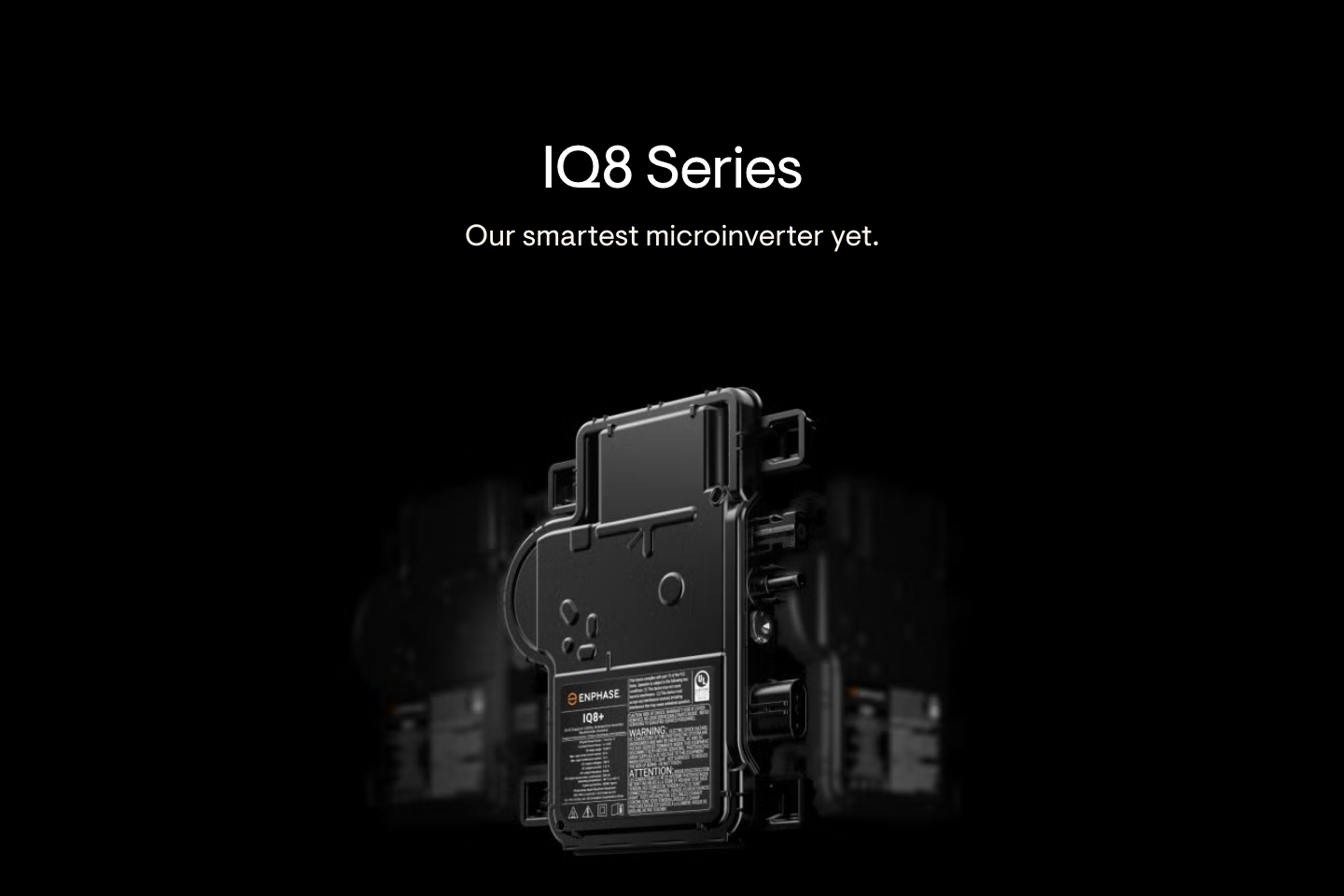
Enphase IQ8 Microinverter
Best fit when a 0.24 kW inverter class, battery-ready planning, and backup requirements like supports Sunlight Backup with IQ System Controller 2; battery-backed backup also requires compatible Enphase IQ Battery and system-control components..
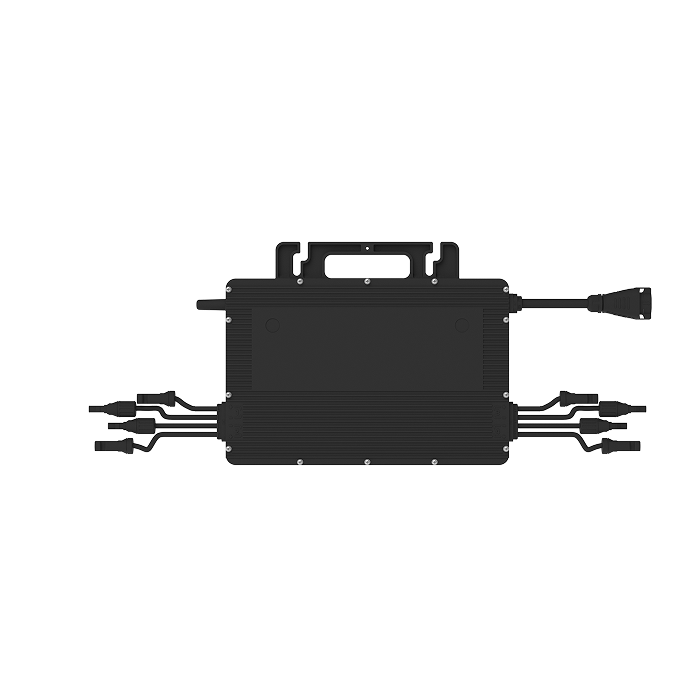
Hoymiles HMS-2000-4T
Best fit when a 1.92 kW inverter class, backup requirements like no model-specific backup-power capability verified in reviewed Hoymiles HMS-2000-4T official sources., and Home Assistant or local monitoring goals.
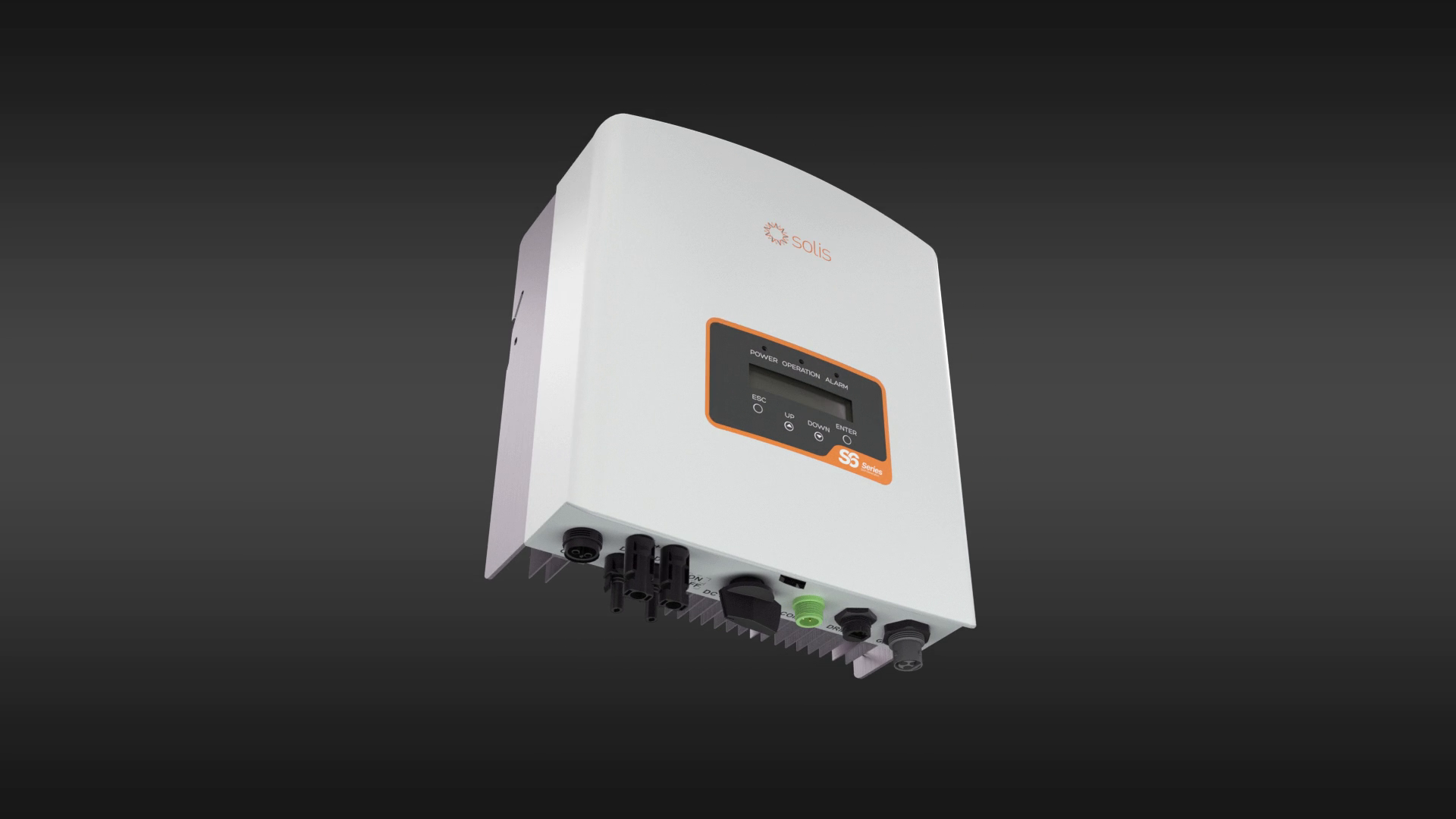
Solis S6-GR1P(0.7-3.6)K-M
Best fit when a 3.6 kW inverter class, backup requirements like no battery or backup output verified; grid-tied string inverter., and Home Assistant or local monitoring goals.
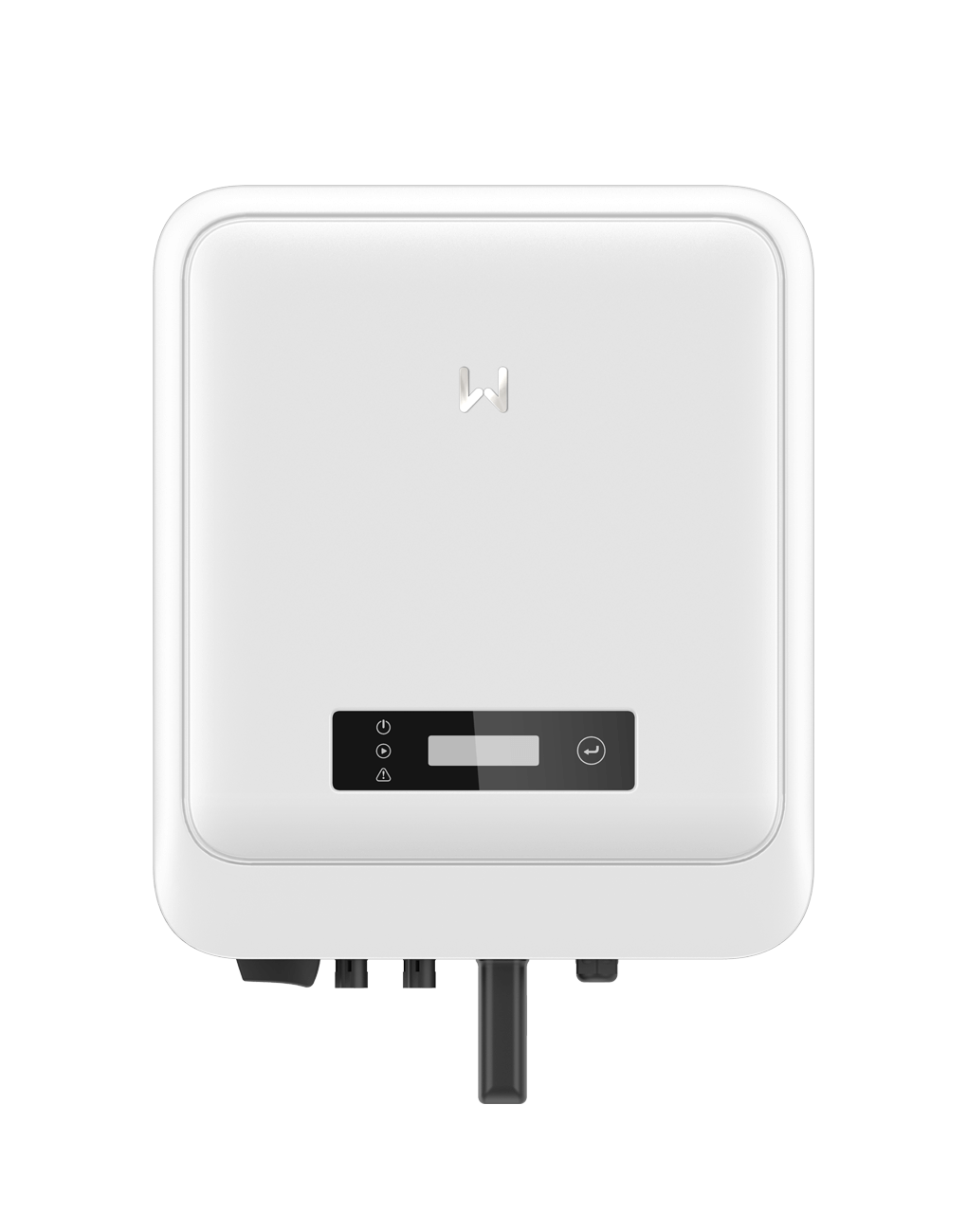
GoodWe DNS G3
Best fit when a 6 kW inverter class and backup requirements like no battery backup output or backup/EPS function documented in the reviewed GoodWe DNS G3 product page or current datasheet; treat as grid-tied PV inverter..
Use this comparison when the choice is no longer just brand, but whether a microinverter layout or a more conventional compact string inverter fits the roof, budget, and monitoring goals better.
At A Glance
Key fit signals before the full table
A quick pass over the most decision-shaping details for each device in this featured comparison.
Enphase IQ8 Microinverter
- Rated power
- 0.24 kW
- Max PV input
- 0.35 kW
- MPPT trackers
- 1
- Battery ready
- Yes
Hoymiles HMS-2000-4T
- Rated power
- 1.92 kW
- Max PV input
- 2.68 kW
- MPPT trackers
- 4
- Battery ready
- No
Solis S6-GR1P(0.7-3.6)K-M
- Rated power
- 3.6 kW
- Max PV input
- 5.4 kW
- MPPT trackers
- 1
- Battery ready
- No
GoodWe DNS G3
- Rated power
- 6 kW
- Max PV input
- 9 kW
- MPPT trackers
- 2
- Battery ready
- No
Before You Decide
Checks that matter before price.
- Match rated power and MPPT layout to the roof, not just the headline inverter size.
- Check whether battery-ready really means compatible with the battery path you want.
- Look at backup behavior early, because it can change wiring and quote complexity.
- Decide whether the vendor app is enough or whether local data access matters later.
| Install fit | ||||
|---|---|---|---|---|
| Phase support | 240 V split-phase (L-L, 180 degrees), 60 Hz for the base IQ8-60 North America model. | Single-phase 240 V split-phase (211-264 V), or 208 V line-to-line (183-228 V) on a three-phase branch. | Single-phase L/N/PE, 220/230 V; current V1.5 manual also documents 208/220/240 V split-phase wiring. | Single-phase residential grid-tied PV inverter; nominal AC output voltage 220 / 230 / 240 V at 50 / 60 Hz. |
| Installation | Roof-mounted module-level microinverter installed beneath one compatible PV module; requires Enphase IQ Cable, with IQ Gateway required for monitoring. | Module-level rooftop PV microinverter installed under or near up to four solar modules. | Permanent vertical wall mounting, maximum +/-5 degrees; IP66 grid-tied inverter installed and wired by qualified personnel. | Wall-mounted indoor/outdoor residential PV inverter installation; IP66 enclosure with natural-convection cooling and plug-and-play AC connector. |
| Measurement | Module-level DC-to-AC PV conversion with one independent panel-level MPPT input. | Four-input module-level PV microinverter with independent MPPT and module-level monitoring. | Single-MPPT grid-tied PV conversion with optional CT or meter input for export control and 24-hour load monitoring. | Single-phase residential grid-tied solar string inverter for PV DC-to-AC conversion with monitoring support. |
| Max current | 1.58 A | 8.7 A | 16 A | Unknown |
| Rated power | 0.24 kW | 1.92 kW | 3.6 kW | 6 kW |
| Inverter fit | ||||
| Max PV input | 0.35 kW | 2.68 kW | 5.4 kW | 9 kW |
| MPPT trackers | 1 | 4 | 1 | 2 |
| Battery ready | Yes | No | No | No |
| Backup support | Supports Sunlight Backup with IQ System Controller 2; battery-backed backup also requires compatible Enphase IQ Battery and system-control components. | No model-specific backup-power capability verified in reviewed Hoymiles HMS-2000-4T official sources. | No battery or backup output verified; grid-tied string inverter. | No battery backup output or backup/EPS function documented in the reviewed GoodWe DNS G3 product page or current datasheet; treat as grid-tied PV inverter. |
| Monitoring | ||||
| Protocol | Enphase App / Enlighten | Hoymiles DTU / Monitoring | RS-485; optional Wi-Fi/GPRS logger; SolisCloud | Wi-Fi / RS485 / Modbus RTU / SunSpec / SEMS Portal |
| Local API | Yes | No | Yes | No |
| Cloud dependency | PV conversion is local. IQ Gateway is required for monitoring; Enphase cloud/app supports setup, monitoring, updates and service. | Core PV conversion is local; remote monitoring uses Hoymiles DTU / monitoring-platform context. | Core conversion, display, RS-485 and CT/meter export control are local. Optional logger and SolisCloud provide remote monitoring. | Optional GoodWe SEMS/app cloud for monitoring; core grid-tied PV conversion is hardware-based. |
| Home Assistant | Yes | Yes | Yes | No |
| Solar fit | ||||
| Solar import/export | Yes | Yes | Yes | Yes |
| Buying context | ||||
| Price range | About $150-$250 per microinverter before installation | About $300-$500 before installation | Installer supplied; hardware price varies by model and region | Unknown |
| Availability | United States and Canada for the base IQ8 North America SKU; Enphase's North America documentation also covers Mexico, but exact SKU, certification and channel availability vary by country. | Global / Europe for HMS-1600/1800/2000-4T family; North America via HMS-1600/1800/2000-4T-NA variant. Local certification, cable set, and distributor availability vary by market. | Global Solis range; exact 14 A or regional 16 A variant, grid approval, availability, and installer supply vary by country. | GoodWe currently lists DNS G3 through global, EMEA, Australia and selected localized catalogs; exact model availability, certification and grid-code approval vary by market. |
| Source check | ||||
| Last verified | Sep 20, 2026 | Sep 23, 2026 | Sep 21, 2026 | Sep 24, 2026 |
| Product page | Official page | Official page | Official page | Official page |
| Documentation | Official docs | Official docs | Official docs | Official docs |
Verdict
Choose Enphase or Hoymiles when module-level electronics make sense, and choose Solis or GoodWe when a smaller string-inverter path is the more practical fit for the install.
FAQ
Common decision questions.
Which solar inverter should I choose?
Choose the option that matches your installation constraints and data path first. For 4 solar inverter options, the full table is most useful after you know whether local data access, cloud convenience, backup behavior, solar visibility, or expansion matters most.
What should I check before comparing prices?
Check installation fit, required accessories, official documentation, monitoring platform support, and any unknown fields in the source-checked table. Price is only useful once those constraints are clear.
Can these devices work with local dashboards or Home Assistant?
Enphase IQ8 Microinverter, Hoymiles HMS-2000-4T, Solis S6-GR1P(0.7-3.6)K-M list Home Assistant support in the catalog. Enphase IQ8 Microinverter, Solis S6-GR1P(0.7-3.6)K-M are marked with local API support. Confirm firmware, region, and integration maturity before treating this as a final compatibility guarantee.
Are unknown fields a reason to avoid a device?
Not always. Unknown means the field was not confirmed from the reviewed source data. Treat it as a question for the installer, reseller, or manufacturer before making a purchase decision.
Does the verdict replace the specification table?
No. The verdict is a practical shortcut. Use the table to confirm the exact constraints that matter for your home, especially installation, monitoring, and support details.