Device Comparison
Emporia Vue 3 3-Phase vs Leviton Whole Home Energy Monitor vs Leviton LWHEM-2 vs Emporia Vue Utility Connect
A utility and panel monitoring comparison for homes choosing between clamp-based visibility and utility-connected energy data paths.
Free Compare
Build your own comparison
Which To Choose
Start with the practical fit, then read the table.
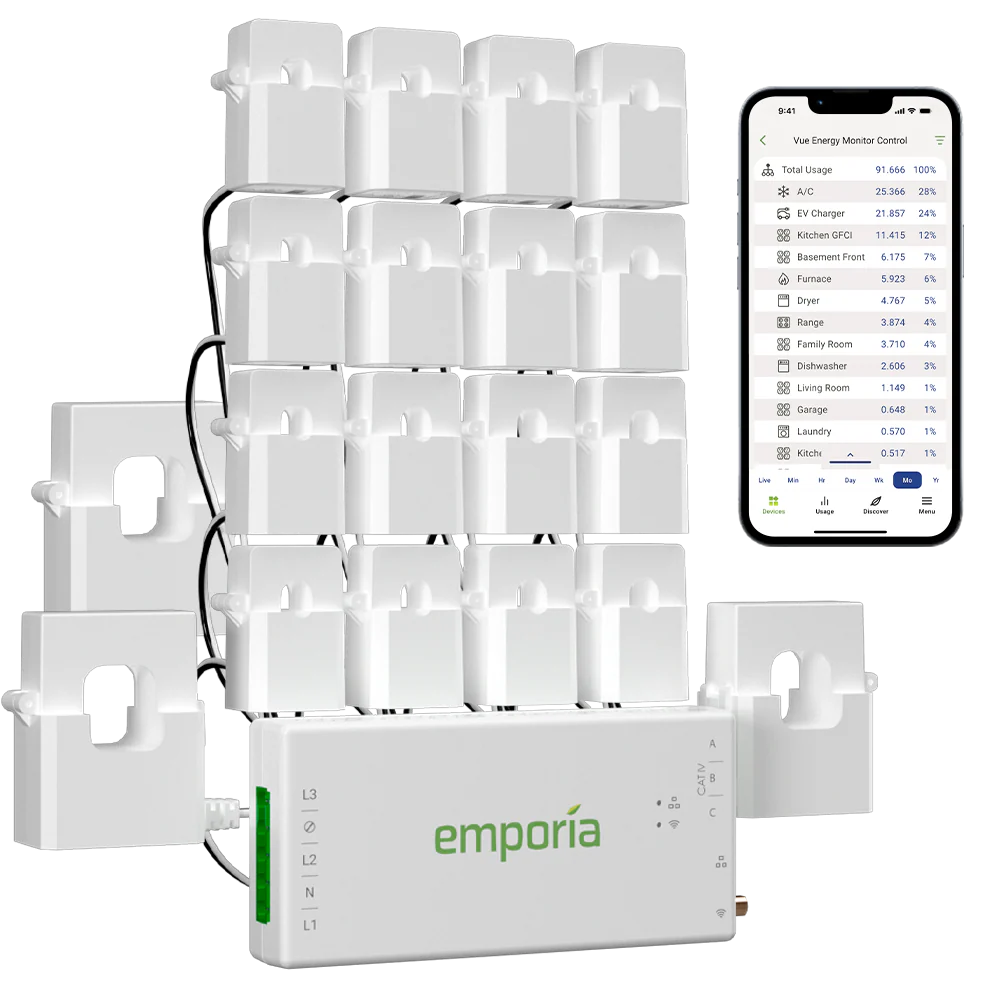
Emporia Vue 3 3-Phase Energy Monitor
Best fit when single-phase, split-phase, or 3-phase 4-wire Wye systems with neutral; not for 3-phase 3-wire delta, solar import/export visibility, and electrical-panel energy monitor with three 200 A main CTs and optional branch-circuit sensors.
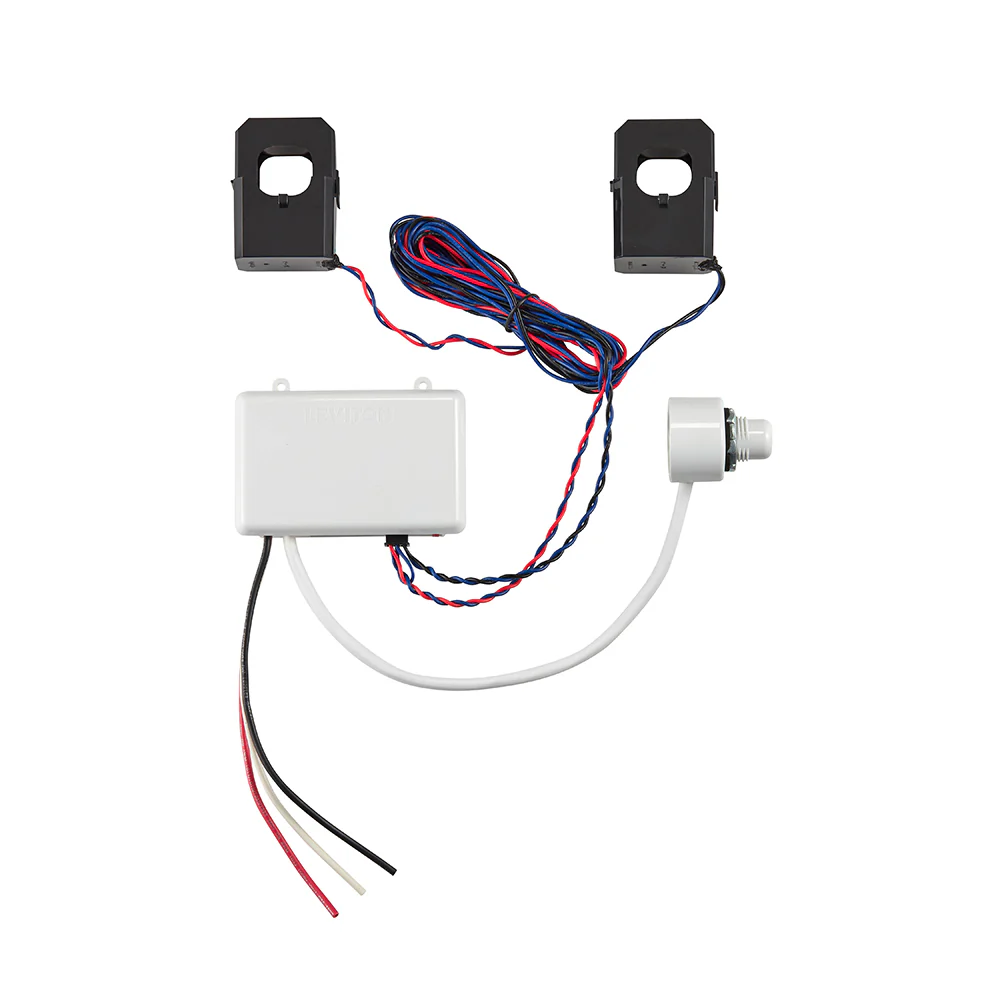
Leviton Whole Home Energy Monitor
Best fit when 120/240 V, 60 Hz North American split-phase service in compatible Leviton Load Centers., solar import/export visibility, and electrician-installed in a compatible Leviton Load Center with a dedicated 2-pole breaker and external split-core CTs..
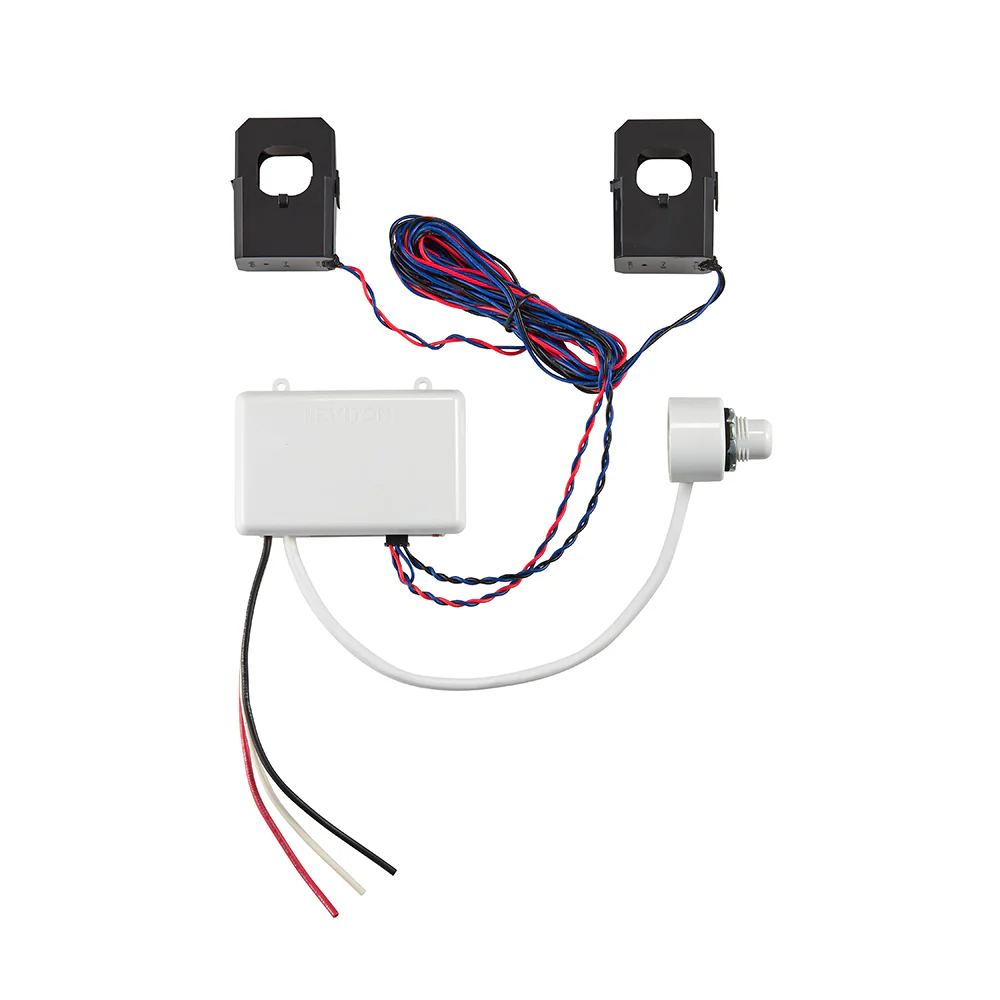
Leviton Whole Home Energy Monitor
Best fit when 120/240 V split-phase residential Leviton Load Center context; 2-pole mains or source monitoring through paired CTs., solar import/export visibility, and Home Assistant integration.
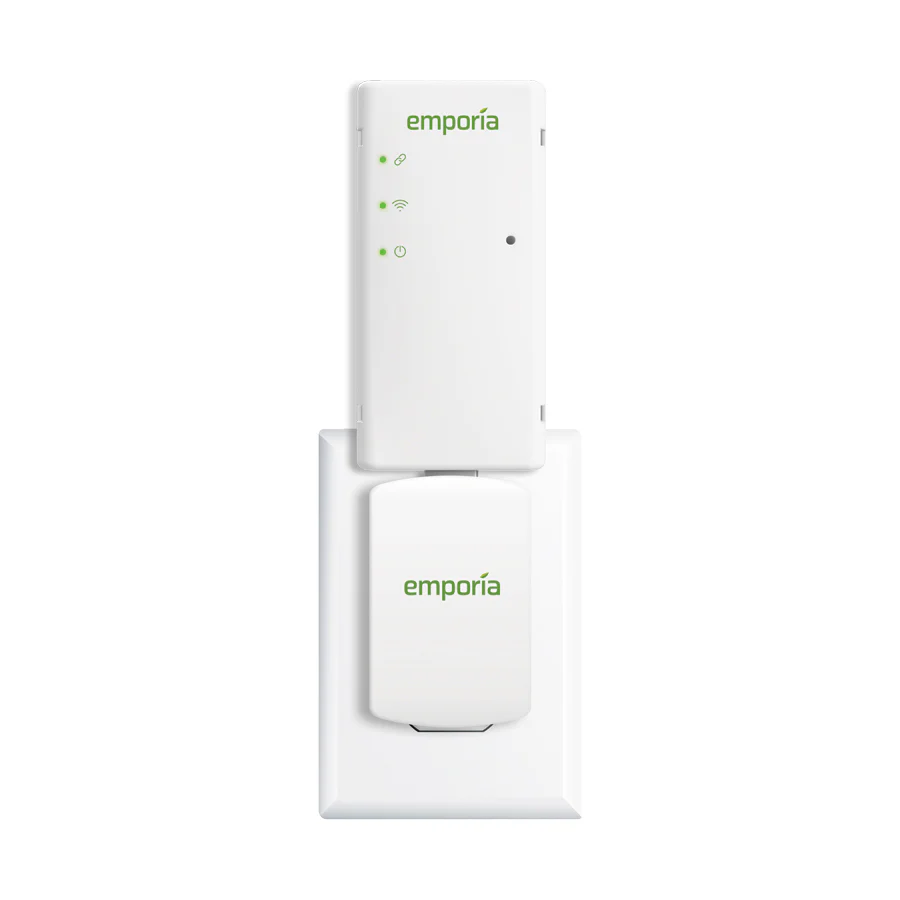
Emporia Vue Utility Connect
Best fit when protocol coverage such as Zigbee Smart Energy Profile 1.1b over the utility smart-meter HAN / AMI link. and utility smart-meter HAN bridge that receives Zigbee Smart Energy data from a supported AMI meter and sends whole-home usage data to the Emporia app/cloud over Wi-Fi..
Use this comparison when the shortlist includes whole-home monitoring options that work very differently in practice, from panel CTs to utility-meter data access.
At A Glance
Key fit signals before the full table
A quick pass over the most decision-shaping details for each device in this featured comparison.
Emporia Vue 3 3-Phase Energy Monitor
- Phase
- Single-phase, split-phase, or 3-phase 4-wire Wye systems with neutral; not for 3-phase 3-wire delta
- Installation
- Electrical-panel energy monitor with three 200 A main CTs and optional branch-circuit sensors
- Measurement
- CT-based whole-home or light-commercial energy monitor with solar and net metering support
- Max current
- 200 A
Leviton Whole Home Energy Monitor
- Phase
- 120/240 V, 60 Hz North American split-phase service in compatible Leviton Load Centers.
- Installation
- Electrician-installed in a compatible Leviton Load Center with a dedicated 2-pole breaker and external split-core CTs.
- Measurement
- CT-based 120/240 V whole-home consumption and production monitoring in a Leviton Load Center.
- Max current
- 250 A
Leviton Whole Home Energy Monitor
- Phase
- 120/240 V split-phase residential Leviton Load Center context; 2-pole mains or source monitoring through paired CTs.
- Installation
- Installed inside a Leviton Load Center by a licensed electrician; powered from a dedicated non-smart 2-pole breaker with LSMMA split-core CTs.
- Measurement
- Split-phase CT whole-home grid and alternate-source monitoring; optional Leviton Smart Breakers add circuit-level data and control.
- Max current
- 200 A
Emporia Vue Utility Connect
- Connectivity
- 2.4 GHz Wi-Fi 802.11 b/g/n to Emporia Cloud plus Zigbee Smart Energy Profile 1.1b / HAN to one supported utility AMI smart meter.
- Protocols
- Zigbee Smart Energy Profile 1.1b over the utility smart-meter HAN / AMI link.
- Role
- Utility smart-meter HAN bridge that receives Zigbee Smart Energy data from a supported AMI meter and sends whole-home usage data to the Emporia app/cloud over Wi-Fi.
- Max devices
- 1
Before You Decide
Checks that matter before price.
- Confirm your supply type first: single-phase, split-phase, or three-phase.
- Decide whether DIN-rail wiring, CT clamps, or utility-meter access fits your switchboard.
- Choose between cloud convenience and local data access before comparing prices.
- For solar homes, make sure import, export, and load readings are measured at the right point.
| Install fit | ||||
|---|---|---|---|---|
| Phase support | Single-phase, split-phase, or 3-phase 4-wire Wye systems with neutral; not for 3-phase 3-wire delta | 120/240 V, 60 Hz North American split-phase service in compatible Leviton Load Centers. | 120/240 V split-phase residential Leviton Load Center context; 2-pole mains or source monitoring through paired CTs. | 2-phase residential service or light commercial 3-phase service, depending on the utility smart meter and HAN program |
| Installation | Electrical-panel energy monitor with three 200 A main CTs and optional branch-circuit sensors | Electrician-installed in a compatible Leviton Load Center with a dedicated 2-pole breaker and external split-core CTs. | Installed inside a Leviton Load Center by a licensed electrician; powered from a dedicated non-smart 2-pole breaker with LSMMA split-core CTs. | Indoor plug-in 120 V outlet gateway near a supported AMI smart meter; setup uses the Emporia app and utility HAN registration. |
| Measurement | CT-based whole-home or light-commercial energy monitor with solar and net metering support | CT-based 120/240 V whole-home consumption and production monitoring in a Leviton Load Center. | Split-phase CT whole-home grid and alternate-source monitoring; optional Leviton Smart Breakers add circuit-level data and control. | Whole-home AMI smart-meter gateway with solar/net-metering visibility and roughly 30-second readings; no circuit-level CT measurement. |
| Max current | 200 A | 250 A | 200 A | Unknown |
| Nominal voltage | Unknown | 120/240 V AC | Unknown | Unknown |
| Meter fit | ||||
| Accuracy class | ±2% compared to utility meter readings; not revenue-grade. | LWHEM CT accuracy: +/-5% from 1-5 A; +/-3% from 5-200 A; not for billing. | Not billing-grade; LWHEM CT accuracy +/-5% from 1-5 A and +/-3% from 5-200 A. | Unknown |
| Current sensing | Three included 200 A main CTs, one per phase; up to sixteen optional/included 50 A branch CTs depending on bundle. | One LSMMA split-core CT pair included; three CT-pair ports support up to three monitored sources. Leviton publishes a 5-250 A LSMMA reading range. | One LSMMA split-core CT pair included; three paired CT inputs total. CT phase and K-to-L orientation must match the monitored source. | No CT sensors; reads whole-home data from a compatible utility AMI smart meter over Zigbee Smart Energy Profile / HAN. |
| Gateway fit | ||||
| Connectivity | Unknown | Unknown | Unknown | 2.4 GHz Wi-Fi 802.11 b/g/n to Emporia Cloud plus Zigbee Smart Energy Profile 1.1b / HAN to one supported utility AMI smart meter. |
| Downstream protocols | Unknown | Unknown | Unknown | Zigbee Smart Energy Profile 1.1b over the utility smart-meter HAN / AMI link. |
| Connected devices | Unknown | Unknown | Unknown | 1 |
| Role | Unknown | Unknown | Unknown | Utility smart-meter HAN bridge that receives Zigbee Smart Energy data from a supported AMI meter and sends whole-home usage data to the Emporia app/cloud over Wi-Fi. |
| Monitoring | ||||
| Protocol | Wi-Fi / Ethernet / Emporia app cloud | Wi-Fi / My Leviton App / Smart Load Center | Wi-Fi / My Leviton app | 2.4 GHz Wi-Fi / Zigbee Smart Energy 1.1b / AMI smart meter HAN |
| Local API | No | No | No | No |
| Cloud dependency | Required; all Vue data flows through Emporia Cloud. No local API or local storage. | Cloud required for My Leviton app, remote monitoring, history and OTA updates; no official local LAN API documented. | My Leviton cloud and internet required for app monitoring, alerts, remote control and updates; no official local API verified. | Required for normal use: setup uses the Emporia app, and readings upload over 2.4 GHz Wi-Fi to Emporia Cloud. No official local API was verified. |
| Home Assistant | No | No | Yes | No |
| Solar fit | ||||
| Solar import/export | Yes | Yes | Yes | Yes |
| Buying context | ||||
| Price range | About USD 209.99 | About $250-$400 | About USD 375 to 400 | Unknown |
| Availability | US official store / North America reference | US, Canada | United States and Canada Leviton Load Center ecosystem; availability depends on Leviton residential/load-center channels and local distributors. | United States only; selected utility Zigbee SEP/HAN programs. Current Emporia sources list different program sets, so verify exact utility and meter eligibility. |
| Source check | ||||
| Last verified | Sep 28, 2026 | Sep 26, 2026 | Oct 4, 2026 | Oct 2, 2026 |
| Product page | Official page | Official page | Official page | Official page |
| Documentation | Official docs | Official docs | Official docs | Official docs |
Verdict
Choose Emporia for app-led visibility and utility-connect convenience, and Leviton when load-center ecosystem fit matters more than a more general retrofit approach.
FAQ
Common decision questions.
Which energy meter should I choose?
Choose the option that matches your installation constraints and data path first. For 4 energy meter options, the full table is most useful after you know whether local data access, cloud convenience, backup behavior, solar visibility, or expansion matters most.
What should I check before comparing prices?
Check installation fit, required accessories, official documentation, monitoring platform support, and any unknown fields in the source-checked table. Price is only useful once those constraints are clear.
Can these devices work with local dashboards or Home Assistant?
Leviton Whole Home Energy Monitor list Home Assistant support in the catalog. Local API support is not currently marked for these devices. Confirm firmware, region, and integration maturity before treating this as a final compatibility guarantee.
Are unknown fields a reason to avoid a device?
Not always. Unknown means the field was not confirmed from the reviewed source data. Treat it as a question for the installer, reseller, or manufacturer before making a purchase decision.
Does the verdict replace the specification table?
No. The verdict is a practical shortcut. Use the table to confirm the exact constraints that matter for your home, especially installation, monitoring, and support details.