
Device Comparison
BYD Battery-Box Premium LVS 16.0 vs GoodWe Lynx Home U vs myenergi libbi vs FranklinWH aPower 2
A battery comparison for buyers balancing modular storage, home energy ecosystem fit, and backup planning.
Free Compare
Build your own comparison
Which To Choose
Start with the practical fit, then read the table.
BYD Battery-Box Premium LVS 16.0
Best fit when about 16 kWh usable storage, backup needs like backup and off-grid capable with a compatible external inverter and system design., and future expansion.
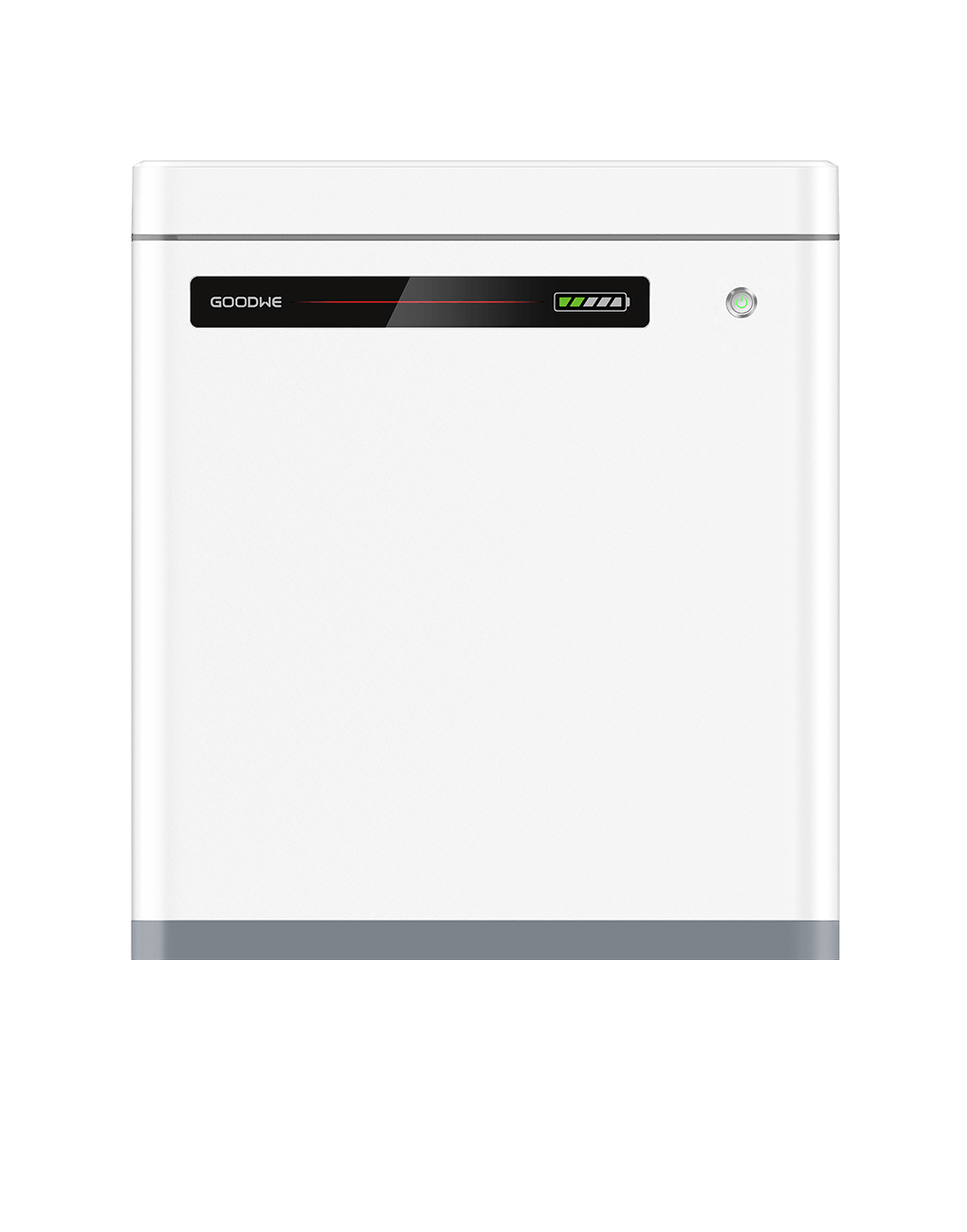
GoodWe Lynx Home U Series
Best fit when about 4.8 kWh usable storage, future expansion, and 10-year warranty coverage.
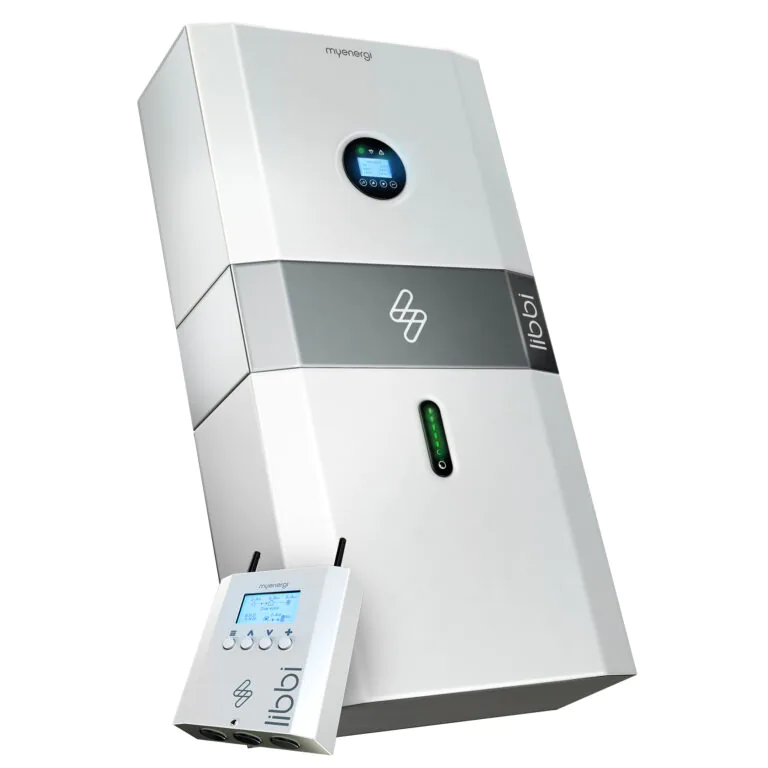
myenergi libbi
Best fit when about 4.6 kWh usable storage, backup needs like optional blackout backup to a dedicated socket or lighting circuit; backup output depends on inverter model and installation design., and future expansion.
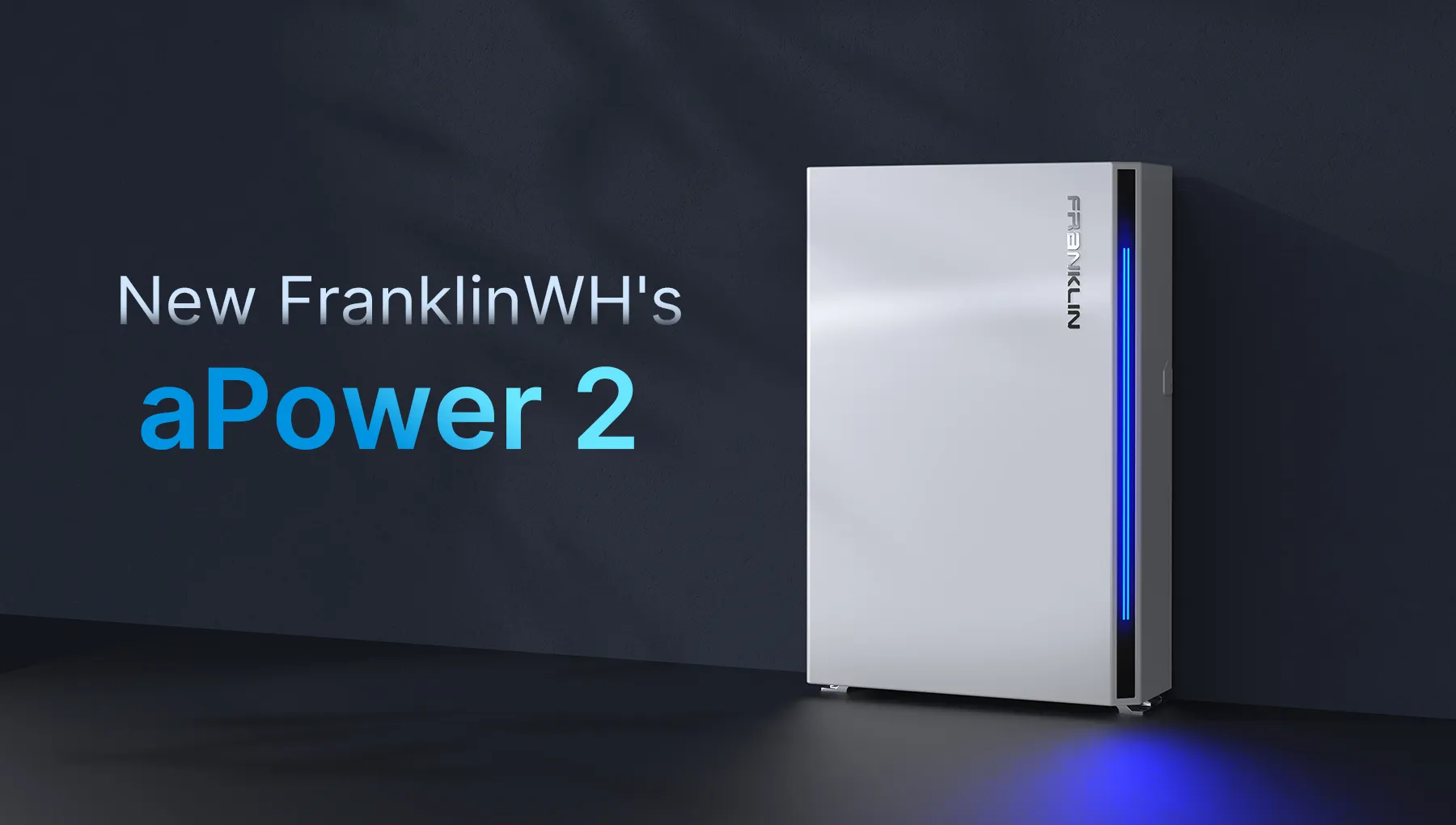
FranklinWH aPower 2
Best fit when about 15 kWh usable storage, backup needs like whole-home backup / Emergency Backup when installed as a compatible FranklinWH system with aGate., and future expansion.
Use this comparison when the shortlist mixes low-voltage and brand-native battery systems and the real question is which home energy path feels most practical over time.
At A Glance
Key fit signals before the full table
A quick pass over the most decision-shaping details for each device in this featured comparison.
BYD Battery-Box Premium LVS 16.0
- Usable capacity
- 16 kWh
- Nominal capacity
- 16 kWh
- Chemistry
- Lithium iron phosphate (LFP, cobalt-free)
- Charge/discharge
- 12.8 kW
GoodWe Lynx Home U Series
- Usable capacity
- 4.8 kWh
- Nominal capacity
- 5.4 kWh
- Chemistry
- Lithium iron phosphate (LiFePO4)
- Charge/discharge
- 2.88 kW
myenergi libbi
- Usable capacity
- 4.6 kWh
- Nominal capacity
- 5.12 kWh
- Chemistry
- LFP (LiFePO4)
- Charge/discharge
- 5 kW
FranklinWH aPower 2
- Usable capacity
- 15 kWh
- Nominal capacity
- 15 kWh
- Chemistry
- Lithium iron phosphate (LFP)
- Charge/discharge
- 10 kW
Before You Decide
Checks that matter before price.
- Separate bill-shifting size from backup size before comparing models.
- Check usable capacity, discharge power, and expansion path together.
- Confirm whether the battery fits your existing inverter or needs a new system stack.
- Compare warranty terms and installer support, not only kWh per dollar.
| Install fit | ||||
|---|---|---|---|---|
| Phase support | Depends on paired inverter; BYD LVS supports 1- and 3-phase inverter systems. | Depends on the compatible inverter and home electrical system. | Single-phase 230 V systems in the reviewed core English source set | Residential whole-home backup system context via FranklinWH system components |
| Installation | IP55 indoor or outdoor floor-standing modular low-voltage battery tower for use with a compatible external inverter. | IP65 low-voltage battery modules for indoor or outdoor wall-mounted or floor/ground-mounted residential installation. | Installer-installed modular home battery; current range includes single-phase and separate three-phase systems. | Indoor / outdoor wall- or floor-mounted AC-coupled battery; Type 3R enclosure with IP67 battery pack and inverter rating. |
| Measurement | Battery storage with CAN communication to a compatible external inverter; 16 kWh is the documented DC usable energy, not a site energy-meter measurement. | Low-voltage DC battery storage with an integrated BMS in each pack; published usable energy is based on 90% depth of discharge and can vary by inverter. | Modular LFP home battery storage and hybrid-inverter energy system for solar self-consumption, grid charging, and optional dedicated-circuit backup. | AC-coupled residential battery storage for solar, grid, generator, EV, self-consumption, time-of-use, and backup operation. |
| Nominal voltage | 51.2 V | Unknown | Unknown | Unknown |
| Inverter fit | ||||
| Backup support | Backup and off-grid capable with a compatible external inverter and system design. | Unknown | Optional blackout backup to a dedicated socket or lighting circuit; backup output depends on inverter model and installation design. | Whole-home backup / Emergency Backup when installed as a compatible FranklinWH system with aGate. |
| Battery fit | ||||
| Nominal capacity | 16 kWh | 5.4 kWh | 5.12 kWh | 15 kWh |
| Usable capacity | 16 kWh | 4.8 kWh | 4.6 kWh | 15 kWh |
| Chemistry | Lithium iron phosphate (LFP, cobalt-free) | Lithium iron phosphate (LiFePO4) | LFP (LiFePO4) | Lithium iron phosphate (LFP) |
| Charge/discharge power | 12.8 kW | 2.88 kW | 5 kW | 10 kW |
| Warranty | 10 years | 10 years | 10 years | 15 years |
| Expansion | Starts as a 4-module 16 kWh tower and can scale up to 16 parallel LVS 16.0 towers for 256 kWh total capacity | 5.4-32.4 kWh nominal / 4.8-28.8 kWh usable | Single-phase: 1-4 modules / 20.4 kWh nominal. Three-phase: modules added in pairs, up to 8 modules / 40 kWh marketed capacity. | 15 kWh per unit; up to 15 units / 225 kWh per aGate |
| Monitoring | ||||
| Protocol | CAN | CAN | Ethernet / Wi-Fi / RS485 / Proprietary 868/915 MHz / myenergi app | FranklinWH App / aGate |
| Local API | Unknown | No | No | No |
| Cloud dependency | No native BYD cloud is required for battery operation; monitoring and control depend on the compatible external inverter/system. | No cloud required for battery operation; the BMS communicates locally with a compatible inverter over CAN. Remote monitoring and service features are optional. | myenergi app/cloud is used for remote monitoring and control; core operation depends on the installed libbi controller/inverter system. | FranklinWH App is the documented user interface; aPower 2 operates within the FranklinWH aGate system rather than as a standalone local-API battery. |
| Home Assistant | Unknown | No | No | No |
| Solar fit | ||||
| Solar import/export | Unknown | Yes | Yes | Yes |
| Buying context | ||||
| Price range | Unknown | Installer-quoted | Unknown | Unknown |
| Availability | Global BYD Battery-Box coverage; BYD states 1M+ systems in 100+ countries, with regional service, warranty, certification and inverter compatibility varying by market. | North America, Europe, Latin America and selected Asia-Pacific markets; exact model revision, certification, inverter compatibility and sales availability vary by country. | UK, Ireland, Netherlands, Belgium, Luxembourg, Germany, Poland, France and Australia through regional myenergi sales or installer routes; configuration varies by country. | United States and Canada for SKU APR-10K15V2-US; other FranklinWH regional products and variants must be checked separately. |
| Source check | ||||
| Last verified | Sep 5, 2026 | Aug 25, 2026 | Sep 30, 2026 | Sep 24, 2026 |
| Product page | Official page | Official page | Official page | Official page |
| Documentation | Official docs | Official docs | Official docs | Official docs |
Verdict
Choose based on inverter compatibility, backup goals, and whether you want the battery to sit inside a broader home energy ecosystem such as myenergi, GoodWe, or FranklinWH.
FAQ
Common decision questions.
Which battery storage should I choose?
Choose the option that matches your installation constraints and data path first. For 4 battery storage options, the full table is most useful after you know whether local data access, cloud convenience, backup behavior, solar visibility, or expansion matters most.
What should I check before comparing prices?
Check installation fit, required accessories, official documentation, monitoring platform support, and any unknown fields in the source-checked table. Price is only useful once those constraints are clear.
Are unknown fields a reason to avoid a device?
Not always. Unknown means the field was not confirmed from the reviewed source data. Treat it as a question for the installer, reseller, or manufacturer before making a purchase decision.
Does the verdict replace the specification table?
No. The verdict is a practical shortcut. Use the table to confirm the exact constraints that matter for your home, especially installation, monitoring, and support details.