Device Comparison
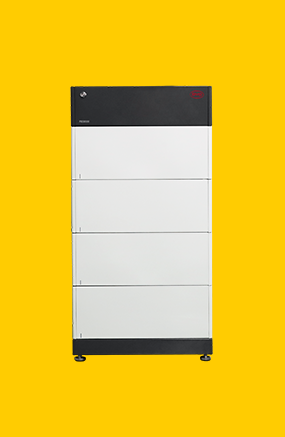
BYD Battery-Box Premium HVL US vs HVS/HVM vs LVS 16.0
A BYD family comparison for choosing between US-focused high-voltage, mainstream high-voltage, and low-voltage Battery-Box platforms.
Free Compare
Build your own comparison

Which To Choose
Start with the practical fit, then read the table.
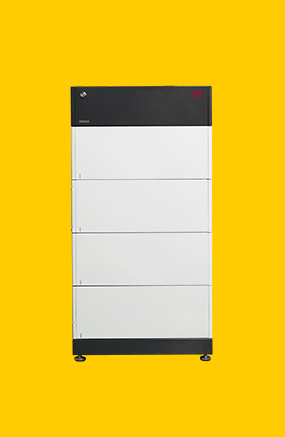
BYD Battery-Box Premium HVL US
Best fit when backup needs like backup and off-grid capable with a compatible high-voltage battery inverter and system design., future expansion, and 10-year warranty coverage.
BYD Battery-Box Premium HVS/HVM
Best fit when backup needs like backup and off-grid capable with compatible inverter, future expansion, and 10-year warranty coverage.
BYD Battery-Box Premium LVS 16.0
Best fit when about 16 kWh usable storage, backup needs like backup and off-grid capable with a compatible external inverter and system design., and future expansion.
Use this comparison when you already like BYD and need to decide which Battery-Box family best matches the inverter type, regional market, and expansion path.
At A Glance
Key fit signals before the full table
A quick pass over the most decision-shaping details for each device in this featured comparison.
BYD Battery-Box Premium HVL US
- Chemistry
- Lithium iron phosphate (LFP), cobalt-free
- Expansion
- 12-32 kWh usable per HVL tower; up to 96 kWh with 3 identical towers in parallel, subject to compatible inverter/system design
- Warranty
- 10 years
- Price
- Installer supplied; typically quoted as part of a battery system
BYD Battery-Box Premium HVS/HVM
- Chemistry
- LFP
- Expansion
- HVS 5.12-12.8 kWh usable per tower, up to 38.4 kWh. HVM 8.28-22.08 kWh usable per tower; BYD product page rounds max parallel HVM capacity to 65.0 kWh.
- Warranty
- 10 years
- Price
- Installer supplied; typically quoted as part of a battery system
BYD Battery-Box Premium LVS 16.0
- Usable capacity
- 16 kWh
- Nominal capacity
- 16 kWh
- Chemistry
- Lithium iron phosphate (LFP, cobalt-free)
- Charge/discharge
- 12.8 kW
Before You Decide
Checks that matter before price.
- Separate bill-shifting size from backup size before comparing models.
- Check usable capacity, discharge power, and expansion path together.
- Confirm whether the battery fits your existing inverter or needs a new system stack.
- Compare warranty terms and installer support, not only kWh per dollar.
| Install fit | |||
|---|---|---|---|
| Phase support | Depends on paired inverter; used in North American residential battery systems | Depends on paired inverter; common with 1-phase and 3-phase hybrid systems | Depends on paired inverter; BYD LVS supports 1- and 3-phase inverter systems. |
| Installation | Wall-mounted modular high-voltage battery tower | Floor-standing modular high-voltage battery tower | IP55 indoor or outdoor floor-standing modular low-voltage battery tower for use with a compatible external inverter. |
| Measurement | Battery storage telemetry through compatible inverter/BMS, not an inline energy meter | Battery storage telemetry through compatible inverter/BMS, not an inline energy meter | Battery storage with CAN communication to a compatible external inverter; 16 kWh is the documented DC usable energy, not a site energy-meter measurement. |
| Max current | 50 A | 50 A | Unknown |
| Nominal voltage | Unknown | Unknown | 51.2 V |
| Inverter fit | |||
| Backup support | Backup and off-grid capable with a compatible high-voltage battery inverter and system design. | Backup and off-grid capable with compatible inverter | Backup and off-grid capable with a compatible external inverter and system design. |
| Battery fit | |||
| Nominal capacity | Unknown | Unknown | 16 kWh |
| Usable capacity | Unknown | Unknown | 16 kWh |
| Chemistry | Lithium iron phosphate (LFP), cobalt-free | LFP | Lithium iron phosphate (LFP, cobalt-free) |
| Charge/discharge power | Unknown | Unknown | 12.8 kW |
| Warranty | 10 years | 10 years | 10 years |
| Expansion | 12-32 kWh usable per HVL tower; up to 96 kWh with 3 identical towers in parallel, subject to compatible inverter/system design | HVS 5.12-12.8 kWh usable per tower, up to 38.4 kWh. HVM 8.28-22.08 kWh usable per tower; BYD product page rounds max parallel HVM capacity to 65.0 kWh. | Starts as a 4-module 16 kWh tower and can scale up to 16 parallel LVS 16.0 towers for 256 kWh total capacity |
| Monitoring | |||
| Protocol | CAN / RS485 | CAN / RS485 | CAN |
| Local API | No | No | Unknown |
| Cloud dependency | No standalone BYD cloud path found; battery communication is CAN / RS485 through a compatible inverter and BMS. | Depends on paired inverter monitoring platform; battery itself is not a homeowner local-API device. | No native BYD cloud is required for battery operation; monitoring and control depend on the compatible external inverter/system. |
| Home Assistant | No | No | Unknown |
| Solar fit | |||
| Solar import/export | Yes | Yes | Unknown |
| Buying context | |||
| Price range | Installer supplied; typically quoted as part of a battery system | Installer supplied; typically quoted as part of a battery system | Unknown |
| Availability | United States, Mexico, and Canada for the HVL/HVM-US warranty context; broader BYD Battery-Box availability varies by region and certified inverter list. | EU, UK, AU, Global | Global BYD Battery-Box coverage; BYD states 1M+ systems in 100+ countries, with regional service, warranty, certification and inverter compatibility varying by market. |
| Source check | |||
| Last verified | Jun 15, 2026 | Jul 9, 2026 | Sep 5, 2026 |
| Product page | Official page | Official page | Official page |
| Documentation | Official docs | Official docs | Official docs |
Verdict
Choose HVL US for BYD projects centered on US high-voltage compatibility, HVS/HVM for mainstream high-voltage hybrid installs, and LVS 16.0 when a low-voltage external-inverter path is the better fit.
FAQ
Common decision questions.
Which battery storage should I choose?
Choose the option that matches your installation constraints and data path first. For 3 battery storage options, the full table is most useful after you know whether local data access, cloud convenience, backup behavior, solar visibility, or expansion matters most.
What should I check before comparing prices?
Check installation fit, required accessories, official documentation, monitoring platform support, and any unknown fields in the source-checked table. Price is only useful once those constraints are clear.
Are unknown fields a reason to avoid a device?
Not always. Unknown means the field was not confirmed from the reviewed source data. Treat it as a question for the installer, reseller, or manufacturer before making a purchase decision.
Does the verdict replace the specification table?
No. The verdict is a practical shortcut. Use the table to confirm the exact constraints that matter for your home, especially installation, monitoring, and support details.